Play store


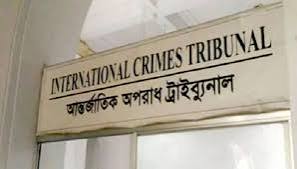
The International Crimes Tribunal (ICT) has so far sentenced at least 22 people to death in seven cases involving crimes against humanity committed during Bangladesh’s July-August 2024 mass uprising, following Tuesday’s verdict against seven senior leaders of the Awami League and its affiliated organisations.
The condemned convicts included former prime minister Sheikh Hasina and former home minister Asaduzzaman Kamal.
The latest ruling marks a significant development in the tribunal’s ongoing efforts to hold those accused of involvement in the crackdown accountable. The seven latest convicts include Awami League General Secretary Obaidul Quader, who was sentenced to death along with six other senior leaders.
A three-member ICT-2 bench headed by Justice Md Nazrul Islam Chowdhury delivered the verdict on Tuesday.
The other six are Awami League Joint General Secretary AFM Bahauddin Nasim, former state minister for information and broadcasting Mohammad Ali Arafat, Jubo League President Sheikh Fazle Shams Parash, General Secretary Mainul Hossain Khan Nikhil, and banned Chhatra League President Saddam Hossain and General Secretary Wali Asif Enan.
All seven were tried in absentia, as they remain fugitives.
The prosecution accused the seven of being involved in a widespread and systematic campaign of violence against protesters between July 1 and August 5, 2024.
According to the prosecution, more than 1,400 people were killed and over 25,000 injured during the crackdown. The accused faced charges including ordering, instigating and conspiring to commit crimes against humanity, as well as failing to prevent such crimes.
The trial in the Quader case began on February 17, 2026, after the tribunal framed charges on January 22. The prosecution presented 29 witnesses, including the investigation officer.
The tribunal completed recording evidence on August 2 and heard closing arguments before keeping the case for judgment on August 17.
The latest verdict is the seventh judgment delivered by the reconstituted ICT in cases arising from the July Uprising.
Before Tuesday’s ruling, six cases had resulted in convictions of 61 accused, with 15 receiving the death penalty. Among those sentenced to death were former prime minister Sheikh Hasina and former home minister Asaduzzaman Khan.
Of those 15 convicts, 11 were tried in absentia, while four were in custody.
Tuesday’s verdict adds seven more death sentences, taking the total number of people sentenced to death in July Uprising-related cases to at least 22.
The figures underscore the scale of the tribunal’s ongoing accountability process, which has expanded beyond individual killings to alleged crimes committed as part of a broader crackdown.
The ICT proceedings began as part of a wider effort to investigate and prosecute alleged crimes against humanity committed during the student-led uprising that ultimately brought down the Awami League government in August 2024.
The tribunal is continuing to hear cases involving alleged killings, torture, abductions and other serious violations during the uprising. By August, around 80 cases involving crimes against humanity had been filed, with hundreds of people accused, according to tribunal-related figures.
The accused include political leaders, members of security forces and others alleged to have participated in, ordered or facilitated the crackdown.
With seven judgments now delivered and many more cases pending, the ICT has become the principal judicial forum for the accountability process surrounding the July-August violence.
Tuesday’s verdict against Obaidul Quader and six other senior political figures therefore represents not only another set of convictions, but also a major milestone in the tribunal’s expanding July Uprising case docket.