Play store

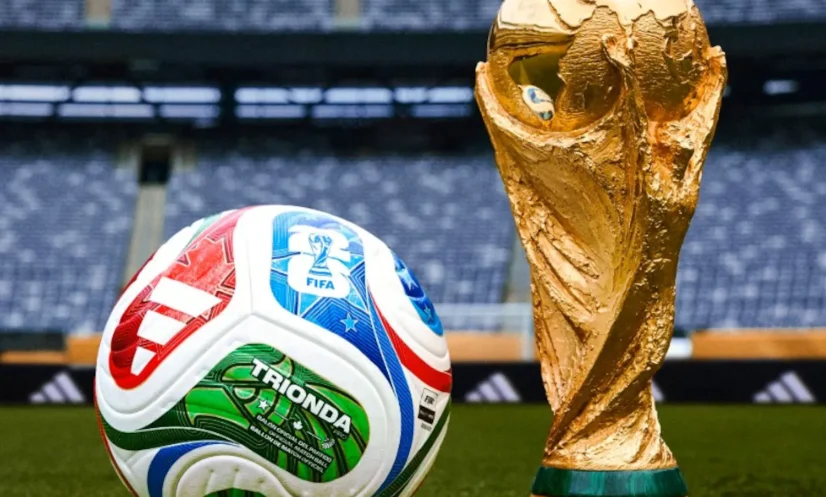
FIFA’s expanded 48-team World Cup, featuring 104 matches over six weeks, generated more than $9 billion in commercial revenue, making the 2026 edition the most financially successful tournament in the history of the competition.
FIFA also confirmed that every one of the 48 participating nations received a guaranteed $12.5 million, comprising a $10 million group-stage participation fee and a $2.5 million preparation subsidy aimed at helping smaller football associations meet travel and logistical costs.
According to FIFA, the tournament operated on a budget of $3.76 billion, resulting in an unprecedented financial surplus driven by record broadcasting rights, sponsorship deals, ticket sales and commercial activities.
Spain will return home with a record $50 million in prize money after defeating Argentina 1-0 after extra time in the FIFA World Cup final at New York New Jersey Stadium, capping the most lucrative tournament in the competition’s history.
The victory earned Spain the biggest winners’ payout ever awarded at a FIFA World Cup, while runners-up Argentina received $33 million. England, who finished third, took home $29 million, while fourth-placed France earned $27 million.
FIFA President Gianni Infantino’s decision to expand the tournament initially drew criticism over scheduling and travel demands. However, the new format significantly increased broadcasting opportunities, with television rights sold across 175 territories worldwide.
The tournament also introduced several commercial innovations, including a Super Bowl-style halftime show during the final, creating new advertising and sponsorship opportunities.
Ticket demand reached record levels throughout the tournament, particularly for the final, where average resale prices reportedly exceeded $6,000, reflecting the strong global interest in the event.
The record-breaking prize fund of $871 million was introduced ahead of the tournament following calls from several football federations for greater financial support to offset the increased costs associated with the expanded competition.
With both record revenues and unprecedented prize money, the tournament marked a new commercial milestone for FIFA while rewarding participating nations with the highest financial returns in World Cup history.