Play store

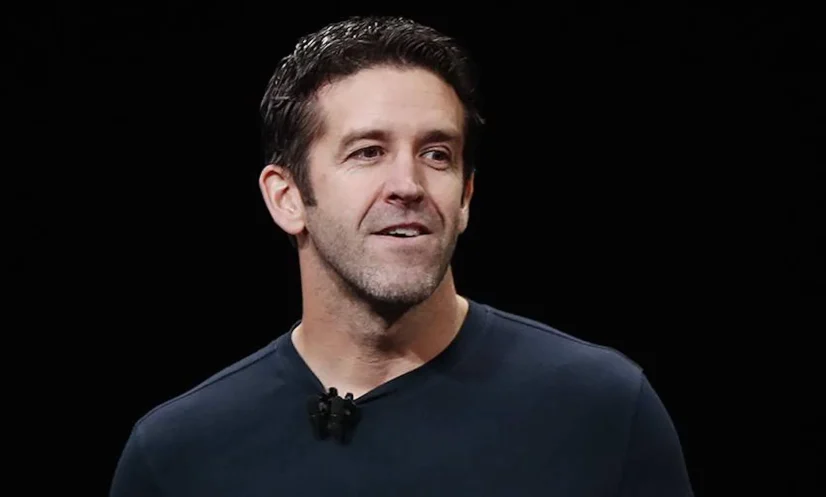
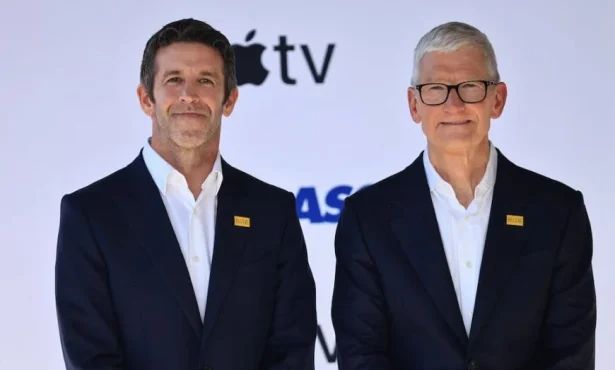
John Ternus to take over as Apple’s CEO on September 1, stepping into the role at a time when the company’s biggest questions have less to do with the iPhone’s immediate future and more with what comes after it.
The 51-year-old engineer has spent a quarter of a century at Apple, rising from Mac hardware work to lead engineering across some of its most important product lines. He now inherits a company with enormous financial strength and a vast product ecosystem, but also one facing a difficult transition: artificial intelligence has moved to the centre of the technology industry, while Apple’s own progress has been uneven.
Ternus is not starting from scratch. As Apple’s hardware chief, he has already been closely involved in products expected to shape the company’s next phase, including its first foldable iPhone and a new smart display. Other projects in development include camera-equipped AirPods, smart glasses and several new home devices.
Yet becoming CEO will demand a broader skill set than designing and shipping hardware. According to Bloomber’s Mark Gurman, Ternus will have to manage finance, regulation, supply chains, talent and Apple’s sprawling executive team, areas in which he has less experience.
Several senior executives, including COO Sabih Khan, CFO Kevan Parekh and services chief Eddy Cue, are expected to play increasingly important roles.
AI will be his defining test
If there is one issue likely to dominate Ternus’ early years, it is Apple’s position in AI.
Apple entered the generative AI race after the launch of ChatGPT in 2022, but its first major effort, Apple Intelligence, failed to make the impact the company had hoped for.
The company subsequently changed its AI leadership and turned to Google’s Gemini technology to help rebuild the models behind Siri. Those decisions have also contributed to departures from Apple’s AI teams.
The next version of Siri therefore carries unusual weight. Apple plans a broader rollout of its AI-powered assistant in September, with ambitions to make it competitive with services such as ChatGPT.
The company is also considering ways to monetise the technology, although that will depend first on convincing customers and developers that Siri is genuinely useful.
Ternus is also looking beyond AI as a standalone feature. He has backed the use of AI inside Apple’s own product-development process, including tools intended to improve testing, reliability and the speed at which engineers solve problems.
That could prove important because several of Apple’s upcoming devices depend heavily on software intelligence. The company has repeatedly delayed some of its AI-enabled hardware while its software capabilities caught up.