


 Play store

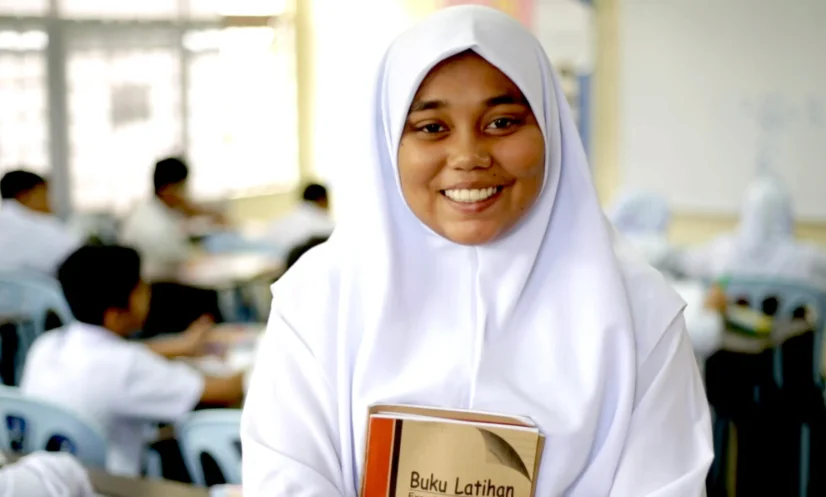
At least nine schools serving Rohingya refugee children across Malaysia have shut down following a surge in online hate speech and misinformation targeting the community, according to a Reuters investigation. Rights groups warn that the escalating hostility has fueled harassment, prompted tougher scrutiny by authorities, and raised concerns over the role of social media platforms in spreading anti-refugee sentiment.
The closures come after weeks of inflammatory content circulated on Meta-owned platforms and TikTok, intensifying public hostility toward the Rohingya, a Muslim minority that fled persecution in neighboring Myanmar.
Among those affected is 12-year-old Nur, who stopped attending school in June after two men allegedly threatened to assault her on her way to class.
“Why do you want to go to school? Do you want to take over our country?” the men reportedly asked, according to Nur, whose family withheld her full name out of fear of reprisals.
Rights groups and educators say Nur’s experience reflects a growing pattern of intimidation that has left many Rohingya children too frightened to leave their homes.
“Children are so scared that they’re afraid to leave the house,” said Sharifah Shakirah, a Rohingya community activist raised in Malaysia. “You’re not just harassing a child for a day or two, you’re creating a lasting trauma.”
Malaysia hosts around 120,000 Rohingya registered with the United Nations refugee agency but does not officially recognize them as refugees, instead classifying them as undocumented migrants.
Public sympathy toward the Rohingya has declined in recent years. During the COVID-19 pandemic, refugees were accused by some of spreading the virus, disregarding local customs and competing with Malaysians for jobs. Officials say public frustration has continued to grow.
Deputy Foreign Minister Lukanisman Awang Sauni told Parliament last week that many Malaysians “have begun feeling burdened by issues arising from managing the Rohingya community.”
The latest wave of online hostility intensified in May after hygiene concerns linked to the Muslim ritual of cattle slaughter by one Rohingya group circulated widely on social media.
A petition urging the government to “remove” Rohingya refugees attracted nearly 500,000 signatures before it was removed in June following objections from human rights organizations.
Reuters reviewed social media posts that included calls for violence against Rohingya refugees, including children. One discussion thread on Meta’s Threads platform was titled “Lempang Rohingya,” meaning “Slap Rohingya” in Malay. Some online influencers also encouraged followers to film Rohingya communities and report their locations to authorities.
The free speech advocacy group Article 19 said the online campaign has intensified investigations, raids and school closures affecting Rohingya communities.
Home Minister Saifuddin Nasution Ismail said in June that the government could not arbitrarily deport refugees and would seek to balance national security concerns with humanitarian obligations. However, he provided no details on specific measures.
The Home Affairs Ministry did not respond to Reuters’ request for comment on the school closures or the online hate campaign. Rights advocates have urged authorities and social media companies to act swiftly to curb online incitement and protect vulnerable refugee children from further intimidation.