


 Play store

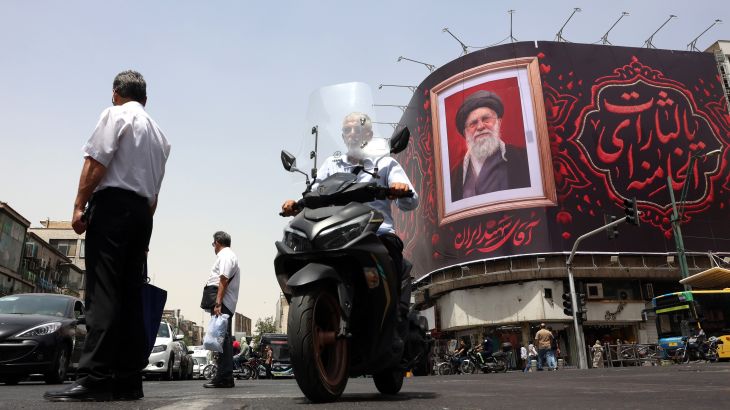
Iran on Friday accused the United States of undermining regional peace by backing Israel’s military campaign against the Islamic Republic, as Tehran prepared for the state funeral of former Supreme Leader Ayatollah Ali Khamenei, with authorities expecting more than 20 million mourners to attend.
Foreign Ministry spokesman Esmaeil Baghaei said Washington had shown “complete contempt for genuine peace and security in West Asia” through its military and political support for Israel during the conflict that killed Khamenei.
Baghaei said the United States had abandoned diplomacy in favour of military action and warned neighbouring countries to draw “clear lessons” from what he described as American interference in the region. He reiterated Tehran’s long-standing position that regional security should be maintained by countries in the region without the presence of foreign military forces.
The funeral, scheduled for Saturday in Tehran, comes months after Khamenei was killed in the opening wave of US-Israeli air strikes on February 28, an attack that triggered the ongoing regional conflict.
His coffin arrived on Thursday evening at a ceremony site near the Imam Khomeini Hussainiya mosque in southern Tehran, where senior government and military officials gathered to pay their respects.
Among those present was Ahmad Vahidi, the caretaker commander of the Islamic Revolutionary Guard Corps (IRGC), making his first public appearance since the war began.
Iran’s current Supreme Leader, Mojtaba Khamenei, who succeeded his father following his death, is not expected to attend the funeral because of security concerns after reported assassination threats from Israeli Defence Minister Israel Katz. The threats have further escalated tensions between Iran and Israel.
Ebrahim Rezaei, spokesman for the Iranian parliament’s National Security Commission, said the threats should prompt Tehran to reconsider its nuclear policy.
He argued that the Israeli statements provided a “compelling reason” to review Article Eight of the US-Iran Memorandum of Understanding, under which Iran had pledged not to develop nuclear weapons.
Iran’s ambassador to the United Nations has submitted a formal protest to the UN Security Council over the assassination threats. Despite the sharp rhetoric, diplomatic contacts have continued.
Qatar said indirect technical talks between US and Iranian officials in Doha had made “positive progress” toward implementing a broader ceasefire agreement reached last month.
However, tensions remain high in the Gulf. Iran’s military recently warned commercial vessels using the Strait of Hormuz to follow designated routes or face a “forceful response,” underscoring the fragile security situation.
Former US-Iran negotiator Alan Eyre said Washington should accelerate negotiations after the funeral to preserve diplomatic momentum.
He said reopening the Strait of Hormuz, a vital route for global oil shipments, remains a key US objective, while efforts should also focus on reducing tensions in Lebanon. Eyre cautioned that resolving the nuclear dispute would likely require a much longer negotiating process. The broader regional conflict continues to inflict heavy casualties.
According to the latest figures, Israeli military operations in Lebanon since March have killed at least 4,298 people and injured more than 12,000.
In Gaza, the reported Palestinian death toll has reached 73,074, with 173,537 people wounded since the war intensified.
As Tehran prepares for one of the largest funerals in its history, Iranian leaders have maintained that lasting peace in the Middle East can only be achieved by ending foreign military intervention and respecting the sovereignty of regional states. Source: Al Jazeera