Play store

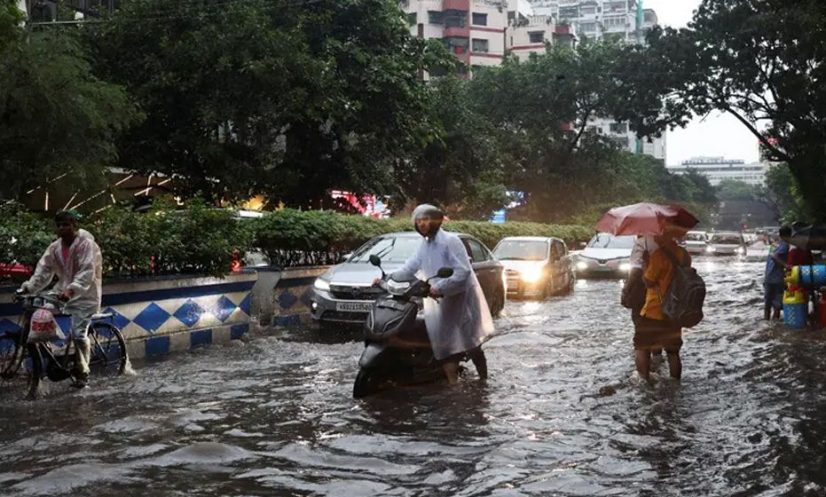
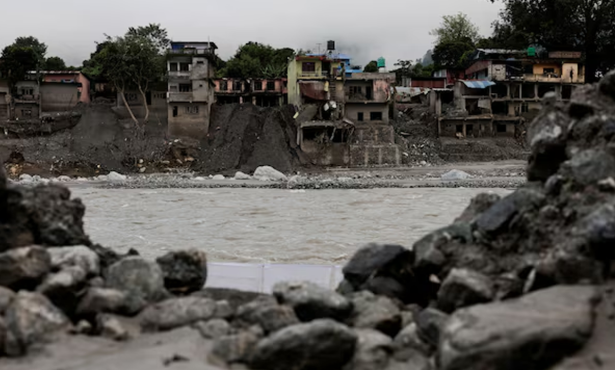
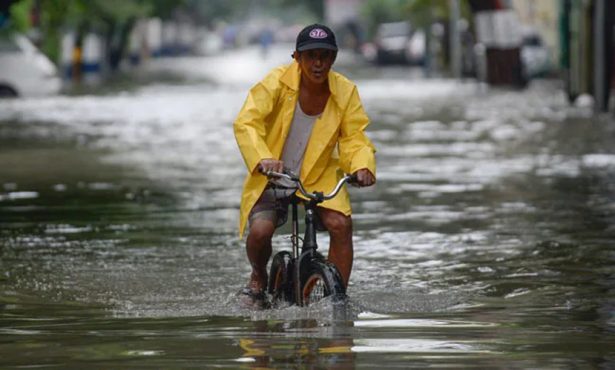
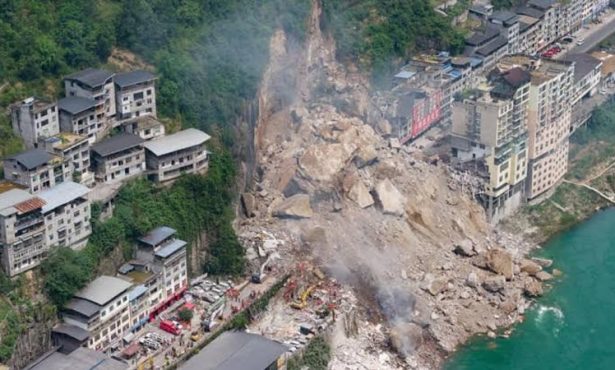
More than 100 people have died in India since July due to floods and landslides triggered by the ongoing monsoon rains, according to official data. Thousands have been forced to leave their homes and seek shelter in safer areas.
While the monsoon is vital for India’s agriculture, scientists warn that climate change is making rainfall patterns across South Asia increasingly erratic, intense and deadly.
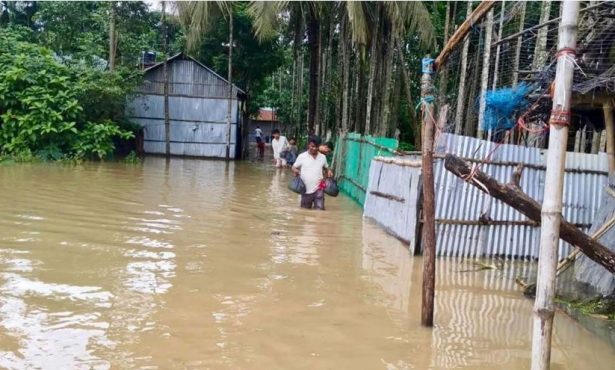
One of the worst-hit states is Assam, where Chief Minister Himanta Biswa Sarma said at least 87 people have died. Sivasagar district alone accounted for 47 deaths, with large areas still submerged.
The state government has appealed for financial assistance to cope with the crisis. In a post on social media platform X, Sarma said, “Such devastation has never been witnessed in the region before. Economic losses can be recovered, but the loss of loved ones is irreparable.”
In the southern state of Kerala, at least 15 people have died following days of heavy rainfall, with seven others reported missing, according to Chief Minister V. D. Satheesan. More than 300 relief camps have been opened, sheltering over 10,000 displaced people as rivers overflow and flood vast areas.
In Indian-administered Kashmir, at least 31 people have been killed due to intense rainfall in a short period, state media reported.
Meanwhile, lightning strikes have claimed at least 22 lives in the eastern states of Bihar and Jharkhand since Tuesday. Most victims were farmers working in paddy fields or people tending livestock, including four children.
India regularly faces extreme weather events—from severe summer droughts to monsoon-related floods, landslides and lightning.
However, experts say climate change is amplifying both the frequency and intensity of these disasters.