Play store

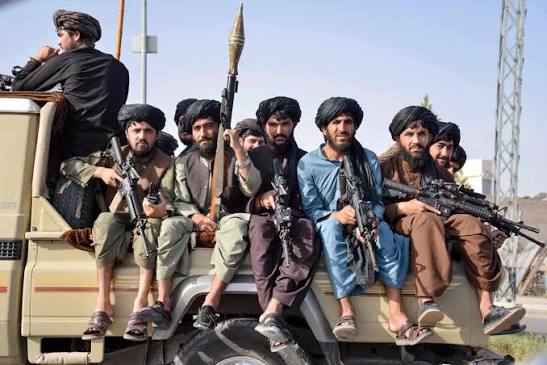
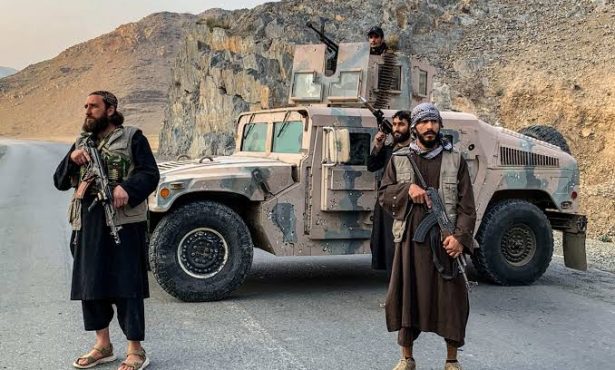
KABUL: Five years after the Taliban seized power in Afghanistan, the group has consolidated its control over the country but failed to secure broad international recognition, while the Afghan people continue to face poverty, isolation and strict social restrictions.
The Taliban took control of Kabul on August 15, 2021, after the withdrawal of US and other foreign forces. Since then, no major armed opposition has emerged capable of seriously challenging its rule. The group has transformed itself from an insurgent movement into a highly centralised government, with the country’s most important decisions largely controlled by its supreme leader, Hibatullah Akhundzada, from Kandahar.
Although senior officials in Kabul, including Prime Minister Mullah Abdul Ghani Baradar, Interior Minister Sirajuddin Haqqani, Defence Minister Mullah Yaqoob and Foreign Minister Amir Khan Muttaqi, oversee day-to-day administration, Kandahar remains the centre of political and ideological authority.
The Taliban has also strengthened its control through a system of patronage, financial incentives and ideological loyalty. The government provides salaries and allowances to students and teachers at thousands of registered religious schools, helping reinforce its support network.
Despite the absence of formal recognition from most countries, the Taliban government has gradually expanded diplomatic contacts. Russia remains the only country to have formally recognised the Taliban authorities, but China, Japan, Turkey, Saudi Arabia and several European countries have maintained working-level engagement with Kabul.
Taliban spokesman Zabihullah Mujahid has said the government wants relations with all countries, with particular importance given to neighbouring and regional states because of their economic and security interests.
Central Asian countries have shown particular interest in maintaining ties with Afghanistan. Officials from Tajikistan, Turkmenistan, Kyrgyzstan, Uzbekistan and Kazakhstan have held discussions in Kabul as they explore trade routes through Afghanistan to reach ports and international markets.
Regional powers have generally taken a pragmatic approach, viewing engagement with the Taliban as necessary despite disagreements over its policies. The government has also promoted cross-border infrastructure projects and expanded mining activities, seeking to attract investment and reduce dependence on international aid.
However, foreign investment remains limited because of the Taliban’s lack of broad international recognition and concerns over its policies. Afghanistan has also been badly affected by cuts in international assistance.
The biggest obstacle to closer relations remains the Taliban’s treatment of women and girls. Girls are barred from continuing education beyond around the age of 12, while women face wide-ranging restrictions on education, employment and public life.
Western governments have repeatedly called for changes to these policies before considering formal recognition. So far, however, there is little indication that the Taliban intends to reverse them.
As the fifth anniversary of its return to power approaches, the Taliban appears firmly in control domestically. But Afghanistan remains economically fragile and internationally isolated, with its future closely tied to whether the rulers can balance their hardline domestic policies with growing demands for engagement from the outside world.