


 Play store

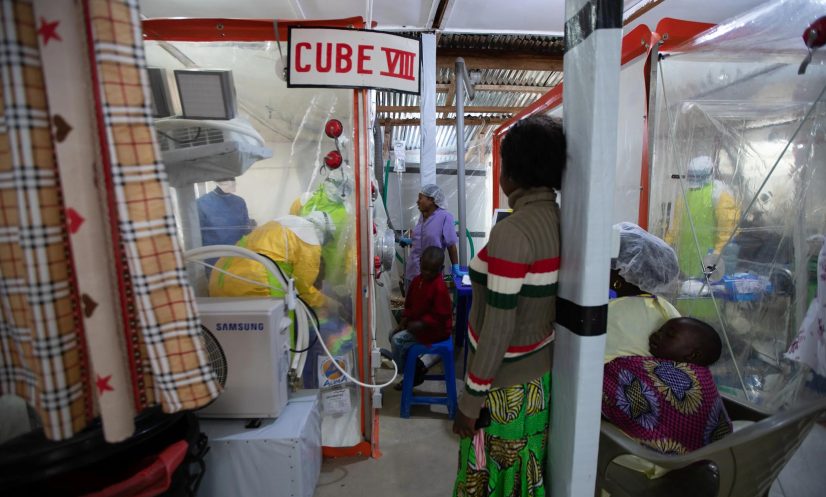
The Ebola outbreak sweeping across the Democratic Republic of Congo is accelerating at an alarming rate and could become the largest in history, according to data from Congolese health authorities and the Africa Centres for Disease Control and Prevention (Africa CDC).
The World Health Organization (WHO) has warned that the outbreak is spreading at an unprecedented pace and could eventually surpass the 2014–2016 Ebola epidemic in West Africa, which killed more than 11,000 people.
So far, the outbreak has killed 2,516 people among 5,290 confirmed cases in Congo’s eastern region. Health officials fear the true number of infections could be several times higher than reported.
Yap Boum, head of emergency preparedness and response at Africa CDC, said only about 10% of current cases are linked to known contacts. He said authorities may be detecting just 30%–40% of the actual cases.
By the 13th week after the outbreak was officially declared, Congo had recorded roughly 10 times as many cases and seven times as many deaths as the West African outbreak had recorded at a comparable stage, Africa CDC data shows.
The 2014–2016 West African epidemic eventually caused more than 28,000 cases and over 11,000 deaths.
Congo’s previous deadliest Ebola outbreak, which lasted from 2018 to 2020, recorded about 3,400 cases and more than 2,200 deaths. The current outbreak is progressing far faster, with confirmed cases rising at around 18 times the previous rate and deaths at about 13 times the rate.
Experts are also concerned that the outbreak may have begun in the mining town of Mongbwalu as early as February, months before authorities officially declared it on May 15.
Africa CDC data shows health workers have traced 82% of the 19,630 contacts identified over the past three weeks.
However, based on an average of 60 contacts per confirmed case, nearly 100,000 contacts should have been identified. This means the actual contact-tracing coverage is estimated at only about 16% of the expected level.
The outbreak is caused by the Bundibugyo virus, a strain for which no approved vaccines or treatments are currently available. Its symptoms can also be milder than those caused by the more common Ebola virus, potentially prompting infected people to delay seeking medical care.
The outbreak has expanded from three health zones at the beginning to 56 across six provinces.
Bas-Uele province, which had previously reported no cases, recorded two cases in separate locations over the past week and a half, according to government data.
There are signs of progress in some areas. South Kivu province, for instance, has gone 79 days without reporting a new case.
Deaths occurring outside Ebola treatment centres have risen steadily, accounting for 97% of reported deaths on August 17, according to Africa CDC figures.
At the same time, only around 20% of health alerts are being generated by communities, underscoring the difficulty of encouraging people to report suspected infections.
The overall case fatality rate is 46.7%, but it is significantly higher in some areas. In North Kivu, one of the country’s most populous provinces, the fatality rate has reached 68.2%.
Health officials say misinformation, reliance on traditional remedies, fear of isolation and concerns about quarantine are contributing to treatment delays. The relatively mild early symptoms of the Bundibugyo strain may further discourage patients from seeking medical attention promptly.