Play store

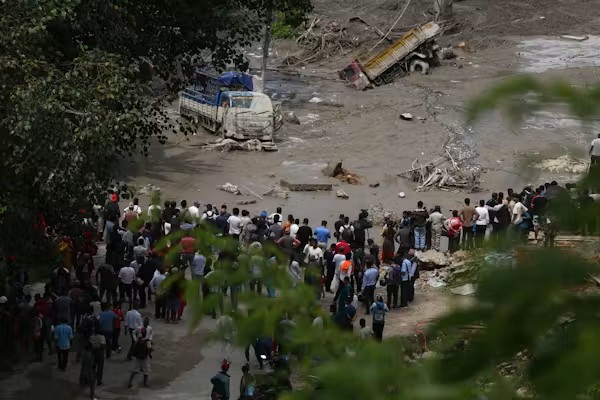
A devastating glacier-related disaster in Nepal has underscored the growing need for early warning systems as climate change destabilises glaciers and mountain slopes across the Himalayas.
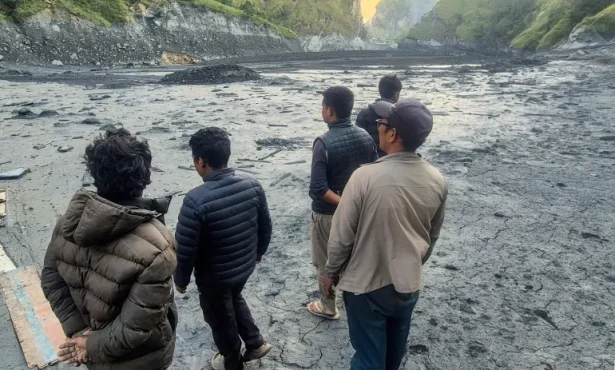
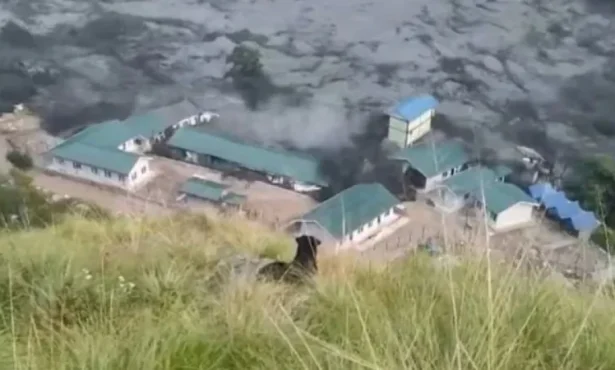
More than 500 people have reportedly died and hundreds remain missing after a massive wave of water, ice, mud and rock swept more than 170 kilometres down the Bhote Koshi River valley. At least 34 Australians are among those reported missing.
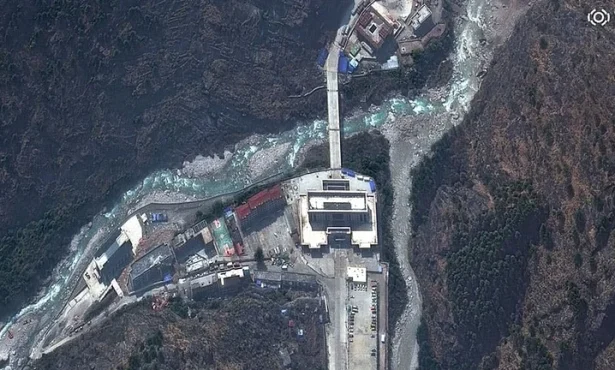
The valley is a major transport link between Kathmandu and Lhasa, and the scale of the disaster was so immense that the initial seismic signal was mistaken for a magnitude 4.4 earthquake.
Early analysis suggests that a massive ice-and-rock landslide may have triggered the disaster, gathering water, ice, rocks, trees and soil as it moved rapidly down the mountain valley. By the time it reached Gyirong Port on the China-Nepal border, the debris reportedly resembled a tsunami of mud and rock, with early estimates putting the wave at up to 30 metres high.
Experts caution that it is too early to establish the exact cause. But the disaster highlights the growing risks posed by a warming climate in the Himalayan region.
The Himalayas, often described as the world’s “third pole” because they contain the largest concentration of snow and ice outside the Arctic and Antarctic, are experiencing rapid glacier loss. Rising temperatures are also destabilising permafrost—frozen rock and soil that has remained stable for centuries.
When mountain slopes weaken, earthquakes or other failures can trigger sudden landslides and destructive debris flows. Communities downstream may have little time to react unless monitoring and warning systems are in place.
A recent glacier collapse in Switzerland demonstrated how such systems can save lives. Authorities evacuated residents after detecting warning signs, and no one was killed when the glacier eventually collapsed.
Modern early warning systems can monitor river levels, heavy rainfall, ground movement and seismic activity, allowing authorities to evacuate vulnerable communities before disaster strikes. But installing and maintaining such systems can be expensive, particularly for developing countries.
Funding and international cooperation are therefore becoming increasingly important. The Green Climate Fund, for example, announced funding last year to improve monitoring systems in Nepal.
The risks extend beyond immediate disasters. Himalayan glaciers feed rivers that provide water for billions of people across Nepal, India, Pakistan and China. Increased melting can temporarily raise river flows and flood risks, but continued glacier loss could eventually reduce water availability, particularly during dry seasons.
Scientists say reducing greenhouse gas emissions, expanding early warning networks and closely monitoring vulnerable mountain regions are essential to protecting communities.
While these measures cannot prevent every climate-related disaster, they can provide crucial time for evacuation and help societies adapt to an increasingly unstable mountain environment.