Play store

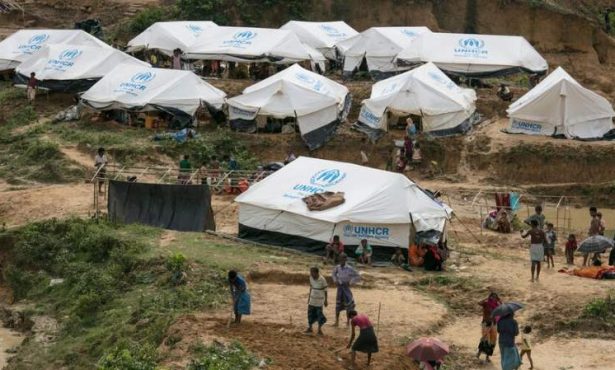
A deepening funding crisis is threatening emergency assistance and protection for around 8.3 million refugees and displaced people, the UN refugee agency UNHCR warned on Tuesday (September 29).
In a report released Tuesday, the UNHCR said prolonged and worsening funding shortfalls were increasingly restricting its ability to protect refugees, internally displaced people and stateless persons. Aid and protection programmes in refugee-hosting communities worldwide are also at risk of disruption as resources continue to decline.
The agency received $5.2 billion in donor funding in 2024, but the amount fell to $3.9 billion in 2025, even as the number of people needing assistance continued to grow.
The UNHCR said it requires at least $8.5 billion this year to provide protection and assistance to displaced people. By July, however, it had received only $2.7 billion, or 32 per cent of its requirement, putting some 8.3 million people at risk of losing access to its support.
Dominique Hyde, UNHCR director of external relations, warned that protection systems could collapse once their capacity falls below a critical threshold.
“When protection systems fall below a certain level of capacity, they do not simply become limited; they can cease to function altogether,” she said, warning that the most vulnerable people could be left without essential protection.
According to UNHCR figures, the number of forcibly displaced people worldwide reached 117.8 million by the end of 2025, including 35.6 million refugees under the agency’s mandate. Nearly two-thirds of those refugees came from Venezuela, Ukraine, Syria, Afghanistan and Sudan.
The funding shortfall has also forced the UNHCR to scale back its operations. The agency said it eliminated nearly 5,000 positions in 2025, more than a quarter of its workforce, after the United States and other major donors reduced foreign aid.
The Geneva-based agency said the funding squeeze was also hampering efforts to help refugees become more self-reliant and reduce their long-term dependence on humanitarian assistance.
The UNHCR said it was seeking additional funding while prioritising its most critical operations and services amid limited resources.