Play store

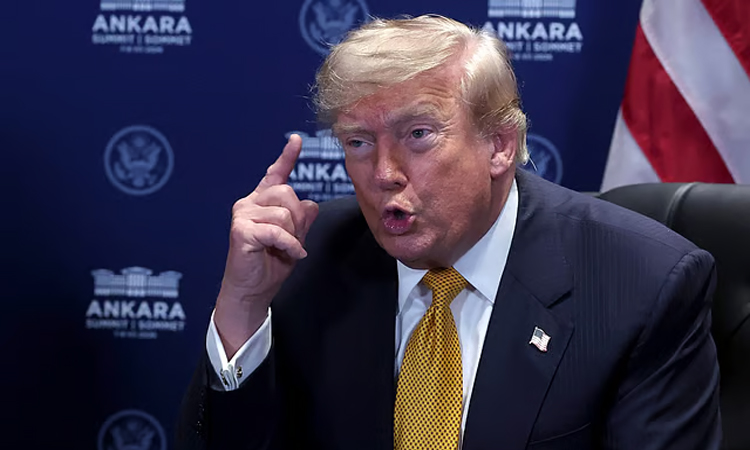
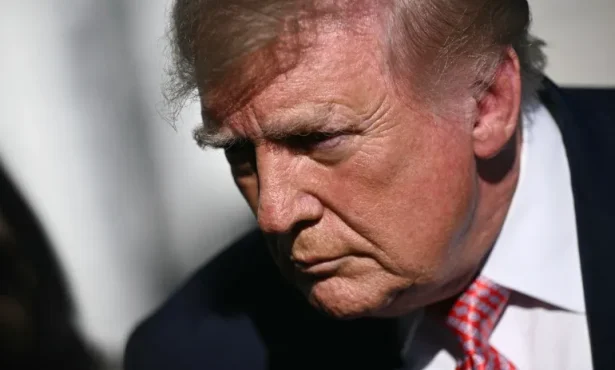
US President Donald Trump on Wednesday ordered a fresh wave of military strikes on Iran, warning Tehran that any further attacks on commercial shipping in the Strait of Hormuz would trigger an even stronger American response. “This is in retribution for yesterday’s bombing of ships by Iran,” Trump said on Truth Social. “If it happens again, it will get much worse.”
The strikes marked another sharp escalation in tensions in the Gulf after Iran was accused of attacking commercial vessels navigating the strategic waterway through which about one-fifth of the world’s oil and liquefied natural gas passes.
The US Central Command (CENTCOM) said the operation targeted Iranian military assets involved in threatening freedom of navigation. “The United States is holding Iran accountable for recent unjustified aggression against commercial shipping,” CENTCOM said in a statement.
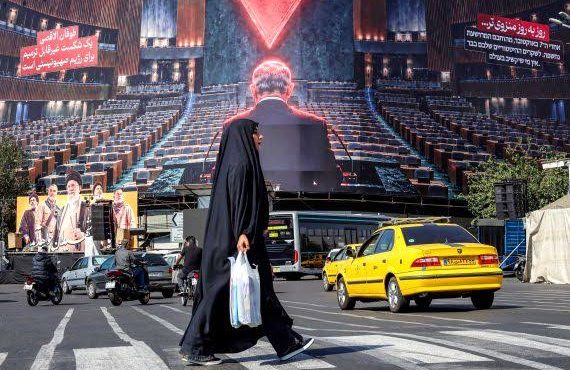
Iranian state media reported explosions across several southern coastal cities, including Bandar Abbas, Konarak, Chabahar, and Kish Island, with parts of Chabahar experiencing power outages following the strikes.
Iranian military adviser Mohsen Rezaei vowed retaliation, saying on social media that “the aggressor enemy and its accomplices will be severely punished.”
Despite authorising the strikes, Trump indicated he still hoped the confrontation could be short-lived and left open the possibility of renewed diplomacy.
Speaking aboard Air Force One late Wednesday, he claimed Iranian officials had contacted the United States seeking negotiations. “They called a little while ago. They want to make a deal so badly,” Trump said, although he did not identify who had made the contact.
Earlier in the day, however, Trump declared that the previous ceasefire with Iran was effectively over, prompting the United Nations, Pakistan, and Qatar to urge all sides to exercise restraint and prevent a wider regional conflict.
The latest military action comes ahead of Thursday’s burial of Iran’s former Supreme Leader Ali Khamenei, whose death at the outset of the conflict has further heightened tensions inside the country.
Since the outbreak of hostilities, Tehran has asserted greater control over the Strait of Hormuz, demanding transit fees from commercial vessels and warning ships against using routes not approved by Iranian authorities.
According to US officials, Iranian forces have attacked at least three commercial vessels in recent days, prompting extensive US strikes on Tuesday, followed by Iranian retaliatory attacks targeting American military facilities in the Gulf.
CENTCOM said more than 80 Iranian military targets were struck on Tuesday, including air defence systems, coastal radar installations and Revolutionary Guard naval assets.
Iran said it launched missiles and drones against US facilities in Kuwait and Bahrain, although a US military official told AFP that all incoming projectiles were intercepted or failed to inflict significant damage, with no American casualties reported.
Oil markets reacted sharply to the renewed fighting, with crude prices rising around 8 percent after Trump’s earlier remarks that the ceasefire had collapsed.
Meanwhile, UN Secretary-General António Guterres called on all parties to show “maximum restraint”, while Oman, which has been mediating between Washington and Tehran, condemned attacks on commercial shipping and military installations without assigning blame.
The renewed tensions have also disrupted maritime trade. According to the International Maritime Organization (IMO), nearly 6,000 seafarers remain stranded in and around the Strait of Hormuz as shipping companies reassess security risks in one of the world’s busiest energy corridors.