


 Play store

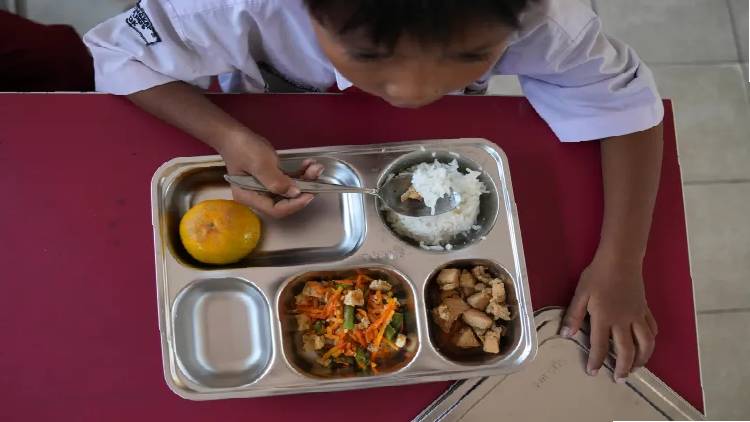
Indonesia’s flagship Free Nutritious Meals programme, launched by President Prabowo Subianto, is facing mounting criticism over allegations of corruption, waste and mismanagement, despite its goal of improving child nutrition and supporting local economies.
The $15 billion programme, introduced in 2025, has established around 28,000 kitchens nationwide to provide free meals to schoolchildren and other beneficiaries.
In June, the head of the National Nutrition Agency and two associates were arrested over an alleged $56 million procurement fraud.
The investigation has since expanded to include several government officials as well as police and military personnel.
Critics say the programme’s massive scale has created opportunities for corruption, alleging that many kitchens are operated by foundations with close ties to the police and military.
The initiative has also come under fire for failing to prioritise areas with the highest malnutrition rates, while setting up more kitchens in relatively affluent regions.
Food safety has emerged as another major concern. According to monitoring groups, nearly 33,000 students had suffered food poisoning linked to meals provided under the programme as of April 2026.
Food Coordinating Minister Zulkifli Hasan said around 7,000 surplus kitchens are currently operating despite questions over their necessity, adding that they are costing the government substantial monthly incentives.
Despite the controversy, President Prabowo has defended the programme, saying feeding hungry people remains a top priority.
The government has, however, indicated it will scale back the budget and revise the scheme, with greater focus on mothers and children in remote and underdeveloped areas.