Play store

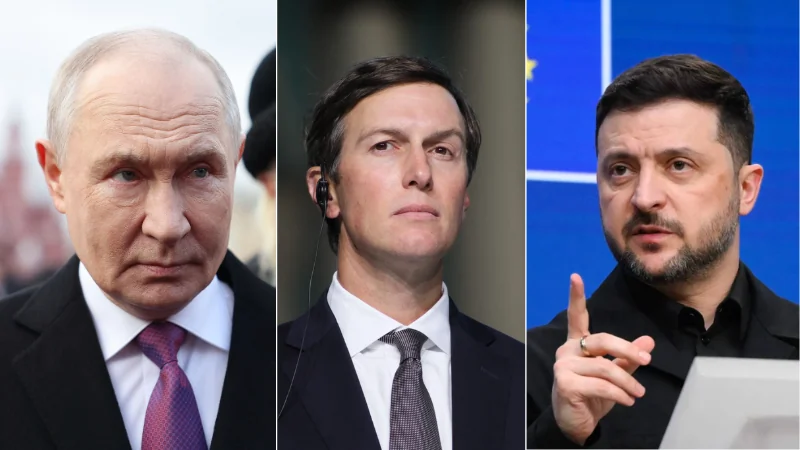
Russia, Ukraine and the United States are set to begin two days of US-mediated negotiations in Abu Dhabi on Tuesday, November 10, amid growing concerns over Europe’s security and warnings from Ukrainian President Volodymyr Zelensky against a possible division of the continent.
The talks, scheduled for November 10-11, will be the first direct meeting between the three sides since February. Washington hopes to make progress towards ending the nearly five-year war, although major differences remain over territory and security guarantees.
The negotiations come after US President Donald Trump suggested that a broad agreement involving Russia and Europe could be reached. His remarks have raised concerns among European governments that Washington and Moscow might negotiate a new security arrangement without their full participation.
Zelensky has warned against a possible “Yalta 2.0”, referring to the 1945 Yalta Conference, where the Soviet Union and Western powers discussed Europe’s post-war political order and spheres of influence.
German Foreign Minister Johann Wadephul said Europe did not need a new security architecture. He urged Moscow to abandon its additional demands and cautioned against holding talks merely for appearances without meaningful progress.
European representatives from Britain, France, Germany and Italy, along with officials from NATO and the European Union, are also in Abu Dhabi. However, they will hold separate consultations with the Ukrainian delegation rather than participate in the main trilateral negotiations.
Ukraine’s chief negotiator Rustem Umerov said the separate meetings were aimed at coordinating positions with European partners and ensuring that Europe remained involved in the diplomatic process.
The Ukrainian delegation will include Umerov, presidential office chief Kyrylo Budanov, his deputy Serhii Kyslytsia, military intelligence official Vadym Skibitskyi and parliamentary faction leader Davyd Arakhamia.
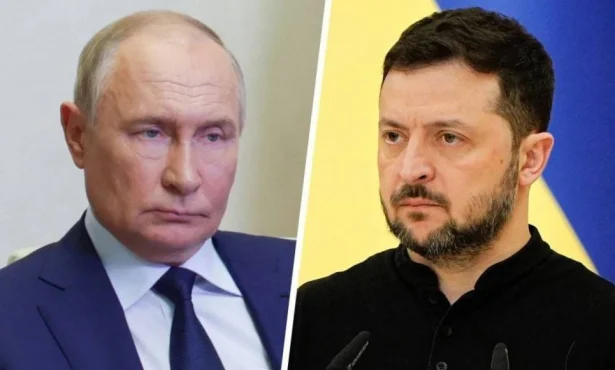
The Russian delegation will be led by Vladimir Medinsky, an aide to President Vladimir Putin. It will also include Putin’s aide Yuri Ushakov, Deputy Foreign Ministers Sergei Ryabkov and Mikhail Galuzin, and senior military and intelligence officials.
The United States will be represented by Trump’s special envoys Steve Witkoff and Jared Kushner, who are also scheduled to meet European representatives ahead of the trilateral discussions.
Territorial control remains the biggest obstacle to an agreement. Russia continues to demand that Ukraine surrender the entire Donbas region, including areas still under Ukrainian control. Zelensky has rejected giving up territory and insists that any settlement must include credible security guarantees.
Other issues expected to feature in the negotiations include a possible ceasefire covering energy infrastructure, security of navigation in the Black Sea, humanitarian arrangements and further exchanges of prisoners.
Zelensky has also called for preparations for a meeting between the leaders of Ukraine, Russia and the United States to move the peace process forward.
Despite Trump’s optimism about a possible agreement, US officials have cautioned that a comprehensive settlement remains difficult. Ukrainian officials have also played down expectations of an immediate breakthrough.
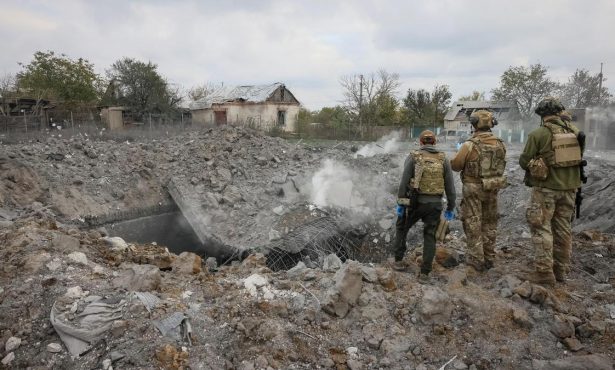
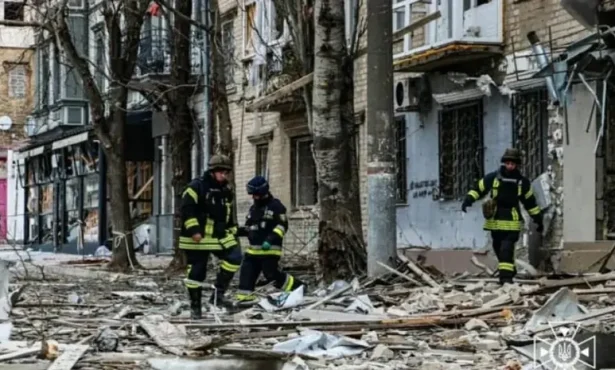
The negotiations are taking place as fighting continues, with Russia intensifying attacks on Ukrainian energy infrastructure and Ukraine carrying out drone strikes on Russian oil refineries and other strategic facilities.