Play store

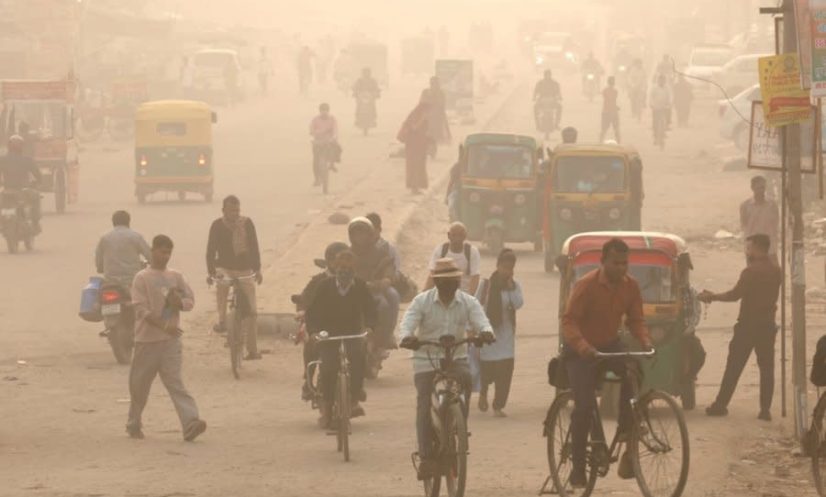
Air pollution in India’s capital, New Delhi, reached extreme levels during Diwali celebrations this week, overwhelming monitoring equipment and pushing pollution concentrations beyond the devices’ measurement limits, authorities said.
At its peak, pollution levels exceeded the monitors’ upper limit of 1,000 micrograms per cubic metre, equivalent to more than 66 times the World Health Organization’s (WHO) recommended daily limit for fine particulate matter (PM2.5).
The disclosure came after opposition politicians accused authorities of deliberately allowing gaps in official pollution readings for several hours overnight on Sunday and Monday, when fireworks during the Hindu festival of lights sent pollution soaring.
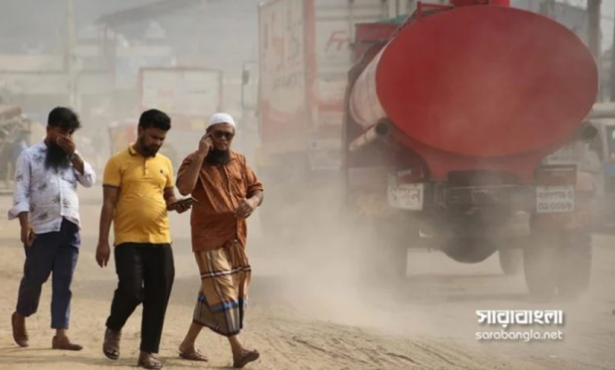
New Delhi is among the world’s most polluted capitals, with vehicle emissions, industrial activities and farm fires contributing to severe winter smog.
The Central Pollution Control Board (CPCB) denied deliberately suppressing pollution data, saying the gaps resulted from the monitoring system’s technical limitations.
The board said particulate matter monitors, installed when the National Air Quality Index was introduced in 2015, were designed to measure concentrations of up to 1,000 micrograms per cubic metre.
Under the automated data validation system, hourly readings exceeding the calibrated range are classified as out of range and excluded from calculations, it said.
The CPCB added that such gaps could occur during extreme pollution episodes, including heavy firecracker use during Diwali.
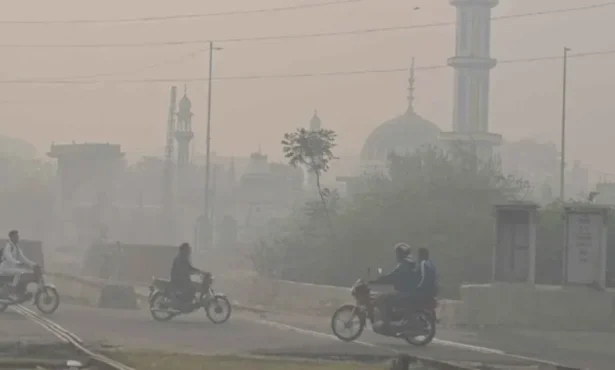
Although thick smog covered the city early Monday, monitoring stations resumed reporting after about eight hours. Data cited by monitoring organisation IQAir showed PM2.5 concentrations reaching 879 micrograms per cubic metre in the Mandir Marg area, more than 58 times the WHO’s recommended daily limit of 15 micrograms.
Opposition leaders questioned the reliability of official pollution records and said missing readings did not mean pollution had disappeared.
They warned that exposure to toxic air posed serious risks to residents’ health, particularly as the city entered its winter pollution season.