


 Play store

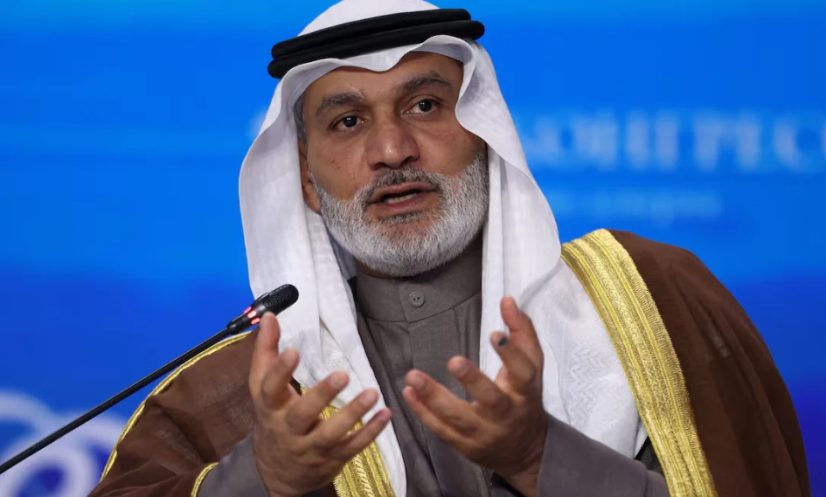
The head of the Organisation of the Petroleum Exporting Countries (OPEC) has rejected allegations that oil-producing nations were responsible for the failure of the COP31 climate negotiations, instead blaming the European Union (EU) for undermining efforts to reach a deal.
OPEC Secretary General Haitham Al Ghais said on Wednesday that oil and gas-producing countries had participated in the talks in Antalya, Turkey, in good faith and should not be held responsible for the breakdown.
The climate summit ended on Sunday, two days behind schedule, without a consensus.
In a blog post titled “What Really Happened at COP31?”, Al Ghais dismissed accusations that Saudi Arabia, Russia and other oil-producing nations had obstructed the negotiations.
“They were not the Parties that walked out. They were not the ones that paralyzed the negotiations,” he wrote.
Oil-producing countries opposed proposals calling for a transition away from fossil fuels but supported references to carbon capture, utilisation and storage (CCUS), a technology designed to capture carbon emissions.
They accused the EU and other countries of contributing to the failure of the negotiations.
The summit ended without an agreement after the EU and several other participants rejected a final political proposal presented by co-hosts Turkey and Australia, arguing that it was unacceptable because it contained no reference to moving away from fossil fuels.
Several countries subsequently accused oil-producing nations of exercising excessive influence over the negotiations.
Small developing countries also opposed references to CCUS, arguing that the technology was expensive, had not been proven on a large scale and could allow continued production of oil and gas.
Al Ghais accused the EU of hypocrisy, saying the bloc was advocating a shift away from hydrocarbons while relaxing some of its own energy regulations.
He cited the EU’s decision to postpone methane accounting requirements for oil and gas importers until 2029. EU officials did not immediately respond to a request for comment.
Meanwhile, negotiators from several small island, African, Latin American and European countries told Reuters during the conference that Saudi officials had enjoyed unusually close access to the COP co-presidencies, giving them disproportionate influence over the negotiations. Saudi Arabia did not respond to requests for comment.
COP31 President and Turkish Environment Minister Murat Kurum defended the negotiating process on Wednesday, saying the co-presidents had engaged with all participating countries.
Speaking to Reuters, Kurum identified disagreements over the definition of fossil fuels, particularly the EU’s position, as a major obstacle to reaching consensus. Disputes over climate finance also contributed to the deadlock.
Before the summit, the EU had warned that discussions on new climate finance commitments were “dead in the water”.
Anas Alhajji, a partner at Energy Outlook Advisors, said the EU had ultimately rejected compromise language referring to the 2023 UAE Consensus.
That agreement called for a transition away from fossil fuels while recognising CCUS and acknowledging differences in national circumstances.
However, several countries maintained that they would prefer no agreement rather than endorse a text they believed supported CCUS.
Marshall Islands lead negotiator Kathy Jetnil-Kijiner said on Wednesday she had no regrets about rejecting the proposed outcome.
She said she was satisfied with her decision not to support a COP agreement that included references to CCUS.

