Play store

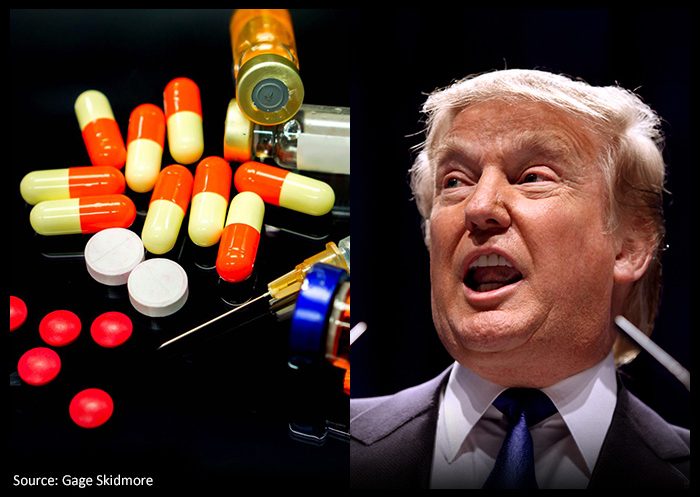
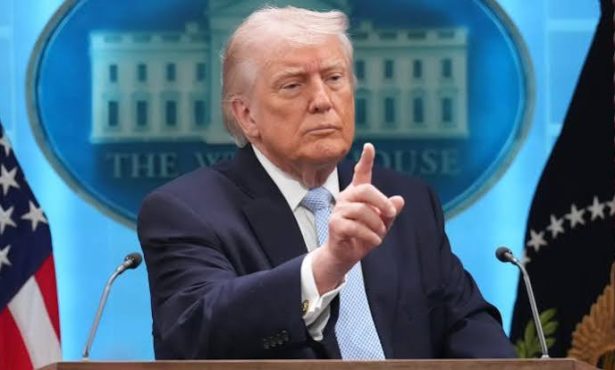
US President Donald Trump has announced a phased tariff plan on imported generic medicines, ending their exemption from his pharmaceutical trade policy and giving manufacturers two years to shift production to the United States before steep duties take effect.
Under the plan, imported generic drugs will remain tariff-free for a two-year transition period beginning on August 1, 2026. A 100% tariff will be imposed in 2028, followed by a 200% tariff from 2029 onward, according to a statement posted by Trump on Truth Social.
Trump said the measure is aimed at encouraging pharmaceutical companies to establish manufacturing facilities in the United States, describing the future tariffs as a penalty for firms that continue producing generic medicines abroad.
The announcement marks the first time the administration has set a clear timeline for tariffs on generic medicines, which had previously been excluded from its broader pharmaceutical trade strategy. Tariffs on patented and branded medicines, which can reach as high as 100%, will remain unchanged.
Generic medicines account for around 90% of all prescriptions dispensed in the United States, although they represent only a small share of overall prescription drug spending. Because most generic manufacturers operate on narrow profit margins, industry experts have warned that the proposed tariffs could lead to higher prices, reduced availability and possible shortages of essential medicines.
The Association for Accessible Medicines (AAM), which represents generic drug manufacturers, said it is seeking further details from the administration while urging policymakers to address the practical challenges of expanding domestic pharmaceutical production.
India, the largest overseas supplier of generic medicines to the United States, is expected to be among the countries most affected by the proposed tariffs. The country is also a major source of active pharmaceutical ingredients (APIs), many of which are used by American drugmakers.
Health policy experts have previously cautioned that tariffs on pharmaceutical imports could disrupt supply chains because nearly 80% of the active pharmaceutical ingredients used in the United States are sourced from India and China. Analysts warn that manufacturers of low-margin generic medicines may withdraw some products from the market if higher import costs cannot be passed on to wholesalers or healthcare providers.
Older injectable generic medicines, including certain cancer treatments, are considered particularly vulnerable because of their already limited profitability.
While the administration argues the policy will strengthen domestic manufacturing and reduce dependence on foreign suppliers, industry analysts question whether the two-year transition period is sufficient. Building, certifying and scaling new pharmaceutical manufacturing facilities in the United States typically takes significantly longer.
The proposed tariffs are expected to intensify debate over drug affordability, supply chain security and US trade policy, with 2028 emerging as a key year for both the American healthcare system and India’s pharmaceutical export industry.