Play store

UNESCO on Friday added several historic sites in Lebanon and the occupied West Bank to its World Heritage in Danger list, citing damage and growing threats caused by ongoing conflict and development projects.
Among the newly listed sites is Beaufort Castle, also known as Qalaat al-Shakif, a Crusader-era fortress in southern Lebanon that was captured by Israeli forces in May during their military campaign against Hezbollah.
The castle is one of five fortresses in the Jabal Amel region that were collectively inscribed on UNESCO’s danger list. The agency said the mountainous area has suffered repeated Israeli bombardment, leaving the sites damaged and exposed to continuing risks.
UNESCO said the threats to the fortresses were “serious enough to justify resorting to an emergency procedure.”
Lebanese Culture Minister Ghassan Salame welcomed the decision, calling it “a remarkable achievement in the effort to protect these important Lebanese historical landmarks.”
He said only two of the five castles remain under the Lebanese government’s control, alleging that Israeli forces have already destroyed Shamaa Castle and continue to threaten Beaufort Castle.
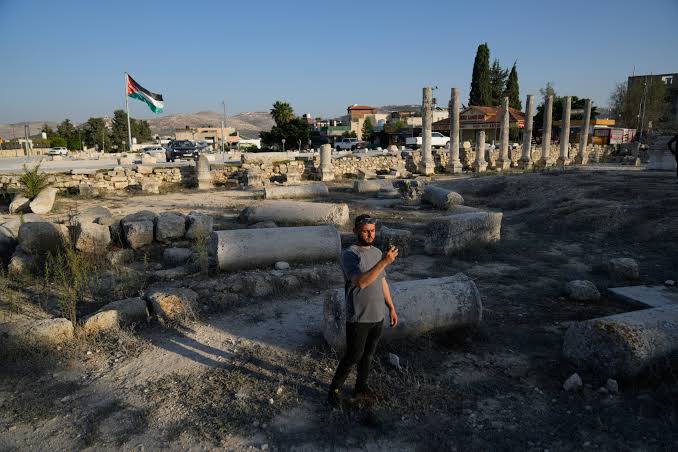
UNESCO also added Sebastia, an archaeological site near the West Bank city of Nablus, to the endangered heritage list.
The site is widely believed to be the location of the ancient city of Samaria, later an important Roman settlement. Israel continues to refer to the northern West Bank as Samaria.
UNESCO said the site’s integrity is under threat from an Israeli project involving the expropriation of Palestinian land to establish the “Samaria (Shomron) National Park.” The agency warned that the project could divide the archaeological property and undermine its historical character.
Israeli authorities expropriated about 200 hectares of Palestinian land around Sebastia in 2025, saying the move was intended to preserve and develop the heritage site.
Palestinians, who have built a local tourism industry around Sebastia, argue that the planned development—including an Israelis-only access road, fencing and entrance fees—would marginalize the local community.
Israeli Foreign Minister Gideon Saar rejected UNESCO’s decision, accusing the Palestinians of promoting a move aimed at “erasing and denying the Jewish connection to this land.”
The additions were approved by votes of the 196 member states of the UN cultural agency during its latest World Heritage Committee meeting.