Play store

- “Metalfreak” used to spend time every day with his pet bird — stroking her, cleaning her cage and letting her fly. “Now I can’t even put myself through that. Who cares?” he says, lying in his messy bedroom in Dhaka.
The man in his forties, who uses a pseudonym, is battling a severe addiction to yaba, a drug containing methamphetamine and caffeine that is destroying lives across Bangladesh. “This thing totally f***ed up my mind,” he says.
Yaba, meaning “crazy medicine” in Thai, is believed to be used by millions of Bangladeshis, with consumption continuing to rise.
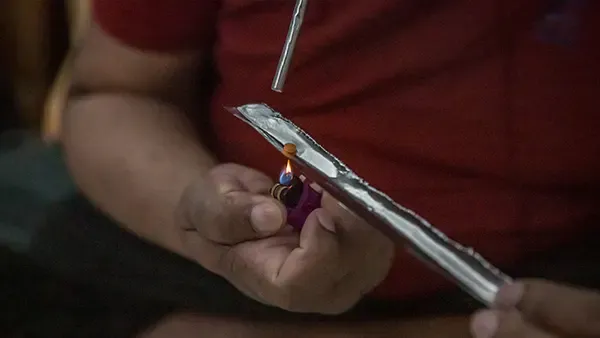
To take the drug, Metalfreak places an orange pill on tinfoil, heats it from below and inhales the fumes. The effects last four to five hours, he says. He often stays awake for three days before crashing into a 12-hour or longer sleep.
In June, Home Minister Salahuddin Ahmed said nearly 5% of Bangladesh’s population of around 175 million people are affected by drug addiction, with the rise of synthetic and semi-synthetic drugs worsening the situation.
Yaba is classified as a Class-A banned substance in Bangladesh. In 2018, authorities launched a major crackdown under then-prime minister Sheikh Hasina, during which more than 200 people were killed.
The campaign drew criticism from international rights groups, including the UN and Amnesty International, which raised concerns over alleged extrajudicial killings. Tens of thousands of people were also arrested.
Despite such measures, experts say yaba use continues to increase.
“If we want to reduce substance use, we have to improve mental health services,” says Dr Md Arifuzzaman, a registrar at the National Institute of Mental Health and a specialist at Dhaka’s Niramoy rehabilitation centre.
Bangladesh has only about 350 psychiatrists, he says, while mental health facilities remain severely limited. A national mental health survey conducted in 2018–19 found that around 90% of people needing mental healthcare do not seek treatment due to stigma and lack of access.
Dr Arifuzzaman says yaba addiction is now widespread, with many users also consuming other substances such as heroin, buprenorphine injections and opioid tablets.
Some people turn to drugs while struggling with depression, anxiety or other mental health problems, while others become involved in drug dealing to support their addiction.
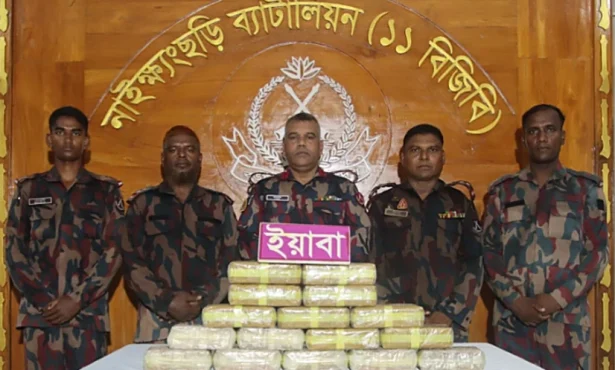
Yaba was traditionally used by workers in parts of Asia, including truck drivers, before becoming popular among young people in the late 1990s. The UN Office on Drugs and Crime says Myanmar is believed to be the main source of yaba entering Bangladesh.
The Golden Triangle region — where Myanmar, Thailand and Laos meet — remains one of the world’s major hubs for synthetic drug production. In 2024, record seizures of methamphetamine were reported across East and Southeast Asia.
“Everyone has the same sob story,” says Metalfreak. He says many users begin with cigarettes, then move to cannabis and cough syrup before trying yaba. When he first took the drug, he expected to relax, but instead it gave him an intense mental high. “This thing makes people animal,” he says.
He says cheaper versions of yaba have become widely available, causing severe health problems including damaged teeth, mental instability and other long-term effects. He has lost friends to the drug and believes prolonged use can lead to serious illnesses.
In Dhaka, yaba has become easier to find, with street-level sales reported in areas such as Mohammadpur, where young sellers offer packets of pills to passers-by.
Experts say Bangladesh’s economic pressures, political uncertainty, climate challenges and mental health crisis have contributed to the growing addiction problem.
For Metalfreak, yaba has become a form of escape from personal struggles, including the loss of his father and the collapse of his business. But he fears the drug is slowly destroying users’ lives.
“It’s a slow poisoning,” he says.