Play store

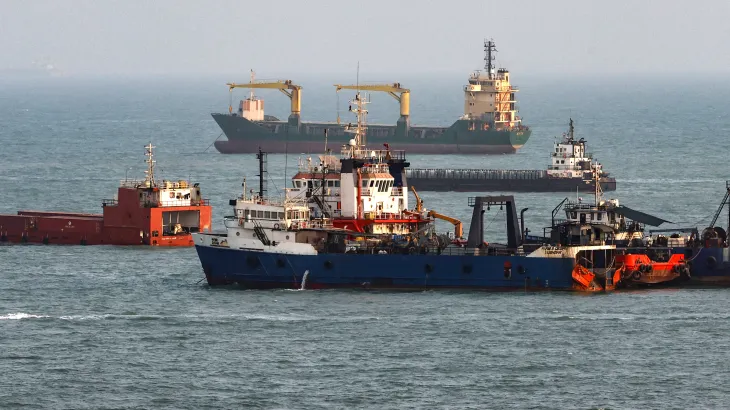
A growing confrontation between Washington and Tehran over the Strait of Hormuz has intensified, with both sides claiming authority over the strategic waterway while shipping traffic remains severely disrupted.
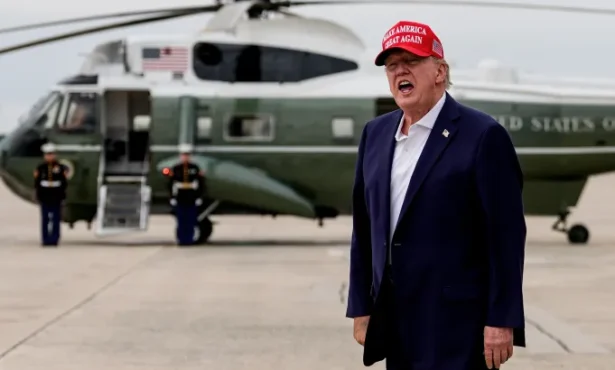
US President Donald Trump said Wednesday that the United States has “total control” of the Strait of Hormuz, describing the US naval presence as a “wall of steel” and saying there was little Iran could do to challenge it.
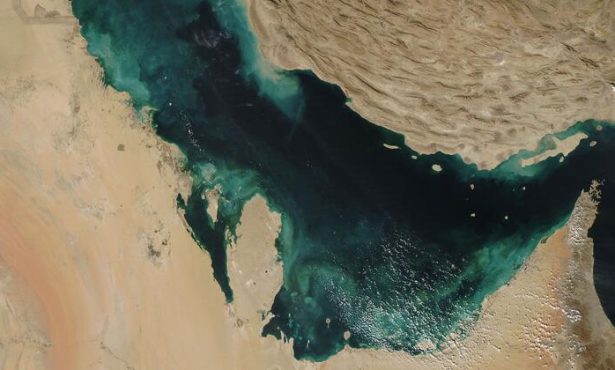
Iran, however, has rejected Washington’s claim. Iranian officials have continued to assert Tehran’s ability to regulate maritime traffic through the strait, which lies between Iran and Oman and serves as the principal sea route connecting the Persian Gulf with global markets.
The competing claims come amid a months-long US-Iran conflict and an effective disruption of normal shipping through the waterway. While Washington says its forces can control access, maritime traffic suggests that Iran retains substantial practical leverage. Recent reports indicate that only a small fraction of vessels are using routes protected by US forces, while many ships are avoiding the strait altogether or taking routes perceived as less risky.
The Strait of Hormuz is one of the world’s most important energy chokepoints, carrying roughly one-fifth of global oil supplies. Any prolonged disruption therefore has implications far beyond the Middle East, affecting crude prices, shipping costs, insurance premiums and inflation in energy-importing countries.
The uncertainty has kept oil markets volatile. Brent and West Texas Intermediate prices moved only modestly on Wednesday as investors weighed the risks of prolonged supply disruptions against concerns about weaker global oil demand. Analysts say even if an agreement is reached, a return to normal shipping is unlikely to be immediate because insurers and ship operators would need sustained evidence that the route is safe.
Iran’s leverage over the waterway has also featured in discussions surrounding possible diplomatic arrangements. Reports earlier this month indicated that a proposed agreement could give Tehran authority over inbound maritime traffic, although significant issues remained unresolved and no final settlement had been reached.
The standoff is also placing pressure on the US military. The aircraft carrier USS Abraham Lincoln, deployed in the Middle East, has spent more than 200 consecutive days at sea, setting a modern record for a US carrier’s continuous time underway. The prolonged deployment has raised concerns about the physical and mental wellbeing of its more than 5,000 sailors and airmen.
Recent reports have highlighted mounting concerns among crew members and their families over prolonged separation, difficult living conditions and mental-health pressures. The reports have prompted calls for greater scrutiny of the carrier’s extended deployment.
The dispute over Hormuz therefore extends well beyond competing military claims. For Washington, maintaining freedom of navigation is a strategic and economic priority. For Tehran, the strait represents one of its most powerful means of exerting pressure on the US and its allies.
With neither side showing signs of backing down, the central question is no longer simply who claims control of the Strait of Hormuz, but whether either side can restore safe and predictable commercial navigation without a wider escalation. Source BBC News