


 Play store

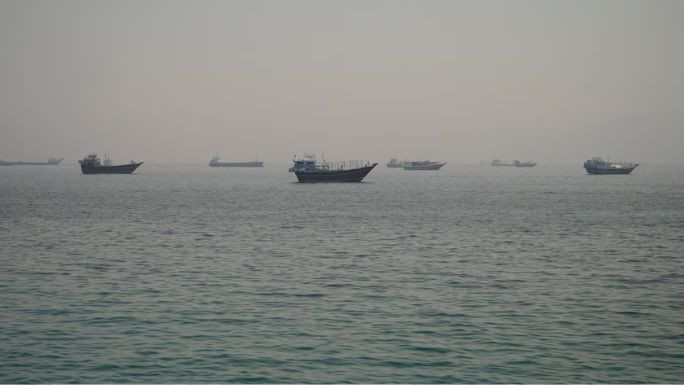
Iran has indicated that China and other countries it considers “friendly” may receive preferential treatment under a proposed system of service fees for vessels transiting the Strait of Hormuz.
Speaking at the World Peace Forum in Beijing on July 4, Iran’s Ambassador to China Abdolreza Rahmani Fazli said Tehran is working with Oman to establish a new framework for managing the strategic waterway, according to Al Jazeera.
Fazli said Iran, as a littoral state of the strait, plans to charge commercial vessels for services provided during transit. However, he stressed that the proposed charges would not constitute transit tolls.
According to him, the fees would cover maritime security, vessel monitoring, and efforts to mitigate the environmental impact of heavy shipping traffic.
Iran’s state-affiliated NourNews agency quoted the ambassador as saying that China and other countries regarded as friendly by Tehran could receive “special considerations” regarding the level and type of fees.
The announcement follows a temporary understanding reached last month between Iran and the United States to halt hostilities. Under the arrangement, commercial vessels have been allowed to pass through the Strait of Hormuz without charge for 60 days. It remains unclear what system will apply once that period expires.
The United States has said any long-term agreement should not allow Iran to impose transit-related charges on vessels using the strait.
Fazli noted that the security dynamics in the Strait of Hormuz have shifted following the recent conflict involving Iran, the United States, and Israel, adding that Tehran and Muscat would jointly determine future administrative arrangements.
Iran and Oman, which share oversight of the strait, have already formed a joint committee to develop the proposed management framework.
The Strait of Hormuz remains one of the world’s most critical maritime chokepoints, handling roughly one-fifth of global crude oil and liquefied natural gas shipments under normal conditions.
Shipping through the passage was significantly disrupted during the recent conflict, contributing to a surge in global energy prices.