Play store

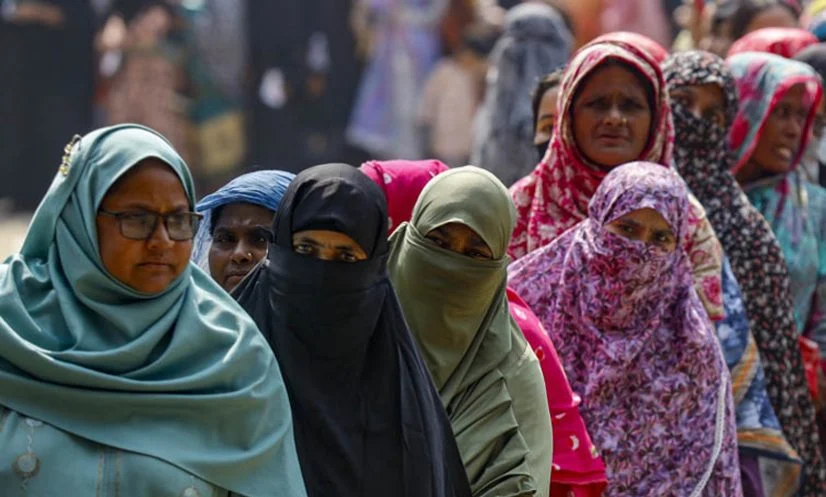
Although women account for nearly 49 per cent of Bangladesh’s voters, their representation among elected public representatives stands at only 2.3 per cent, Election Commissioner Anwarul Islam Sarker said on Sunday, calling for greater participation of women at every stage of the electoral process.
He made the remarks as the chief guest at a consultation titled “National Multi-Stakeholder Consultation on the Development of a Gender Equality Strategy for the Bangladesh Election Commission” organised jointly by UN Women and the Election Commission at a hotel in Dhaka.
EC Joint Secretary Abdul Halim, Deputy Secretary Mohammad Monir Hossain and officials and representatives concerned attended the event.
Sarker said women constitute 49.27 per cent of the country’s voters but their representation remains only 2.3 per cent.
“Women are numerically strong as voters, but that strength is hardly reflected in political representation,” he said.
He identified social attitudes, the political environment, socioeconomic conditions, culture and prevailing mindsets as some of the key reasons behind the disparity.
The commissioner said families generally do not encourage their children, whether boys or girls, to enter politics.
“I do not encourage my own children, sisters, daughters or other female relatives to enter politics,” he said, adding that families often discourage young people in general from becoming involved in politics.
Sarker called for two issues to be prioritised to increase women’s participation in politics.
First, the message that politics is not inherently bad and that good people need to enter politics should reach households across the country, he said.
Second, women’s rights and nominations must be ensured within political parties.
“The more women become involved in political parties, the stronger their voices will become. Their leadership will also be strengthened and political representation will be established,” he said.
He stressed the importance of increasing women’s participation within political parties, saying that stronger participation at the input stage would eventually produce better representation in the outcome.
Sarker also said the Election Commission alone could not ensure elections that were participatory, impartial, transparent and credible.
Most officials working at the Election Commission Secretariat and in the field have served in previous elections, he said, adding that changing election commissioners, returning officers or presiding officers alone could not guarantee a credible election.
He noted that officials who served under previous commissions were not necessarily incompetent and had considerable experience and qualifications.
The commissioner also called for vigilance against discrimination in recruitment processes.
He said the country must ensure that efforts to address discrimination did not inadvertently lead to new forms of discrimination.
Sarker praised the performance of women officials in various sectors and stressed the need to strengthen networks among them.
He said a strong, centrally coordinated network of women officials could help them collectively raise their demands with senior authorities.
“Unity and a strong pressure group can make things happen,” he said.
The commissioner stressed that women’s participation must be ensured in practice, not merely through statements or commitments.
He called for women to eventually have equal participation at every stage of the electoral cycle, including among citizens, voters, political parties, nomination processes, election management bodies, election observers and decision-makers.
Ensuring equal participation of women across these stages would help safeguard their rights and strengthen their political representation, he said.