Play store

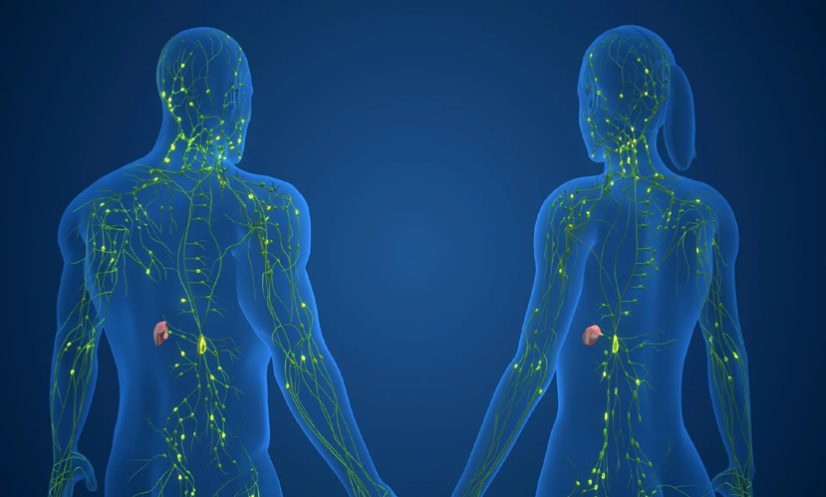
Women are diagnosed with autoimmune diseases far more often than men, and new research may help explain the biological reasons behind the difference.
Scientists from the Garvan Institute of Medical Research and UNSW Sydney have identified more than 1,000 genetic switches that behave differently in the immune cells of women and men. The differences appear to increase activity in inflammation-related pathways in women, potentially contributing to their greater susceptibility to autoimmune diseases.
The findings, published in The American Journal of Human Genetics, provide new evidence that diseases can develop and manifest differently in men and women. They also highlight the importance of considering biological sex in medical research, which has historically relied heavily on male participants.
Autoimmune diseases occur when the immune system mistakenly attacks healthy tissues in the body. Lupus, for example, can affect as many as nine women for every man.
“Our findings show that the immune system needs to be studied with sex in mind,” said Dr Seyhan Yazar of the Garvan Institute, the study’s first author. She said overlooking differences between male and female immune systems could limit understanding of diseases and contribute to biases in treatment options.
Study examines immune cells individually
Researchers have long faced challenges in studying differences between male and female immune systems because conventional blood tests measure the average activity of many different types of cells at once. This can mask important differences in individual cell types.
Advances in single-cell technology have enabled scientists to study immune cells individually in much greater detail. Researchers said the study is the first large-scale investigation of sex-related differences in immune cells at single-cell resolution.
The team analysed more than 1.25 million peripheral blood mononuclear cells from nearly 1,000 healthy people. The participants were part of the OneK1K cohort, a major Australian research project examining how genetic differences affect individual immune cells.
The researchers found clear differences in the immune profiles of men and women.
Men had higher proportions of monocytes, immune cells that act as early responders to threats. Their immune cells also showed greater gene activity linked to basic cellular maintenance and protein production.
Women, meanwhile, had higher proportions of B cells and regulatory T cells. Their immune cells also displayed substantially greater genetic activity associated with inflammatory pathways.
Stronger immunity may come with a trade-off
The researchers said the more reactive immune profile found in women may provide an advantage in fighting viral infections but could also increase the risk of autoimmune disease.
“While this highly reactive immune profile gives females an advantage in fighting viral infections, it comes with a biological trade-off: a greater predisposition to autoimmune diseases,” said Dr Sara Ballouz, a senior lecturer at UNSW and co-senior author of the study.
She added that male immune cells are generally less primed for inflammation, which may make men more vulnerable to infections and some non-reproductive cancers.
The findings could help scientists better understand why the same disease may affect men and women differently and could eventually contribute to more sex-specific approaches to diagnosing and treating immune-related diseases.