Play store

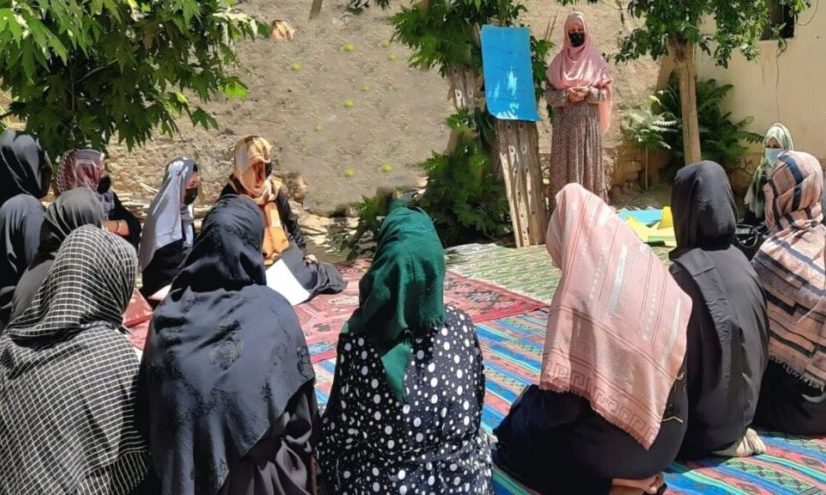
Women’s participation in Afghanistan’s labour market has fallen to 5.1 per cent, one of the lowest rates in the world, according to the International Labour Organization’s (ILO) latest assessment of the country’s labour market five years after the Taliban returned to power.
The ILO said Afghanistan’s labour market has undergone major structural changes since 2021, with growing gender inequality, increased reliance on male employment and the exclusion of women from economic activity emerging as defining features.
The number of employed people in Afghanistan is estimated to have reached nearly 8.5 million in 2026, about 14% above the lowest level recorded in 2022. However, the ILO said the increase has not kept pace with population growth. The employment-to-population ratio is estimated at 32.5%, more than four percentage points below its 2020 level.
The ILO said most of the increase in employment since 2022 has occurred among men. Male employment in 2026 is estimated to be about 22% higher than in 2020.
Women have experienced a sharply different trajectory. Female employment fell moderately in 2021 before plunging in 2022 to less than one-third of its 2020 level. Only a limited recovery has occurred since then, leaving women’s labour-force participation at 5.1%.
The figure represents a substantial deterioration from an estimated 14.8% female labour-force participation rate in 2021, highlighting the scale of women’s exclusion from economic activity.
The ILO said restrictions on women’s access to work have broader consequences for households and the economy because they reduce the number of people able to earn income and limit the country’s productive capacity.
The assessment also warns that large-scale returns of Afghans from Pakistan and Iran are placing additional pressure on an already fragile labour market.
Many returnees arrive facing poverty, unemployment and limited livelihood opportunities. The arrival of more people seeking work could increase competition for jobs and put further pressure on household incomes in communities where employment opportunities are already scarce.
Tatevik Hakobyan, ILO senior coordinator and head of its Afghanistan office, said Afghanistan would struggle to build a resilient labour market while a large part of its population remained excluded from economic activity.
The ILO said expanding women’s access to productive employment, alongside creating jobs for returnees and other vulnerable groups, is essential to improving livelihoods and supporting broader economic development in Afghanistan.