Play store

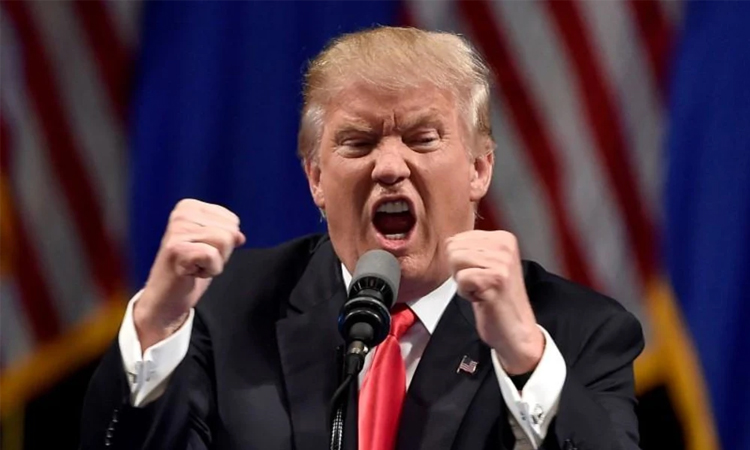
NATO leaders gather in Ankara on Tuesday for a two-day summit aimed at demonstrating the alliance’s growing defence commitments while easing tensions with US President Donald Trump following disagreements over Europe’s response to the Iran conflict.
The meeting, hosted at Turkey’s presidential palace, comes a year after NATO members pledged to raise defence-related spending to five percent of gross domestic product under pressure from Trump.
NATO Secretary General Mark Rutte said European allies have made significant progress in strengthening their military capabilities and assuming greater responsibility for the continent’s security in the face of continued threats from Russia.
“Just one year later, we already see transformational progress,” Rutte told reporters ahead of the summit.
Alliance leaders are expected to announce new defence contracts worth tens of billions of dollars during an industry forum before the main meeting, highlighting increased military investment and closer cooperation among member states.
Canada added momentum to that effort on Monday by selecting Germany’s Thyssenkrupp Marine Systems to build a new fleet of submarines under a multi-billion-dollar programme aimed at deepening defence cooperation with European allies.
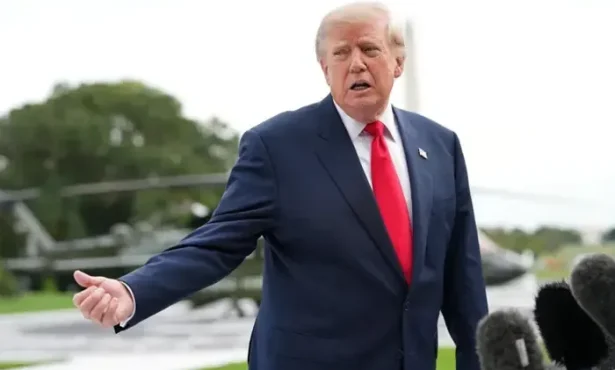
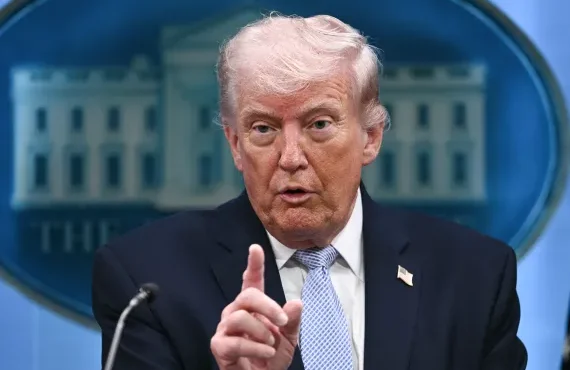
Despite the renewed spending commitments, Trump has criticised NATO members for what he considers an inadequate response to recent tensions in the Middle East, particularly after several European countries reportedly restricted the use of US military bases during operations against Iran.
“Ridiculous for the U.S.A. to continue along this one-sided path when the relationship is not reciprocal,” Trump wrote on his Truth Social platform last week.
European leaders are seeking to avoid a confrontation with Trump that could further strain alliance unity. Diplomats hope his close ties with Turkish President Recep Tayyip Erdogan, along with Rutte’s diplomatic efforts, will help keep discussions constructive.
European allies, led by France and Britain, are also considering a naval mission to help safeguard shipping through the Strait of Hormuz, although they are awaiting greater clarity on the fragile US-Iran understanding before making a final decision.
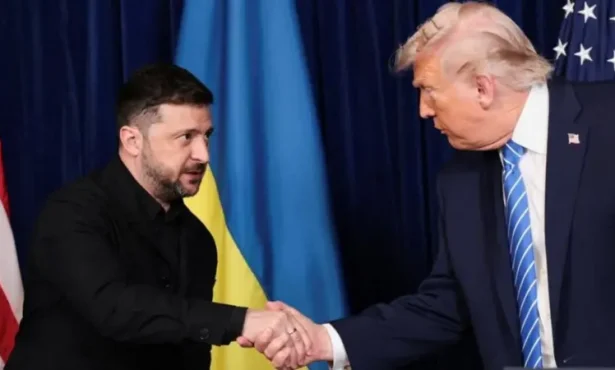
The summit is also expected to focus heavily on Ukraine. President Volodymyr Zelensky is scheduled to attend a leaders’ dinner and hold talks with Trump while seeking continued military support.
European allies are expected to pledge at least €70 billion in military assistance for Ukraine annually in 2026 and 2027 as they assume a greater share of support following the reduction in US aid.
Zelensky has urged NATO members to strengthen Ukraine’s air defences after recent Russian missile and drone attacks and will press Trump to intensify pressure on Moscow to return to meaningful peace negotiations.
The Ankara summit is widely seen as a key test of NATO’s unity as European allies seek to demonstrate they are prepared to shoulder greater defence responsibilities while maintaining strong US engagement in the alliance.