Play store

Israelis have taken to the streets to demand the foNewion of a government coalition in partnership with Arab political parties, calling for greater political cooperation between Jewish and Arab communities.
Hundreds of Israelis took to the streets in Tel Aviv, Jerusalem and several other cities on Saturday, demanding that opposition parties form a government coalition in partnership with Arab political parties following the country’s inconclusive general election.
The demonstrations called on opposition leader Gadi Eisenkot to cooperate with Arab-majority parties, including the Joint List and Ra’am, to establish an alternative government and prevent Prime Minister Benjamin Netanyahu from remaining in power.
Israel’s parliamentary election on Tuesday produced no clear majority in the 120-member Knesset. Parties opposed to Netanyahu secured a combined 67 seats, while Netanyahu’s bloc won 53 seats.
However, the opposition’s 67 seats include 48 won by Jewish-led parties and 19 by Arab-led parties, making Arab political support crucial to forming a government.
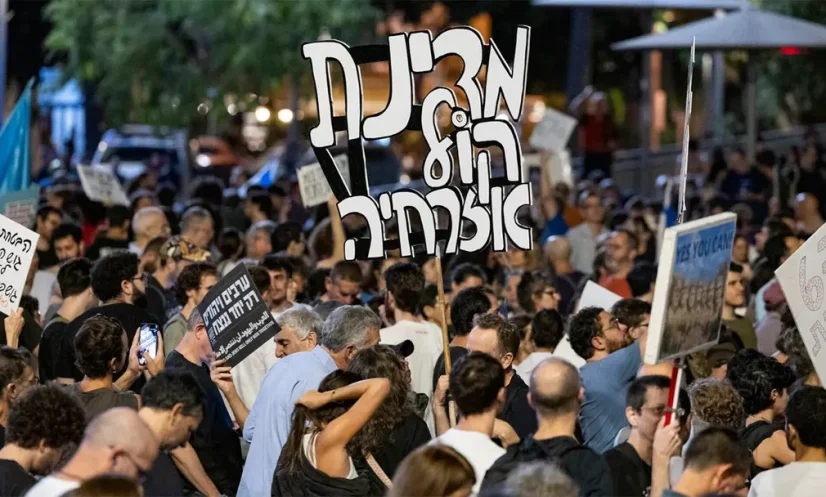
Around 2,000 demonstrators gathered at Habima Square in Tel Aviv before marching towards Rabin Square.
Protesters carried banners reading “Arabs and Jews will only win together” and “There is a majority for change”. Similar demonstrations took place in Jerusalem, Haifa, Beersheba and other locations.
The protesters argued that Arab citizens, who account for around 20 per cent of Israel’s population, should have equal political representation and participate fully in shaping the country’s future.
However, the proposal has faced resistance from several opposition leaders.
Avigdor Liberman, head of the Yisrael Beiteinu party, has rejected any coalition dependent on Arab parties, while Eisenkot has expressed reservations about forming a government relying on their support.
Yair Golan, leader of the left-wing Democrats party, has openly supported cooperation with Arab political groups.
He has also held talks with Ra’am leader Mansour Abbas over the possibility of forming an alternative government.
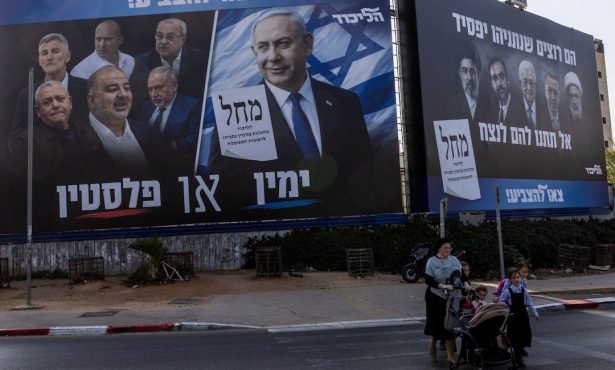
Meanwhile, supporters of Netanyahu staged a counter-demonstration in Tel Aviv, opposing cooperation with Arab parties and calling for an investigation into alleged electoral irregularities.
The election results have left Israel facing complicated coalition negotiations, with neither political camp independently commanding the 61 seats required to form a government.
President Isaac Herzog is expected to nominate a political leader to form the next government following consultations with party representatives.