Play store

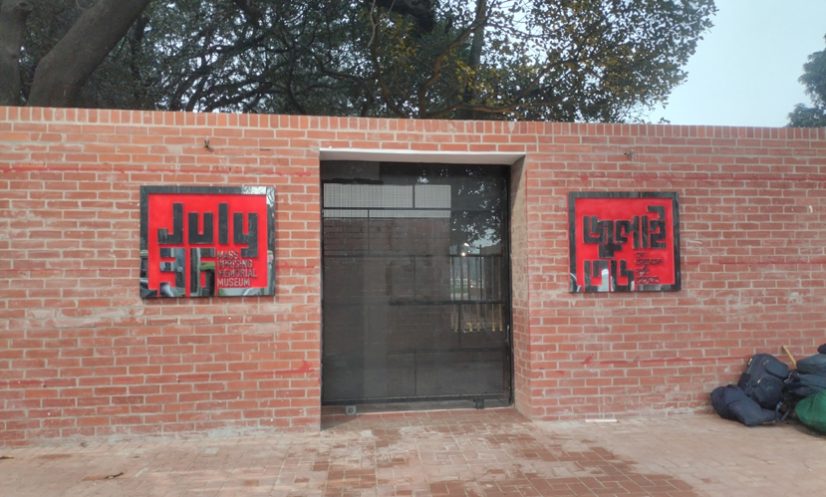
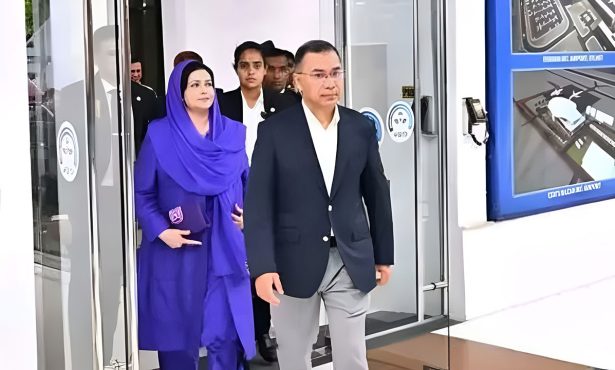
Prime Minister Tarique Rahman will formally inaugurate the July Mass Uprising Memorial Museum at the former Ganabhaban complex in Dhaka tomorrow (August 5).
Announcing the programme at a press briefing at the Secretariat on Tuesday, Cultural Affairs Minister Nitai Roy Chowdhury said the Prime Minister will unveil the museum’s commemorative plaque at 9:00 am before touring its galleries and exhibitions.
During the visit, Rahman will view photographs, documents, memorabilia and other artifacts related to the July Mass Uprising, gaining an overview of the movement’s history and significance.
The inauguration ceremony will also be attended by Liberation War Affairs Minister Ahmed Azam Khan, State Minister for Cultural Affairs Ali Newaz Mahmud Khayem, and the Prime Minister’s Adviser on Policy and Strategy, Information and Broadcasting, and Cultural Affairs, Dr. Zahed Ur Rahman, who holds the rank of a state minister. The event will be chaired by Cultural Affairs Minister Nitai Roy Chowdhury.
July uprising veterans and family members of those killed during the movement will share their experiences and pay tribute to the sacrifices made during the uprising. A documentary highlighting the events, public participation and eventual victory of the movement will also be screened.
The cultural programme will feature patriotic songs, recitations and other performances by leading Bangladeshi artists.
The museum’s Director General will conclude the event by thanking the guests, who are expected to include diplomats, intellectuals, academics, cultural figures, political leaders, journalists, government officials, July fighters and families of those who lost their lives during the uprising.
The minister said the museum will be opened to the public from August 6. Entry fees have been set at Tk 50 for adults and Tk 25 for children.
Responding to a question, Nitai Roy Chowdhury said any specific allegations of corruption related to the museum project would be investigated.
The former Ganabhaban has been transformed into the July Mass Uprising Memorial Museum to preserve photographs, videos, official records, personal belongings of victims and eyewitness accounts documenting one of the country’s most significant political movements.