Play store

The water level of the Teesta River rose again on Sunday following incessant rainfall and a fresh surge of upstream runoff from India, raising fears of flash floods and crop damage in low-lying areas of Lalmonirhat.
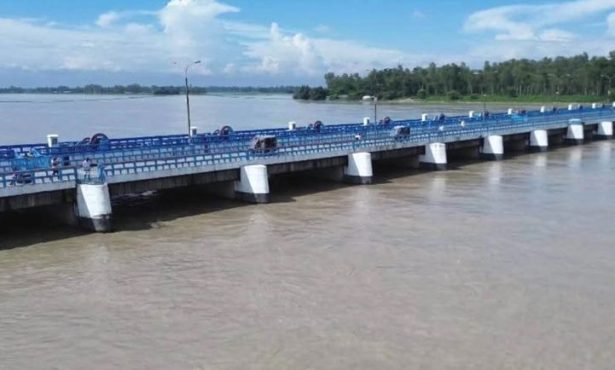
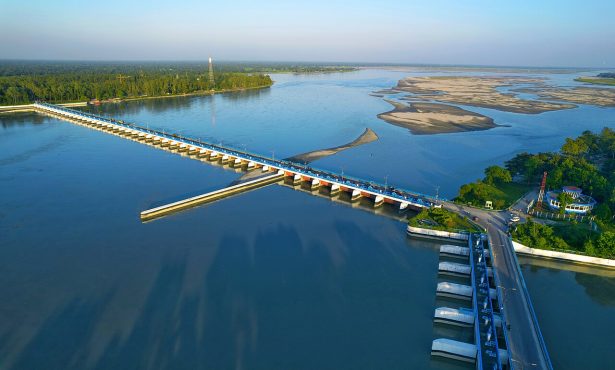
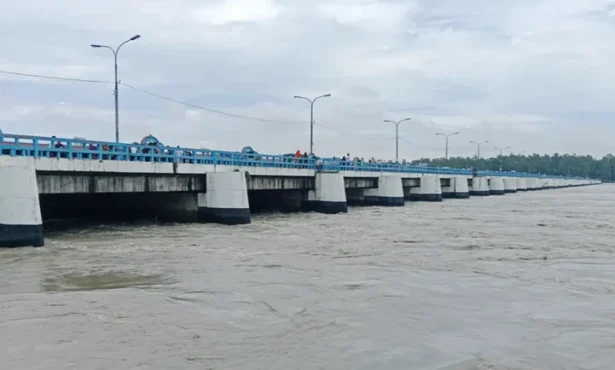
According to officials at the Teesta Barrage, the river was flowing 12 centimetres below the danger level at the barrage point at 3:00 pm.
To accommodate the increased inflow, authorities opened all 44 gates of the Teesta Barrage to regulate the rising water.
The swelling river has heightened concerns among residents and farmers in vulnerable areas, particularly in Patgram Upazila and the Votmari Union and Kakina Union of Kaliganj upazila, where low-lying croplands are at risk of inundation.
Farmers living along the river in Hatibandha Upazila also fear that continued rises in the water level could submerge peanut fields, Aman paddy seedbeds, sweet pumpkin cultivation and other standing crops on riverine chars.
“We are worried because floodwater could destroy our Aman paddy seedbeds,” said farmer Solaiman Gani, who lives on the Teesta riverbank.
Fish farmers are also anxious about potential losses. Raisul Islam, a fish farmer from the Gobardhan area under Mohishkhocha Union, said overflowing water could wash away fish from ponds if the river continues to rise.
Officials said they are closely monitoring the evolving situation.
Sunil Kumar, executive engineer of the Bangladesh Water Development Board in Lalmonirhat, said water levels in the Teesta and Dharla River typically rise during the monsoon due to heavy rainfall and upstream flows from India, often triggering floods and riverbank erosion.
He said the latest rise in water levels has already created several vulnerable points along the rivers, prompting authorities to remain on alert. If rainfall continues upstream, officials fear water levels could rise further, increasing the risk of flooding in riverbank communities and low-lying agricultural areas over the coming days.