Play store

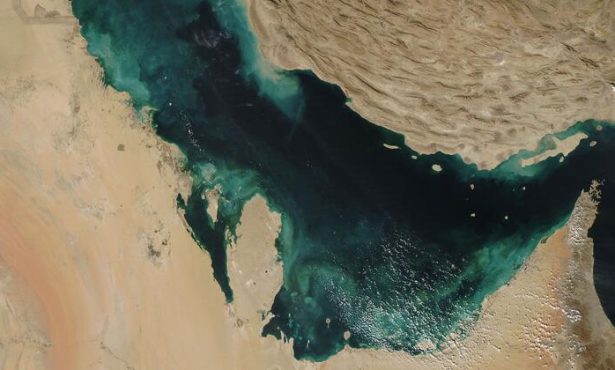
Tensions in the Middle East escalated further on Sunday as Iran announced plans to establish a new shipping route through the strategic Strait of Hormuz in cooperation with Oman, while also preparing to impose a restricted maritime zone amid continuing naval exchanges with the United States.
The development comes as growing military tensions and disruptions to shipping in one of the world’s most important energy corridors have pushed Brent crude oil prices to around $97 a barrel, raising fresh concerns about global energy supplies and the wider economic impact of the conflict.
Iran’s top security official Mohsen Rezaei said Tehran would announce details of the new maritime route in the coming days. The proposed arrangement, to be developed in cooperation with Oman, would be accompanied by the establishment of what Iranian authorities described as a restricted or prohibited zone in and around parts of the Strait of Hormuz and the Persian Gulf.
The announcement follows a fresh exchange of military action between Iranian and US forces in the region.
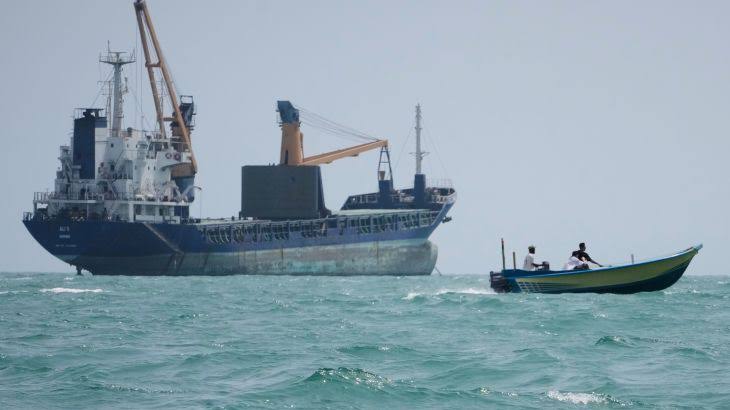
Iran said its forces had targeted several vessels and tankers using what it described as an “unauthorised” route through the Strait of Hormuz. Tehran said the action came in response to US strikes on Iranian crude carriers.
US military authorities, meanwhile, accused Iran of attacking American naval vessels and said Washington had responded by striking tankers allegedly linked to Iran’s Islamic Revolutionary Guard Corps.
The escalating confrontation has further disrupted maritime traffic through the Strait of Hormuz, a strategic waterway linking the Persian Gulf with international markets and traditionally serving as a major route for global oil and gas supplies.
Iranian authorities have warned commercial vessels against using routes not approved by Tehran, while the United States has continued efforts to maintain access to the waterway and prevent further disruption to international shipping.
International concern has grown as the confrontation threatens to widen.
Canada condemned what it described as Iran’s destabilising actions and expressed support for international efforts to keep the Strait of Hormuz open to commercial shipping.
The latest developments have also renewed concerns among energy markets that a prolonged disruption could affect oil supplies and push prices even higher. The confrontation over Hormuz is unfolding against the backdrop of wider instability across the Middle East.
In southern Lebanon, Israeli airstrikes on the town of Kfar Rumman killed at least 11 people, according to reports from the area. Rescue workers recovered nine bodies, including that of a two-month-old baby, from the rubble of a three-storey residential building that was destroyed in the strikes. In a separate incident, two paramedics were reportedly killed when a drone struck a civilian vehicle.
Meanwhile, violence has also intensified in Yemen, where heavy fighting between Houthi forces and government troops near the Red Sea coast has left more than 300 people dead since Thursday, according to reports.
The simultaneous escalation in the Strait of Hormuz, Lebanon and Yemen highlights the growing risk of a wider regional crisis.
For now, the most immediate international concern remains the Strait of Hormuz. Any further restrictions on shipping through the narrow waterway could have consequences far beyond the Middle East, affecting global energy markets, international trade and already fragile economic conditions.
Iran’s planned announcement of a new shipping route with Oman is therefore likely to be closely watched by governments, shipping companies and energy markets. Whether the initiative helps ease tensions or becomes another point of confrontation with Washington may depend on how Tehran defines and enforces its proposed restricted zone in the days ahead.