Play store

Ahmadul Kobir, Putrajaya: Malaysia celebrated its 69th Independence Day on Monday with a grand display of national pride, unity and patriotism as Putrajaya, the country’s administrative capital, was transformed into a sea of national colours.
More than 80,000 people gathered at Dataran Putrajaya to witness the National Day celebrations, featuring a military parade, patriotic performances, brass bands and a spectacular helicopter fly-past carrying Malaysia’s national and military flags.
Malaysia celebrates its Independence Day every year on August 31, commemorating its independence from British colonial rule in 1957. Known locally as Hari Merdeka, the occasion is one of the country’s most important national celebrations and symbolises national identity, unity and patriotism.
Thousands of people began arriving at Dataran Putrajaya early in the morning, with Malaysian citizens joined by foreign visitors. The main programme began at 8am local time.
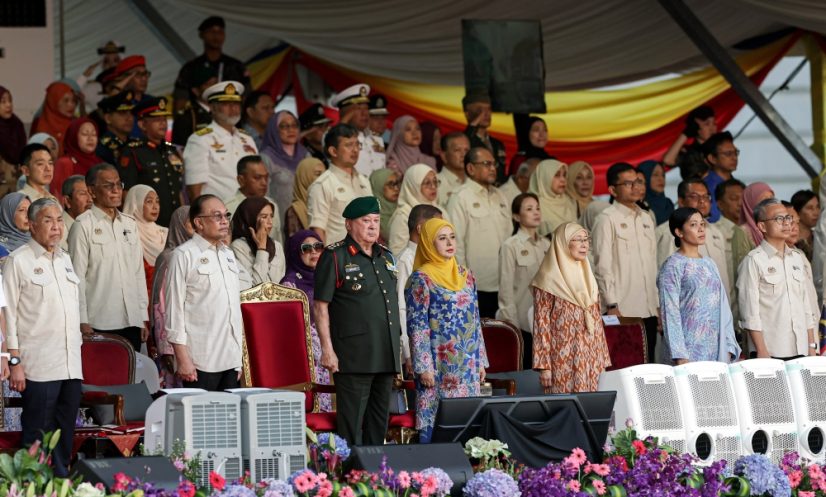
Malaysia’s King, Sultan Ibrahim, and Queen, Raja Zarith Sofiah, graced the 69th National Day celebrations at the venue.
Their Majesties arrived at 8am and were received by Prime Minister Datuk Seri Anwar Ibrahim and his wife, Datuk Seri Dr Wan Azizah Wan Ismail. Communications Minister Datuk Seri Fahmi Fadzil, who also chairs the 2026 National Day and Malaysia Day Main Committee, was present at the ceremony.
The official proceedings began with the sound of a trumpet echoing across Dataran Putrajaya, followed by the Main Honour Guard band performing the national anthem, Negaraku.
The atmosphere became particularly electric when five helicopters staged a fly-past carrying the Malaysian national flag and the flags of the Malaysian Armed Forces, the Malaysian Army, the Royal Malaysian Navy and the Royal Malaysian Air Force.
The aerial display drew loud cheers from the thousands of spectators.
Sultan Ibrahim subsequently inspected the parade and received the Royal Salute from the Main Honour Guard.

The salute was performed by the 41st Battery of the Ceremonial Royal Artillery Regiment from Sungai Buloh Camp, comprising three officers and 57 other personnel.
A total of 10,819 participants took part in this year’s parade, representing 76 contingents and accompanied by 22 brass bands, according to the organising committee.
The 2026 National Day theme, “Malaysia Madani: Kesejahteraan Dinikmati”, highlights shared prosperity, national unity and public well-being.
This year’s event marked the third National Day celebration attended by Sultan Ibrahim and Raja Zarith Sofiah since Sultan Ibrahim became Malaysia’s 17th Yang di-Pertuan Agong.
Sultan Ibrahim took the oath of office on January 31, 2024, and was formally installed as the 17th Yang di-Pertuan Agong on July 20 that year.
The presence of the King and Queen, together with tens of thousands of spectators, thousands of parade participants, military displays, patriotic performances and the helicopter fly-past, turned the event into a major celebration of Malaysia’s national identity.
Malaysia’s National Day also carries special significance for Bangladesh, which has maintained longstanding friendly relations with the Southeast Asian nation.
Malaysia became the first Muslim-majority country in Southeast Asia to recognise Bangladesh as an independent country on January 31, 1972, paving the way for the establishment of formal diplomatic relations between the two countries.
The movement of Bangladeshi workers to Malaysia began in 1976. Since then, bilateral relations have expanded beyond labour migration to include education, defence, culture, trade, investment and cooperation in regional and international forums.
Economic ties have also grown, with Malaysia emerging as an important trading partner for Bangladesh. Bangladeshi expatriates have contributed to strengthening the economic and people-to-people links between the two countries.
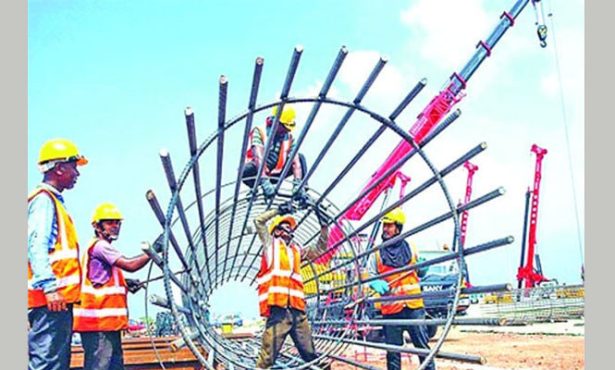
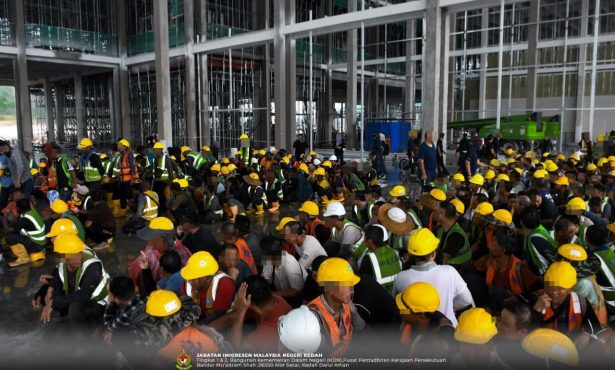
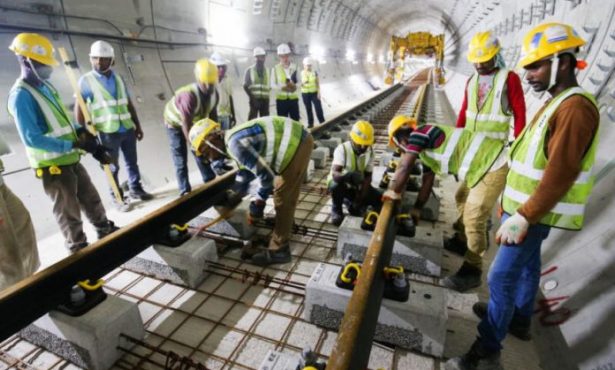
Bangladeshi community members in Malaysia said the contribution of Bangladeshi workers to Malaysia’s economic development and infrastructure has been significant.
They expressed hope that the longstanding friendship between the two countries would continue to deepen, with stronger cooperation in trade, investment, education, employment and other areas of mutual interest.