Play store

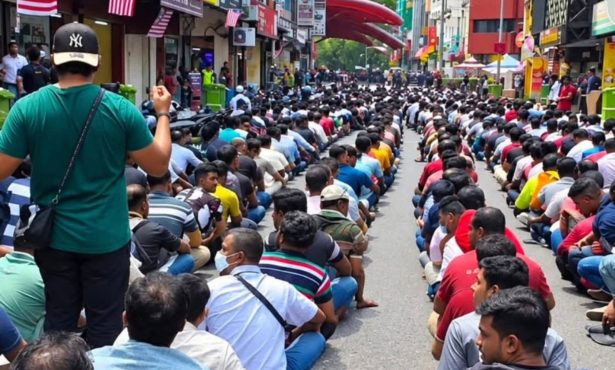
Malaysia has announced sweeping reforms to its foreign worker management framework, placing the country’s One-Stop Centre (OSC) entirely under the Ministry of Human Resources (MOHR) in a move aimed at improving governance, streamlining recruitment and reducing bureaucratic inefficiencies.
The restructuring marks one of the most significant changes to Malaysia’s foreign labour administration in recent years as the government seeks to create a more transparent, coordinated and accountable system while balancing industry demand for workers with national security and employment opportunities for Malaysians.
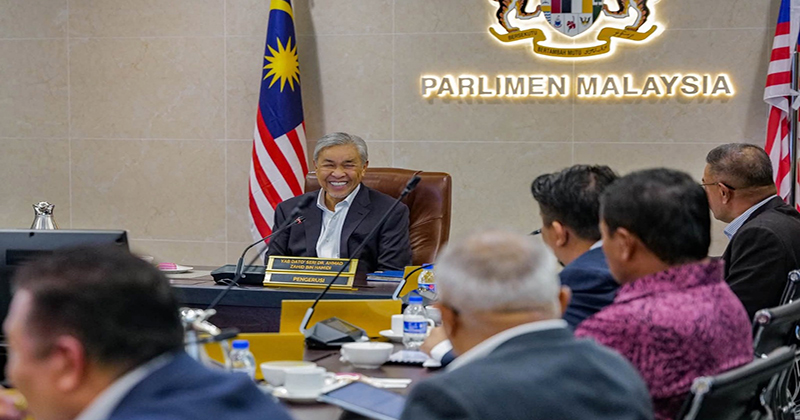
The decision was made during the Special Cabinet Committee Meeting on Foreign Workers held at Parliament on Tuesday (June 30), chaired by Deputy Prime Minister Datuk Seri Dr Ahmad Zahid Hamidi.
Following the meeting, Ahmad Zahid said the government is committed to overhauling a system that has long faced criticism over overlapping responsibilities among agencies, inconsistent procedures and weak coordination in managing the recruitment and employment of foreign workers.
Under the new framework, the Ministry of Human Resources will become the sole coordinating authority responsible for managing the One-Stop Centre, which handles matters related to foreign worker recruitment and administration.
“Our ultimate goal is to strengthen the governance of the foreign worker management system while ensuring a balance between the genuine labour needs of industries, national security and employment opportunities for local citizens,” Ahmad Zahid said in a statement shared on social media.
The reform is expected to simplify administrative procedures, improve coordination among government agencies and provide employers with a clearer and more efficient process for hiring foreign workers.
Better coordination and stronger oversight
As part of the restructuring, the government will also review the composition and Terms of Reference (TOR) of the Special Cabinet Committee on Foreign Workers to ensure it can effectively oversee future policy implementation and respond more efficiently to labour market challenges.
Officials said the review is intended to strengthen inter-agency cooperation, eliminate duplication of responsibilities and improve decision-making on foreign labour policies.
The committee will continue to play a central role in monitoring the country’s foreign worker management system while ensuring that recruitment policies remain aligned with Malaysia’s broader economic and labour market objectives.
Recruitment based on actual industry demand
A key element of the new policy is a comprehensive reassessment of Malaysia’s workforce requirements across various sectors of the economy.
The government will evaluate labour demand using verified industry data before determining future foreign worker quotas and recruitment approvals.
Rather than relying on broad estimates, future recruitment policies will be based on the actual manpower needs of individual industries, helping to ensure that foreign workers are employed only where genuine labour shortages exist.
The move is expected to improve workforce planning, reduce labour mismatches and provide greater certainty for employers in sectors that continue to depend on foreign workers, including manufacturing, construction, agriculture, plantations and selected service industries.
Reducing reliance on low-skilled foreign labour
While acknowledging the important contribution of migrant workers to Malaysia’s economy, the government reaffirmed its long-term commitment to reducing dependence on low-skilled foreign labour.
The latest reforms form part of Malaysia’s broader economic transformation strategy, which seeks to encourage automation, increase productivity and develop a more highly skilled domestic workforce.
By gradually lowering reliance on low-skilled foreign workers, the government hopes to create more employment opportunities for Malaysians while enhancing the country’s economic competitiveness.
Officials said the transition will be implemented gradually to avoid disrupting businesses that continue to face labour shortages.
Balancing economic growth and national interests
Ahmad Zahid stressed that the reforms are designed not only to improve administrative efficiency but also to protect national interests and support sustainable economic development.
He sought to reassure businesses that the policy changes would be implemented in a practical manner that addresses the legitimate labour needs of industry while strengthening governance and maintaining national security.
“The reforms will be implemented in a manner that protects national interests and ensures long-term economic sustainability,” he said.
The overhaul reflects the government’s broader effort to modernise Malaysia’s labour management system, improve transparency in foreign worker recruitment and create a more predictable regulatory environment for employers while safeguarding opportunities for the local workforce.
With the Ministry of Human Resources assuming full responsibility for the One-Stop Centre, Malaysia aims to establish a more efficient, accountable and industry-responsive foreign worker management system capable of supporting the country’s future economic growth.