Play store

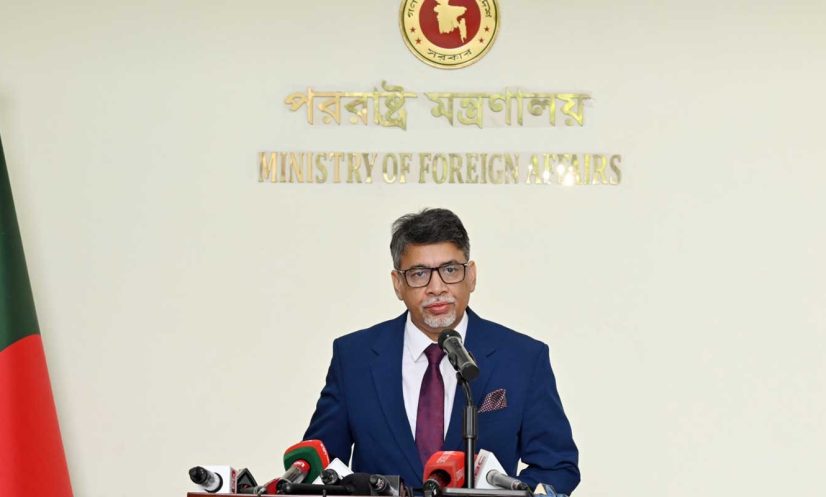
The Bangladesh government has set two conditions for creating a favourable environment for Prime Minister Tarique Rahman’s proposed visit to New Delhi, including expediting the extradition of former prime minister Sheikh Hasina and handing over the accused in the murder of Inqilab Mancha spokesperson Sharif Osman Hadi.
Foreign Ministry spokesperson A K M Shahidul Karim outlined the government’s position at a briefing in Dhaka on Sunday.
He said officials from Bangladesh and India had been discussing Tarique Rahman’s possible visit for several weeks. However, Bangladesh believes a conducive environment must be created before the visit can proceed.
“We have requested the Indian government to expedite the extradition requests for Sheikh Hasina and other fugitives under the bilateral extradition treaty, and to swiftly hand over to Bangladesh those accused of murdering Shaheed Sharif Osman Hadi,” Shahidul said. “We are awaiting their response.”
Hasina has been living in India since being ousted in the 2024 uprising. She was sentenced to death by Bangladesh’s International Crimes Tribunal over crimes against humanity committed during the crackdown on the movement.
Asked about Bangladesh’s request for Hasina’s extradition, Indian Foreign Ministry spokesperson Randhir Jaiswal recently said New Delhi was reviewing the matter through established procedures.
Meanwhile, The Indian Express reported on Sunday, citing senior Indian officials, that the extradition decision would not be taken on political or diplomatic grounds. Indian authorities would examine whether the allegations brought by Bangladesh constitute offences under Indian law.
Bangladesh has also sent documents to India seeking the return of three suspects in the Hadi murder case, including prime accused Faisal Karim Masud. Their extradition could be delayed by legal proceedings in India over alleged illegal entry into the country.
Under the extradition treaty signed between Bangladesh and India in 2013, the two countries are required to surrender accused or convicted persons in certain cases, including to enforce court-imposed sentences. The treaty excludes political offences but specifically does not classify crimes such as murder, homicide, assault and the use of firearms as political offences.
The two conditions have added uncertainty to Tarique Rahman’s proposed first visit to India. Reports had earlier suggested that he could visit New Delhi on August 22–23 and meet Indian Prime Minister Narendra Modi to discuss bilateral issues including trade, connectivity, energy, border management and regional security.
Shahidul said Bangladesh would continue efforts to strengthen friendly bilateral relations with all countries, including its neighbours, under its “Bangladesh First” policy, based on sovereign equality, national dignity, non-interference in internal affairs and mutual benefit.