


 Play store

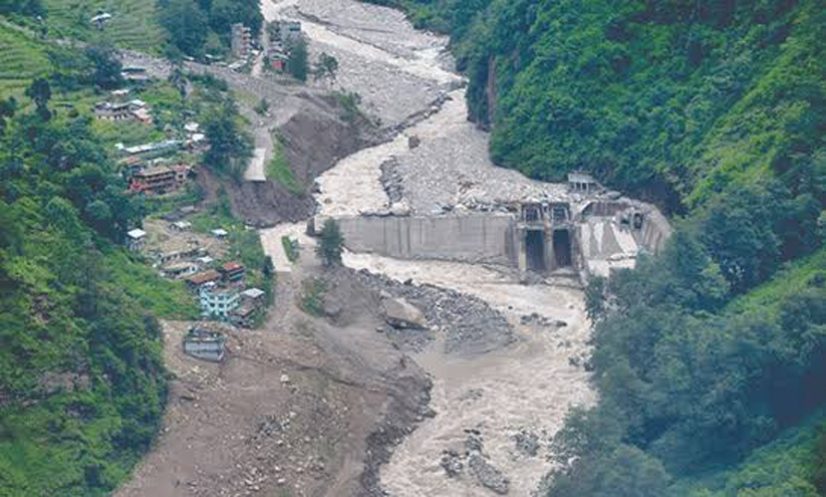
Nepal’s hydropower system, which generates a seasonal surplus during the monsoon and supplies electricity to neighbouring Bangladesh, has suffered extensive damage from devastating floods, disrupting cross-border power exports.
On August 26, flash floods swept through the Bhotekoshi and Trishuli river systems, killing at least 1,250 people as of September 3. The floods damaged 15 hydropower plants and critical transmission infrastructure, wiping out more than 750 megawatts (MW) of generation capacity, while nearly 900 hydropower workers remain missing.
The disaster has forced Nepal to halt electricity exports, including supplies to Bangladesh, according to officials in both countries.
Shaligram Bhandari, a spokesperson for Nepal’s Ministry of Energy, Water Resources and Irrigation, said the floods damaged the 22-MW Chilime and 24-MW Trishuli hydropower projects, which have stopped generating electricity. Power from the two plants had been approved for export to Bangladesh.
Nepal’s growing role as a regional hydropower exporter has highlighted both the potential and vulnerabilities of cross-border electricity trade.
Since 2024, Nepal has exported 40 MW of electricity to Bangladesh through India’s transmission network between June and November. Nepal had sought permission to export an additional 20 MW, but the request was reportedly rejected by Indian power trader NTPC Vidyut Vyapar Nigam Ltd, citing capacity constraints on the India-Bangladesh transmission line.
The issue remained unresolved despite India-Nepal energy cooperation talks in July.
The disruption comes at a difficult time for Bangladesh, which has recently faced severe electricity shortages and load-shedding. At one point, the country experienced a power shortfall of more than 3,500 MW.
Experts say electricity trade between Nepal and Bangladesh makes economic sense because the two countries have complementary seasonal energy needs. Nepal typically has surplus hydropower during the monsoon, while Bangladesh can use the additional supply to diversify its heavily fossil-fuel-dependent power sector.
Nepal had around 4.1 GW of installed generation capacity in 2025-26, compared with peak domestic demand of about 2.5 GW. Bangladesh, meanwhile, has around 32 GW of installed capacity, with about 98 per cent dependent on fossil fuels.
Shahriar Ahmed Chowdhury, director of the Centre for Energy Research at United International University, said greater cross-border electricity trade could benefit both countries.
Shafiqul Alam, lead Bangladesh energy analyst at the Institute for Energy Economics and Financial Analysis, said hydropower from Nepal and Bhutan could provide Bangladesh with cheaper electricity than many existing sources.
However, India remains a crucial link in the trade. Nepal’s electricity reaches Bangladesh through India’s transmission network, particularly the 1,000-MW Baharampur-Bheramara high-voltage interconnection.
Although Bangladesh typically receives around 920-930 MW through the link, experts caution that its nominal capacity does not necessarily mean the same amount is always available for additional imports. Technical limitations, transmission losses, peak-demand requirements and India’s own electricity exports to Bangladesh can restrict available capacity.
Nepali officials have suggested trilateral discussions among Nepal, India and Bangladesh could help resolve outstanding issues and expand regional electricity trade.
The recent floods, however, also demonstrate the need to account for climate and disaster risks as South Asia expands its cross-border energy networks.