Play store


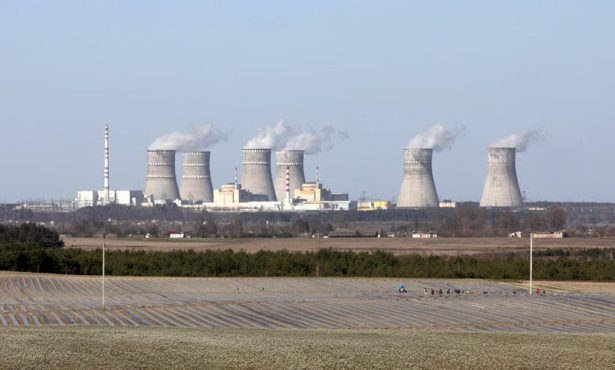
The first unit of the Rooppur Nuclear Power Plant (RNPP) in Ishwardi, Pabna, is expected to supply 300 megawatts (MW) of electricity to the national grid on a trial basis within the next eight to 10 weeks.
Project and technical sources said the facility is undergoing final-stage commissioning and safety assessments. Once the remaining tests and verifications are completed, electricity will be supplied to the grid in phases, paving the way for full commercial operation of the 1,200MW Unit-1 early next year.
The project is being implemented by the Bangladesh Atomic Energy Commission under the Ministry of Science and Technology, constructed by Russia’s Atomstroyexport, the engineering division of Rosatom, and operated by the Nuclear Power Plant Company Bangladesh Limited (NPCBL).
Energy experts estimate that commercial operation of Unit-1 could reduce fossil fuel import costs by around Tk 10 billion a month, or nearly $1 billion annually.
NPCBL Managing Director Md Zahedul Hasan said grid synchronisation procedures are expected to begin within six to eight weeks, subject to grid stability and operational readiness.
“After synchronisation, power supply will gradually increase in line with reactor capacity. Nuclear safety remains our top priority throughout commissioning,” he said.
He said around 2,300 technical evaluations had been completed successfully, adding that any anomaly detected during diagnostics would require further assessment. If all procedures proceed smoothly, the unit could start supplying power to the grid within eight to 10 weeks without compromising safety standards.
Nuclear energy specialist Prof Dr Md Shafiqul Islam said nuclear power would provide a stable baseload electricity source and reduce Bangladesh’s dependence on imported coal, oil and LNG.
He said continuous generation of 2,400MW from the two VVER-1200 units would help shield the country from global fossil fuel price volatility, shipping disruptions and pressure on foreign exchange reserves.
Transmission facilities, including the Baghabari 230kV, Bogura 400kV and Gopalganj 400kV lines, are also nearing readiness to evacuate power from the plant.
Meanwhile, Bangladesh has stepped up international consultations to accelerate its nuclear energy programme.
On Wednesday, Aug 26, Science and Technology Minister Fakir Mahbub Anam met US Secretary of Energy Chris Wright in Washington on the sidelines of the ministerial-level Atomic Technologies Licensed for Applications at Sea (ATLAS) conference.
Their discussions covered small modular reactors (SMRs), floating nuclear platforms and peaceful civil nuclear cooperation in line with the global goal of tripling nuclear capacity by 2050.
During his Washington visit, Anam also met Andrey Rozhdestvin, director general of Rosatom Energy Projects Joint Stock Company. They discussed completing the remaining engineering work at Rooppur, streamlining nuclear fuel supplies and coordinating technical preparations for grid synchronisation.
The Rosatom delegation reaffirmed its commitment to completing project milestones on schedule.