Play store


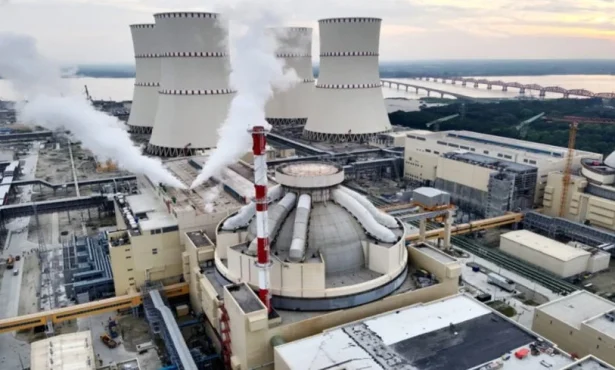
Bangladesh is integrating the Rooppur Nuclear Power Plant with the modern control and monitoring infrastructure of the national power grid as the plant moves towards electricity generation.
Under the initiative, essential information from the transmission systems of Rooppur’s two units, along with key data from the plant’s 400kV and 230kV gas-insulated switchgear (GIS) substations, will be integrated into the National Load Dispatch Centre’s (NLDC) SCADA/EMS system.
A contract for the integration was signed on September 2, 2026 between the Bangladesh Atomic Energy Commission (BAEC) and GE Vernova.
Under the agreement, data and designated critical signals from eight transmission lines associated with Units 1 and 2, as well as the 400kV and 230kV GIS substations, will be connected to the NLDC’s SCADA/EMS platform.
The integration will allow grid operators to monitor key information from Rooppur’s transmission infrastructure through the national grid’s central control system.
Why the integration matters
SCADA, or Supervisory Control and Data Acquisition, enables real-time monitoring, data acquisition and operational control of power infrastructure. An Energy Management System (EMS) uses this information to support the management and balancing of the wider electricity network.
The integration will make key information on Rooppur’s transmission infrastructure—including system status, voltage, load measurements and switching operations—available to the NLDC as electricity from the nuclear plant enters the national grid.
The technical integration is therefore an important step towards ensuring reliable transmission of electricity generated by Rooppur and supporting the plant’s commissioning and subsequent operations.
GE Vernova’s role in grid integration
GE Vernova has previously been involved in SCADA/EMS integration activities for power plants in Bangladesh.
The Ministry of Power, Energy and Mineral Resources has also supported implementing the Rooppur-NLDC SCADA/EMS integration through an agreement with GE Vernova.
GE Vernova’s annual report for its Indian operations also refers to the implementation of a SCADA/AEMS control centre in Dhaka for the Power Grid Company of Bangladesh.
Rooppur enters critical commissioning phase
Unit 1 of the Rooppur Nuclear Power Plant is currently undergoing post-fuel-loading tests and commissioning activities.
Fuel loading at Unit 1 began on April 28, 2026, and all 163 fuel assemblies were sequentially loaded into the reactor core by May 12. The project subsequently moved into further testing, instrumentation and system-verification stages.
Earlier, the Bangladesh Atomic Energy Regulatory Authority (BAERA) issued the commissioning licence required for fuel loading at Unit 1 following assessments and reviews by national and international regulatory bodies.
Recent media reports have focused on the timeline for Rooppur’s first electricity supply to the national grid. Bangladesh Post reported that Unit 1 could potentially supply 300MW to the grid on a trial basis in September, subject to completion of the remaining tests and procedures.
A September 1 report by Jago News also said discussions were underway to begin trial operations at Rooppur in September, with the plant expected to move towards full-scale generation the following year.
Preparing for first nuclear electricity
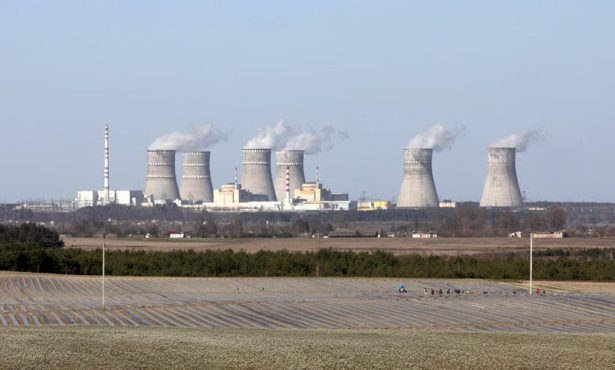
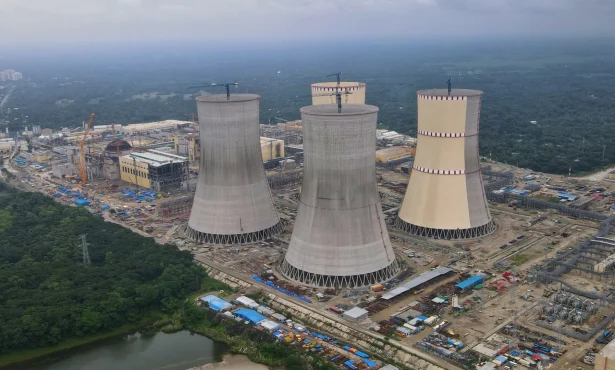
The Rooppur project consists of two VVER-1200 units with a combined installed capacity of 2,400MW.
Following fuel loading at Unit 1, the commissioning process involves bringing the reactor to its minimum controllable power level, gradually increasing power and conducting extensive tests of the plant’s systems.
Science and Technology Minister Fakir Mahbub Anam told parliament that the Rooppur project had entered the commissioning and startup phase. He said Stage-B activities for Unit 1 included fuel loading and physical startup, along with reactor and primary-circuit testing, safety verification and sub-criticality testing.
At this stage, integrating Rooppur with the national grid control centre is intended to ensure that critical transmission-system information is available to grid operators.
The capability will become increasingly important as the plant progresses from commissioning to commercial operation.
Integration to be completed urgently
Project-related information indicates that the SCADA/EMS integration needs to be completed urgently to maintain Rooppur’s scheduled commissioning and operational timeline.
For a nuclear power plant, starting the reactor is only one part of the process. Reliable delivery of electricity to the national grid also requires coordinated readiness across transmission infrastructure, protection systems, control centres and communications networks.
The integration of Rooppur’s eight transmission lines and critical information from its 400kV and 230kV GIS substations into the NLDC’s SCADA/EMS system will therefore be a key technical step in preparing Bangladesh’s first nuclear power plant for grid-connected operation.