Play store

Arab-led parties could play a decisive role in forming Israel’s next government after the inconclusive general election left both Prime Minister Benjamin Netanyahu’s bloc and the opposition short of a parliamentary majority.
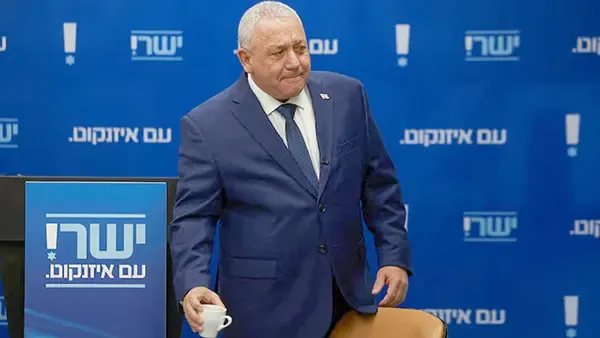
Preliminary results showed Netanyahu’s right-wing bloc securing 53 seats in the 120-member Knesset, while the opposition bloc led by former military chief Gadi Eisenkot won 48 seats.
Arab-led parties were projected to secure 19 seats. A minimum of 61 seats is required to form a majority government. Reuters +1
The results have placed Arab parties in a pivotal position, although both Netanyahu and Eisenkot have expressed reservations about forming alliances with them.
The Joint List and the United Arab List (Ra’am) have indicated they could use their parliamentary strength to influence the formation of the next government.
While some Arab leaders are open to supporting an opposition-led administration, others may prefer to back it from outside a governing coalition.
The election also saw strong turnout among Palestinian citizens of Israel, who account for around 21 per cent of the country’s population, increasing their potential influence on the political balance.
President Isaac Herzog is expected to consult political parties before deciding whom to nominate to form the next government.
If coalition negotiations fail, Israel could face another election.