Play store

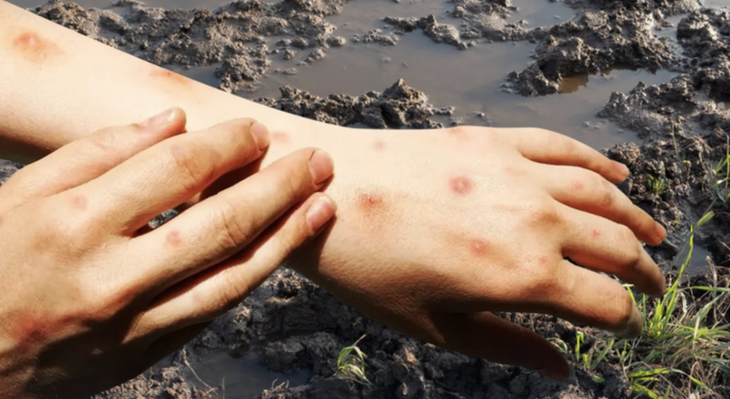
At least 45 people have died and 570 others have been infected with melioidosis, commonly known as soil fever, in four provinces in northeastern Thailand so far this year, health officials have warned.
Authorities have urged farmers and residents to take precautions against infection from contaminated soil and water, Thai media outlet Khaosod reported.
Dr Sailak Phimkho, director of the Office of Disease Prevention and Control 9 in Nakhon Ratchasima, said on Thursday that the figures covered the period from January 1 to October 22, 2026.
Buriram recorded the highest number of infections, with 245 cases and 12 deaths. Surin reported 139 cases and 11 deaths, followed by Nakhon Ratchasima with 136 cases and 17 deaths, and Chaiyaphum with 50 cases and five deaths.
People aged 65 and above accounted for the largest number of infections, followed by those aged 55–64 and 45–54.
The health office warned that prolonged rainfall and flooding increase the risk of infection by exposing people to wet soil, mud and contaminated water.
Melioidosis is caused by the bacterium Burkholderia pseudomallei, which naturally occurs in soil and water. The bacteria can enter the body through cuts or other breaks in the skin, through inhalation of contaminated dust or particles, or by consuming contaminated water or food.
Farmers and people cleaning their homes after floods have been urged to take extra precautions because of their increased exposure to soil and water.
Health officials advised people to avoid direct contact with potentially contaminated soil and water whenever possible.
Those working in fields or cleaning flood-affected areas should wear protective equipment, including rubber boots, gloves, long trousers and suitable waterproof clothing.
The office also advised people with open wounds to avoid contact with soil and water until the wounds have completely healed.