Play store

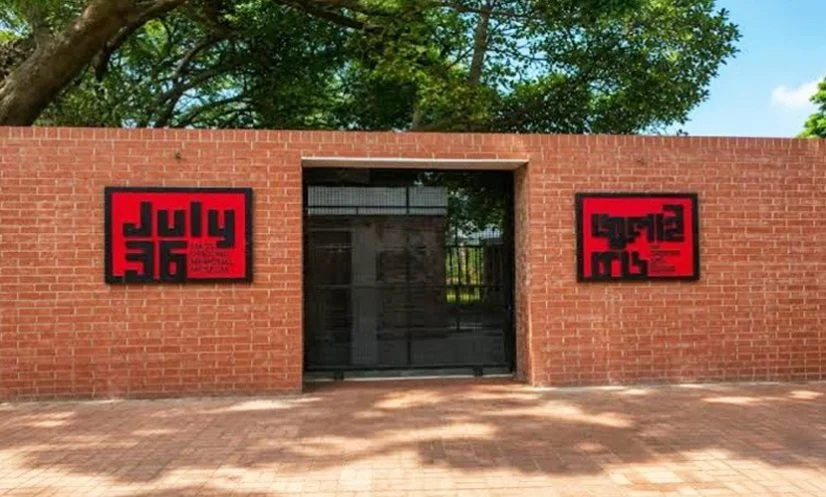
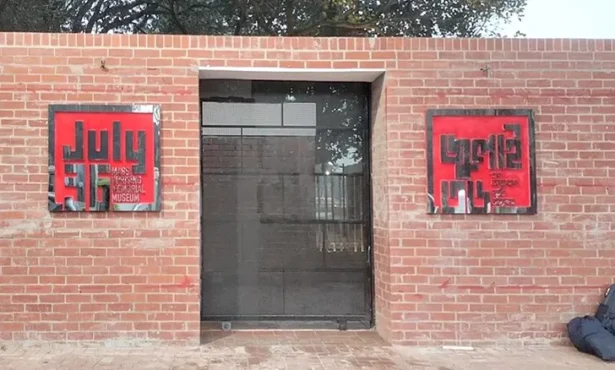
The July Mass Uprising Memorial Museum, built to preserve the memory, sacrifices, and historic legacy of the July 2024 movement, has been officially opened to the public from Thursday.
The museum was inaugurated a day earlier by Prime Minister Tarique Rahman, though Wednesday’s ceremony was limited to invited guests and family members of those who were killed during the uprising.
Located in the capital’s Sher-e-Bangla Nagar, the museum has been developed by transforming the former prime minister’s official residence, Ganabhaban, across a 17-acre area.
Visitors are required to book tickets online in advance. Ticket prices have been set at Tk 50 for local adults and Tk 20 for children, while SAARC citizens will pay Tk 500 and other foreign visitors Tk 2,000.
According to officials, visitors can register through the “July 36” website to select convenient time slots. The museum will remain open daily from 10:00am to 6:00pm. To maintain order and avoid overcrowding, entry to the main building is limited to 900 visitors per day, divided into three time-based slots.
Due to overwhelming interest, tickets for all slots until August 9 have already been fully booked, with new bookings reopening from August 10.
The museum preserves the historic structures and legacy of Ganabhaban while incorporating curated exhibitions. At the entrance, a red-brick pathway lined with fruit trees leads visitors through a display titled “The Long Journey to Democracy,” showcasing Bangladesh’s political history from independence to the 2024 uprising.
A prominent circular white marble monument named the “July Memorial” stands near the main gate, engraved with the names of martyrs and designed to resemble a symbolic graveyard. Across the open ceremony, several sculptures depict key moments of the movement, including injured protesters, student marches, and scenes of violence and resistance.
Dedicated installations also commemorate events such as the Pilkhana killings, the Shapla Square incident, enforced disappearances, and the role of women protesters.
On the southern side, a symbolic detention chamber inspired by the controversial “Aynaghar” has been constructed to give visitors a sense of the dangerous experienced by victims.
Inside the two-storey main building, the ground floor houses historical documents, photographs, video footage, and artefacts from the former residence. A large digital spherical display presents documentaries and visual narratives.
A damaged meeting room from the uprising has been preserved under glass, allowing visitors to walk over it and witness the scene.
The upper floor features personal belongings of martyrs, including clothing, books, and everyday items, along with the bloodstained clothes of martyr Abu Ishaq. A 360-degree immersive digital room recreates day-by-day events of the uprising.
After touring the main building, visitors can spend time in the open grounds, beside a calm pond, or at the cafeteria. Tickets will also be available from on-site counters, subject to availability.
The opening of the museum marks a significant step in preserving the history and spirit of the July Mass Uprising for future generations.