


 Play store

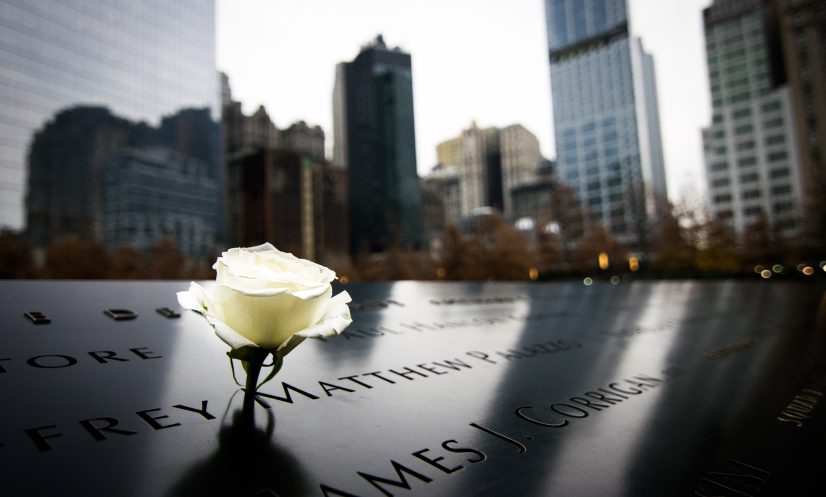
Twenty-five years after the September 11, 2001 attacks, the world is far more heavily equipped to detect and prevent terrorist plots, but the threat has not disappeared.
The attacks, carried out by 19 al-Qaeda hijackers, killed nearly 3,000 people and triggered the US-led “war on terror”, including the invasion of Afghanistan and later the Iraq war. Governments around the world subsequently strengthened intelligence-sharing, border controls, aviation security and counter-terrorism laws.
The campaign dealt major blows to al-Qaeda. Osama bin Laden was killed by US forces in Pakistan in 2011, while his successor Ayman al-Zawahiri was killed in 2022.
However, al-Qaeda survived by becoming more decentralised and developing affiliates across Africa, the Middle East and South Asia.
The rise of Islamic State also transformed the militant landscape, with the group inspiring attacks far beyond its former territorial strongholds.
Terrorist organisations have increasingly relied on decentralised networks, online propaganda and lone actors rather than large-scale operations such as 9/11.
The post-9/11 security drive has also come with significant costs. Expanded surveillance powers, military interventions and tougher immigration and security policies have sparked long-running debates over civil liberties, Islamophobia and the balance between security and individual rights.
So, has the world become safer? In some respects, yes: the massive security and intelligence infrastructure built after 9/11 has made another attack on the scale of 2001 much harder.
But terrorism has evolved rather than disappeared, and experts warn that complacency, shifting priorities and weakened counter-terrorism capabilities could create new vulnerabilities.
The central lesson after 25 years is therefore mixed: the world is better prepared for the kind of threat that emerged on 9/11, but the nature of terrorism itself has changed—and the struggle against it is far from over.