Play store

Bangladesh Railway recorded a notable rise in revenue in the 2025–26 fiscal year, but its income continued to fall short of expenditure despite a modest improvement in financial efficiency.
According to an official press release issued Sunday, the state-run railway earned Tk 2,066.38 crore in FY26, marking an increase of Tk 221 crore from Tk 1,845 crore in the previous fiscal year.
However, total operating expenditure—including salaries, allowances, pensions, and maintenance of tracks and rolling stock—reached Tk 3,955 crore. This resulted in an expenditure-to-income ratio of 1.91, slightly improved from 2.09 in FY25.
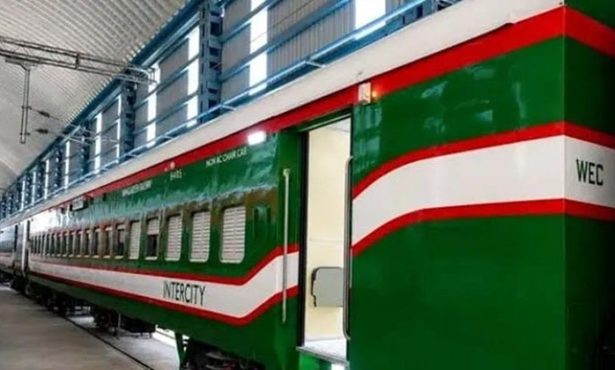
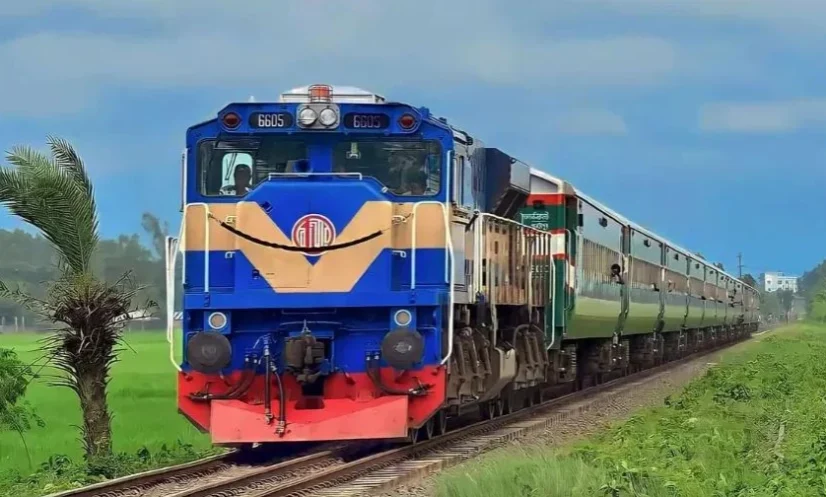
Passenger services remained the main driver of growth, generating an additional Tk 256 crore in revenue. In contrast, freight earnings declined by Tk 8.34 crore due to a shortage of locomotives, while income from transport and commercial activities, such as bidding licences, dropped by Tk 24.34 crore.
On a positive note, revenue from land and property increased by Tk 3 crore, and leasing of optical fibre infrastructure added Tk 11.52 crore.
Railway authorities argued that the annual pension burden of around Tk 1,000 crore should not be counted as operational expenditure. Excluding pensions, total spending stands at Tk 2,955 crore, bringing the operating ratio down to 1.43—still indicating a 43% gap between income and non-pension expenditure.
The authority also noted that train fares have remained unchanged since 2016, while costs for fuel, imported materials, maintenance, salaries, and pensions have risen steadily due to inflation and exchange rate pressures.
Officials said a rational fare adjustment aligned with market conditions could significantly reduce the gap between income and expenditure, adding that it would be unfair to label Bangladesh Railway as a loss-making entity under the current pricing structure.