


 Play store

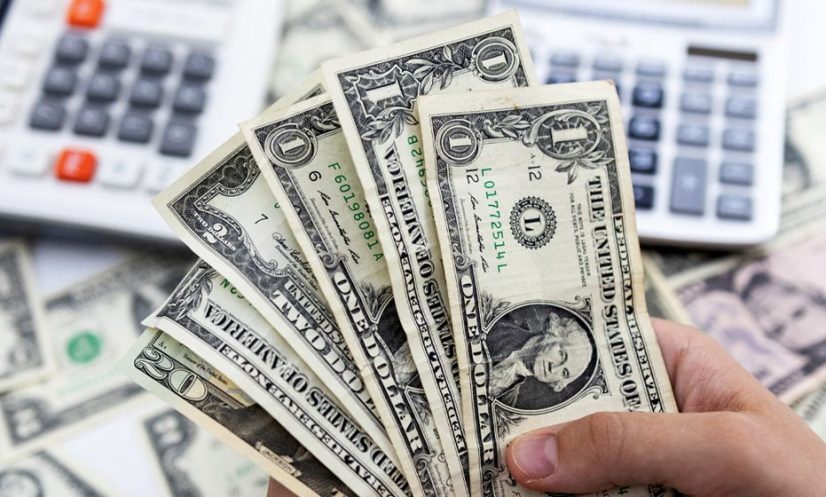
Bangladesh’s foreign exchange market has once again become volatile, with the US dollar rising by nearly Tk 1 in a month to trade at around Tk 124.
The increase has been attributed partly to rising import payments and pressure from foreign loan repayments.
However, the Bangladesh Bank has described the recent movement as temporary and expects the exchange rate to stabilise soon.
Businesses fear that a further rise in the dollar’s value could fuel inflation and create additional pressure on the broader economy.
Economists, meanwhile, have called for an investigation into whether any market manipulation is contributing to the increase.
The rise in the dollar has also raised questions as it comes despite strong remittance inflows and an increase in the country’s foreign exchange reserves.
Bangladesh Bank Executive Director Arif Hossain Khan said that although the country received record remittances in the last fiscal year, the trade deficit had also widened.
During the first 11 months of the 2025-26 fiscal year, Bangladesh imported goods worth $64 billion, while exports stood at $40 billion, resulting in a trade deficit of nearly $24 billion—around $4.5 billion higher than in the previous fiscal year.
Business leaders said the higher dollar rate would increase import costs, potentially pushing up the prices of goods and adding to inflationary pressures.
They called for effective and timely measures by the central bank to stabilise the foreign exchange market.