Play store

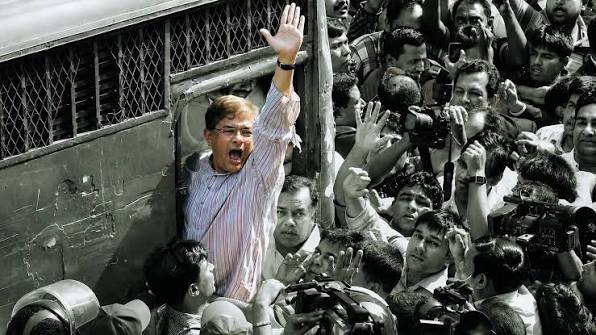
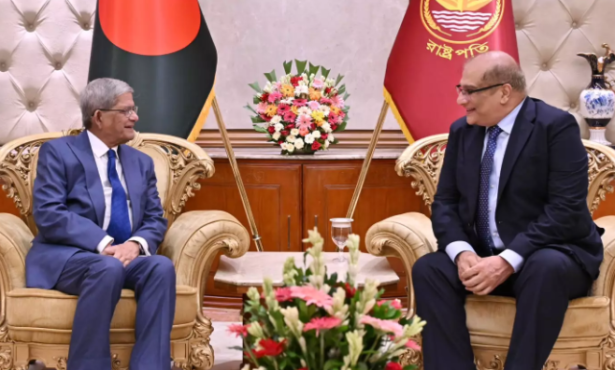
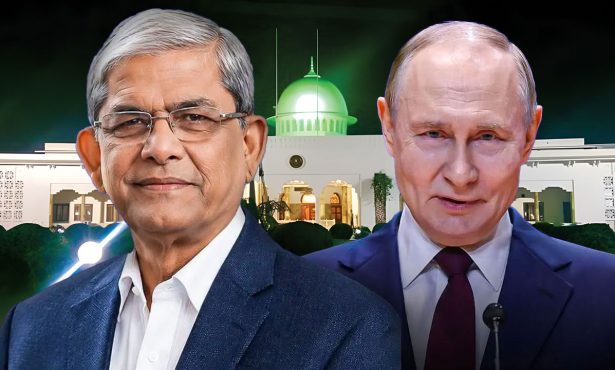
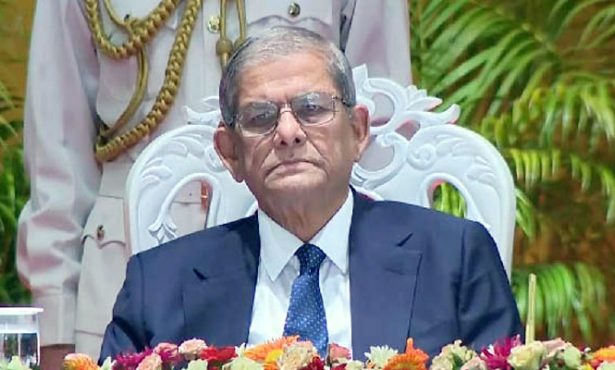
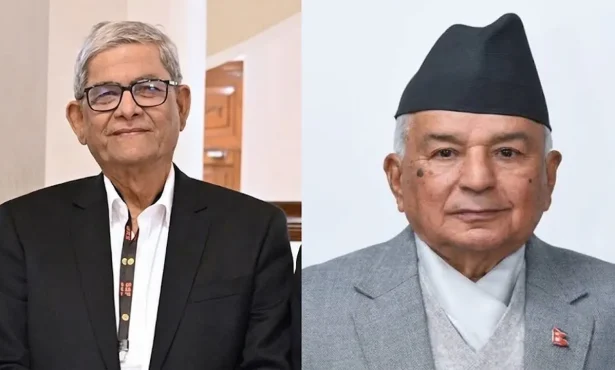
Mirza Fakhrul Islam Alamgir, one of Bangladesh’s most experienced politicians, has reached the country’s highest constitutional office after a political journey spanning more than five decades.
The veteran BNP leader was elected the 23rd President of Bangladesh on Thursday, becoming the first president chosen in a contested presidential election in 35 years.
Early Life and Family
Born on January 26, 1948, in Thakurgaon, Fakhrul grew up in the Kalibari area of the town. His father, Mirza Ruhul Amin, was a lawyer, politician and several-time member of parliament who later served as a minister in the Ershad government. His mother was Mirza Fatema Amin. Fakhrul was raised in a politically active family, with several relatives also involved in public life.
His uncle Mirza Ghulam Hafiz was a prominent BNP politician who served as a minister and Speaker of Parliament.
Another uncle, Wing Commander S R Mirza, was associated with the Mujibnagar government during the Liberation War and was involved in organising training facilities for freedom fighters. His younger brother Mirza Faisal Amin has also been involved in politics and has served as Thakurgaon district BNP general secretary and mayor of Thakurgaon municipality.
Education and Student Politics
Fakhrul completed his early education in Thakurgaon before studying at Dhaka College. He later studied economics at the University of Dhaka, where he obtained his bachelor’s and master’s degrees. His political involvement began during his university years in the 1960s.
As a student, he joined the East Pakistan Students Union and became secretary general of its SM Hall unit at Dhaka University. During the mass uprising against the Ayub Khan regime in 1969, he rose to become president of the organisation’s Dhaka University unit. He was also arrested and imprisoned for his political activities during that period.
Teaching and Government Service
Rather than immediately entering electoral politics after independence, Fakhrul began his professional life as an economics lecturer. In 1972, he joined the Bangladesh Civil Service Education Cadre and taught at Dhaka College and other government colleges.
He subsequently held several government responsibilities, including serving as a deputy director at the Directorate of Inspection and Audit and working with the UNESCO National Commission of Bangladesh. In the late 1970s, he served as private secretary to then Deputy Prime Minister S A Bari during President Ziaur Rahman’s administration. He returned to teaching after Bari resigned in 1982.
From Local Politics to BNP
Fakhrul resigned from government service in 1986 and entered full-time politics. In 1988, he was elected chairman of Thakurgaon municipality as an independent candidate. His formal association with the BNP came in the early 1990s during the anti-Ershad movement. In 1992, he became president of the Thakurgaon district BNP, beginning his steady rise through the party hierarchy.
His political career was not without setbacks. He contested the 1991 parliamentary election but was unsuccessful. He later won the Thakurgaon-1 seat in the 2001 parliamentary election as a BNP candidate, defeating Awami League politician Ramesh Chandra Sen.
Ministerial Career
After the BNP formed the government in 2001, Fakhrul joined Prime Minister Khaleda Zia’s cabinet as State Minister for Agriculture. In November 2005, he was given responsibility for the Ministry of Civil Aviation and Tourism. He served in the government until the BNP’s term ended in 2006. He contested the 2008 parliamentary election but lost.
Rise to BNP’s Top Leadership
Fakhrul’s most influential political role came after his return to the BNP’s central leadership. At the party’s fifth national council in 2009, he became Senior Joint Secretary General. Following the death of BNP Secretary General Khandaker Delwar Hossain in 2011, Fakhrul became acting secretary general.
On March 30, 2016, he was appointed BNP secretary general, a position he has held for a decade. During years of intense political confrontation and legal pressure on the party, Fakhrul became one of the BNP’s principal public faces and a key spokesman for its political positions.
His political career also included arrests, court cases and periods of detention.
Nevertheless, he remained at the centre of the BNP’s organisational and political activities through a particularly turbulent period in Bangladesh’s politics.
Political Struggle and Imprisonment
Mirza Fakhrul Islam Alamgir’s political career has been marked by repeated confrontation with ruling governments, particularly during the Awami League’s long tenure in office.
As BNP secretary general, he emerged as one of the party’s principal voices against the government and was frequently involved in protests, political programmes and campaigns demanding free and fair elections.
During the Awami League government, Fakhrul faced several arrests and periods of detention in connection with cases filed over political demonstrations and alleged violence. He was detained at different times as the BNP intensified its movement against the government’s electoral arrangements and demanded the restoration of a non-party election-time administration.
One of the most significant episodes came in 2013, when Fakhrul was arrested during a period of heightened political tension. He was also repeatedly arrested in subsequent years as the BNP organised strikes, blockades and other programmes. He spent periods in jail while facing multiple cases, although he consistently denied the allegations against him and described the cases as politically motivated.
In October 2023, following a BNP rally in Dhaka, Fakhrul was arrested and remained in custody for several months. His detention drew strong criticism from the BNP, which said the government was using legal cases and arrests to suppress the opposition. He was eventually released on bail in February 2024.
Throughout these years, Fakhrul maintained a comparatively moderate public tone while defending his party’s political demands. His repeated arrests and continued leadership despite legal pressure strengthened his image within the BNP as a senior leader who remained active through prolonged political adversity.
A Trusted Figure in BNP
Fakhrul’s long political career and relatively moderate public style helped establish him as one of the BNP’s most recognisable leaders. Unlike some of the party’s more confrontational figures, he has often been seen as a politician capable of communicating the party’s position in measured language.
After the BNP returned to power, Fakhrul served as Minister for Local Government, Rural Development and Cooperatives, while retaining his position as BNP secretary general. Prime Minister Tarique Rahman subsequently nominated him as the party’s presidential candidate.
Marriage and Family
Fakhrul is married to Rahat Ara Begum, who studied at the University of Calcutta and has worked in an insurance company in Dhaka. The couple have two daughters, Mirza Shamaruh and Mirza Safaruh.
Shamaruh studied at the University of Dhaka and previously taught there. She later pursued an academic and scientific career abroad. Safaruh is also a University of Dhaka graduate and has worked as a teacher in Dhaka. Fakhrul has generally kept his immediate family away from the frontline of partisan politics.
From Opposition Leader to President
Fakhrul’s election marks the culmination of an unusually long political journey—from a student activist in the 1960s and an economics teacher in the 1970s to a municipal chairman, parliamentarian, state minister, BNP secretary general and, ultimately, President of Bangladesh.
In Thursday’s presidential election, Mirza Fakhrul Islam Alamgir has been elected Bangladesh’s 23rd president, securing 255 votes. His rival, Col (retd) Oli Ahmed Bir Bikram, chairman of the Liberal Democratic Party (LDP) and candidate of the 11-party alliance led by Jamaat-e-Islami, received 88 votes.
Voting was held from 2pm to 5pm in the chamber of the Jatiya Sangsad Bhaban. A total of 349 MPs were eligible to vote. The election was held after a gap of 35 years, marking the first direct parliamentary presidential election since 1991.
Acting President Hafiz Uddin Ahmed Bir Bikram, Acting Speaker Barrister Kaiser Kamal, Prime Minister and Leader of the House Tarique Rahman, and Mirza Fakhrul were among those who cast their votes.
Chief Election Commissioner A M M Nasir Uddin served as the election officer, assisted by 20 officials appointed by the Election Commission.
At 78, Fakhrul enters Bangabhaban carrying the experience of Bangladesh’s streets, classrooms, Parliament and opposition politics. His transition from a long-serving partisan leader to the country’s constitutional head will now place him in a fundamentally different role—one requiring him to represent the state above party politics and uphold the constitutional responsibilities of the presidency.