


 Play store


Ahmadul Kobir, Malaysia: Remittances from expatriate Bangladeshis are among the key drivers of the country’s economy, but the government now wants to make greater use of the knowledge, skills, experience and investment capacity of Bangladeshis living abroad to accelerate national development.
For this reason, Bangladesh wants to move beyond the traditional concern over “brain drain” and promote what it describes as “reverse drain”, Public Administration Adviser to the Prime Minister and BNP Standing Committee member Md Ismail Zabiullah has said.
He urged Bangladeshi professionals, entrepreneurs and businesspeople in Malaysia to invest in Bangladesh and return home with the expertise and experience they have gained abroad.
Zabiullah made the remarks as the chief guest at an exchange meeting organised by BNP Malaysia and its affiliated and associate organisations in Kuala Lumpur on Saturday.
He said the government had created a favourable environment for investment and made attracting investment and strengthening the country’s economic foundation among its key priorities.
He called on Malaysian investors, Bangladeshi expatriate businesspeople, successful entrepreneurs and new investors to consider substantial investments in Bangladesh.
“The government will provide all-out support to the strong Bangladeshi business community and young entrepreneurs based in Malaysia so that they can participate in new economic activities and expand their investments in Bangladesh,” he said.
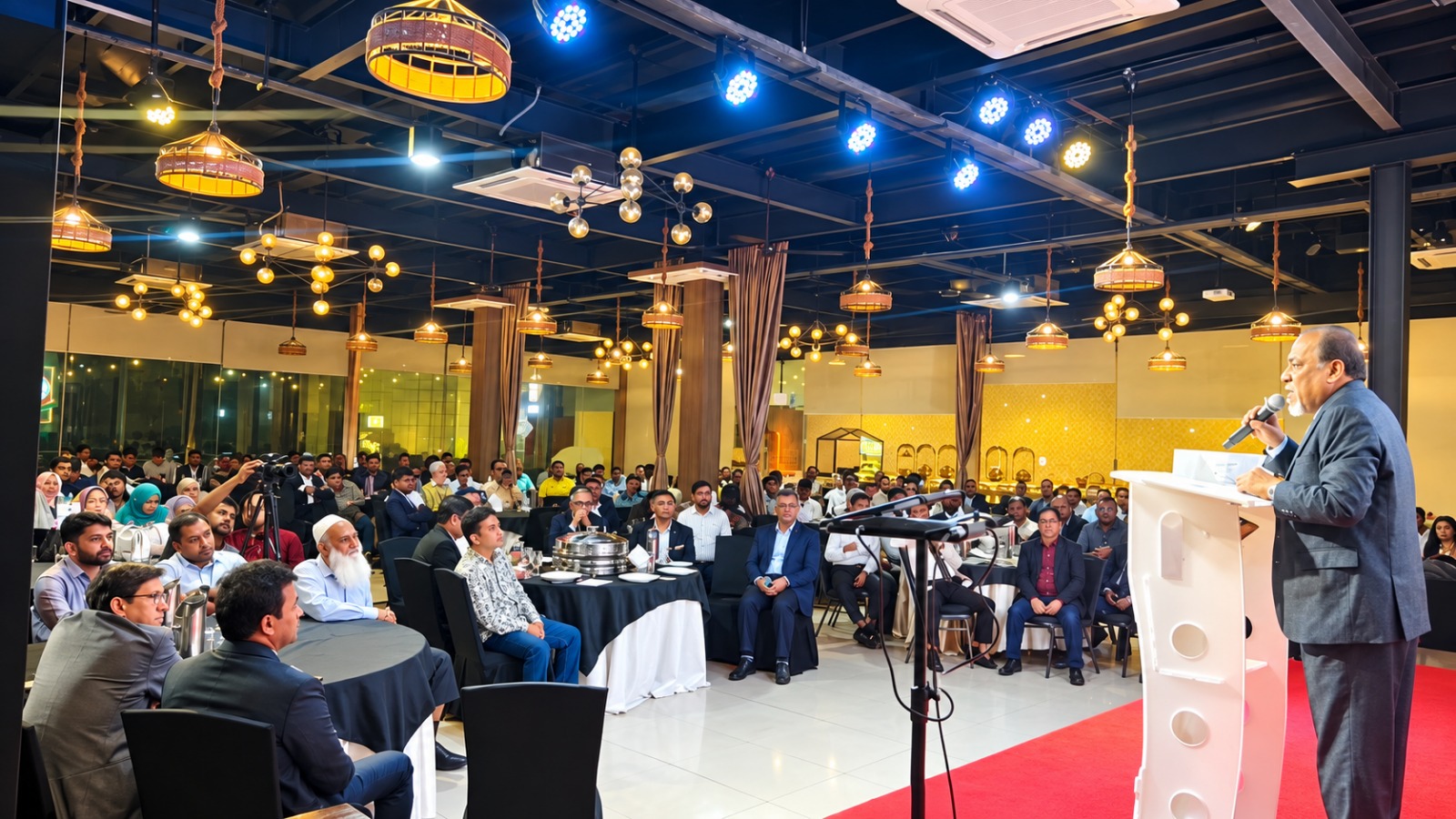
Zabiullah said more than 1.5 million Bangladeshis were working in Malaysia, ranging from migrant workers to academics, technologists, doctors, engineers, IT specialists, entrepreneurs and businesspeople.
Their knowledge, professional experience and expertise could make an important contribution to Bangladesh’s development, he said.
Calling on expatriate professionals to return and contribute to national development, Zabiullah said, “We want reverse drain. The experience that talented and skilled Bangladeshis are gaining while working abroad should be utilised for the development of the country.”
He said Bangladesh’s overseas employment drive began with the dispatch of skilled workers to the Middle East during the tenure of the late President Ziaur Rahman.
Today, more than 10 million Bangladeshis are working in different countries, he said, adding that their hard work and remittances were making an important contribution to the national economy.
“Remittances sent by expatriate Bangladeshis are one of the main driving forces of our economy. Their contribution to the country’s economic development and progress is immensely important,” he said.
“It is our responsibility to properly recognise their labour and sacrifice and ensure their welfare.”
Highlighting government initiatives for expatriate Bangladeshis, Zabiullah said BNP’s election manifesto had included commitments to ensuring voting rights for expatriates and introducing various welfare-oriented measures.
The manifesto also included plans to introduce an “Expatriate Card” and build a trillion-dollar investment-based economy, he said.
The government has taken an initiative to introduce the Expatriate Card to strengthen and institutionalise the relationship between the state and Bangladeshis living abroad, Zabiullah said, adding that a pilot programme had also been announced.
He said measures had been taken to reduce harassment of expatriates at airports and ensure easier, safer and more dignified services.

A policy decision has also been taken to provide Expatriate Card holders with priority check-in and boarding facilities, as well as access to the Balaka Lounge, he said.
The government has also taken initiatives to create separate housing and investment opportunities for expatriates, beginning in Sylhet and gradually expanding the programme to other parts of the country, Zabiullah said.
He said the government, under the leadership of Prime Minister Tarique Rahman, was working to build a modern, efficient and people-oriented Bangladesh.
Alongside making investment easier for expatriates, the government would create opportunities for young people to access world-class education, employment and entrepreneurship opportunities at home, he said.
Zabiullah said Prime Minister Tarique Rahman had set a vision of transforming Bangladesh into a trillion-dollar economy by 2034.
He said expatriate Bangladeshis could play an important role in achieving the goal through their investment, talent, knowledge and international experience.
At the meeting, Bangladeshi academics, researchers, technologists and women entrepreneurs living in Malaysia, as well as leaders of BNP-affiliated and associate organisations, raised various problems and expectations concerning expatriate Bangladeshis.
They called for effective government measures to improve employment and working conditions for Bangladeshi workers in Malaysia, simplify passport and other consular services, and address issues affecting the interests of expatriate Bangladeshis.
Bangladesh High Commissioner to Malaysia Manjurul Karim Khan Chowdhury, BNP Malaysia President Engineer Badlur Rahman Badal, Senior Vice-President Mahbub Alam Shah, General Secretary Mosharraf Hossain and Vice-President Talha Mahmud, along with representatives of various affiliated and associate organisations, women entrepreneurs, academics and student representatives, spoke at the meeting.
Officials of the Bangladesh High Commission, leaders of BNP Malaysia and its affiliated and associate organisations, and members of the Bangladeshi community were also present.