Play store

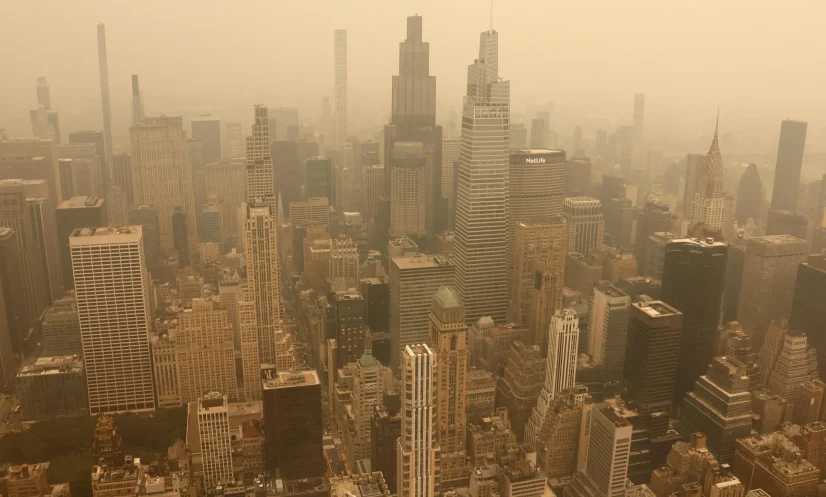
The 2026 FIFA World Cup final between Spain and Argentina at the open-air Meadowlands Stadium in the New Jersey–New York area will go ahead under close monitoring as smoke from massive Canadian wildfires continues to affect air quality across parts of the northeastern United States.
Around 80,000 fans are expected to attend Sunday’s showpiece event, while air quality alerts remain in effect in several US states as smoke from hundreds of wildfires in Canada drifts south. Although authorities say current conditions do not pose an immediate threat, organisers are keeping a close watch on the situation.
Wildfire smoke contains fine particulate matter that can reduce visibility and pose health risks, particularly for people with respiratory or heart conditions and those spending extended periods outdoors. The smoke affecting the region originates largely from Ontario, where more than 200 wildfires remained out of control as of Friday.
Canada’s 2026 wildfire season has intensified rapidly, with about 2.8 million hectares burned so far this year—almost double the area reported just a week earlier. While the season has not yet exceeded the record-breaking fires of 2023, experts warn that conditions remain highly volatile.
FIFA said on Friday that the current air quality does not threaten the World Cup final and confirmed it is working closely with the US National Weather Service to monitor developments. Andrew Giuliani, executive director of the White House World Cup Task Force, said weather experts are stationed at FIFA headquarters to provide continuous updates, ensuring organisers are prepared should conditions change.
The issue has also attracted attention at the highest political level, with US President Donald Trump scheduled to meet FIFA President Gianni Infantino to discuss the situation surrounding the final.
Weather experts, however, remain cautious about forecasting conditions for match day. Peter Mullinax of the National Weather Service said air quality is expected to improve compared with earlier in the week, suggesting the smoke should have less impact on Sunday’s match. However, Maryland air quality forecaster Joel Dreessen warned that changing wind patterns and weekend storm systems could shift smoke back into the region, making forecasts uncertain.
The World Cup has already faced several weather-related challenges. Earlier in the tournament, matches involving Mexico were disrupted by thunderstorms, causing delays and raising concerns over scheduling. In addition, an intense heat dome pushed temperatures above 43 degrees Celsius in several host cities, prompting organisers to implement additional safety measures for players and spectators.
Scientists say Canada’s increasingly severe wildfire seasons are being driven by warmer temperatures and prolonged dry conditions, which allow fires to spread faster and burn longer. Environmental experts also argue that the growing frequency of wildfire smoke events highlights the need for stronger action to reduce greenhouse gas emissions and address climate change.
For now, FIFA has indicated that the World Cup final will proceed as scheduled. Tournament officials will continue to monitor air quality and weather conditions in consultation with meteorological and public health authorities, with contingency plans in place should conditions worsen before kickoff.