


 Play store

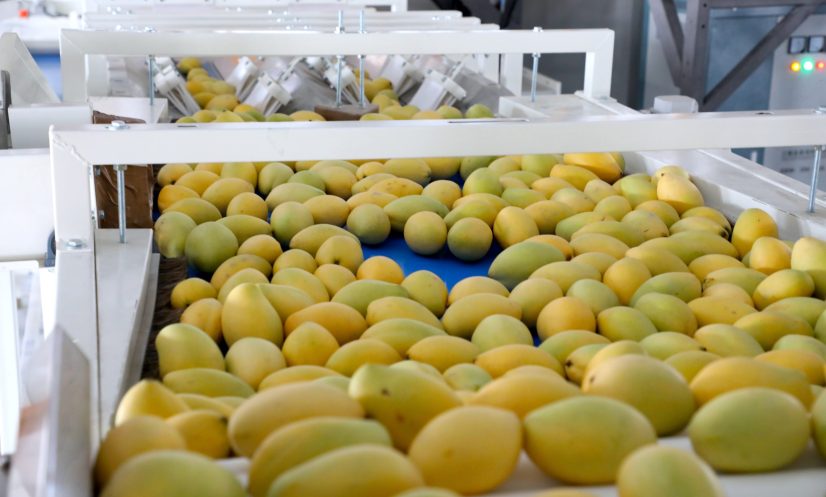
Bangladesh showcased its premium mango varieties and value-added mango products at a special festival in Kathmandu on July 26, highlighting the country’s growing potential in agricultural exports and seeking to strengthen trade ties with Nepal.
The Bangladesh Embassy in Kathmandu organized the “Bangladesh Mango Delicacy” festival at Utsav Kunj Banquet Hall, bringing together around 250 guests, including fruit importers, traders, business leaders, diplomats, senior Nepali government officials, representatives of chambers of commerce and members of the media.
The event featured an extensive display of Bangladesh’s late-season mango varieties alongside a wide range of processed mango products, offering visitors an opportunity to experience the country’s rich agricultural heritage and modern agro-processing industry.
Speaking at the festival, Bangladesh Ambassador to Nepal Md Shafiqur Rahman described mango as much more than a fruit, calling it an integral part of Bangladesh’s culture, heritage, tradition and agricultural identity.
He said Bangladesh has made remarkable progress in horticulture and agro-processing, producing internationally acclaimed mango varieties such as Khirsapat (Himsagar), Haribhanga, Langra, Fazli, Gopalbhog, Amrapali, Ashwina, Katimon, Gauramoti and BARI mangoes, which are widely appreciated for their sweetness, aroma, nutritional value and superior quality.
Recalling the history of mango cultivation in the greater subcontinent during the Mughal era, the ambassador noted that Bangladesh’s fertile alluvial plains and favorable climate make it home to some of the world’s finest mangoes.
He also highlighted the contribution of Bangladeshi scientists and researchers in developing several late-season mango varieties, including BARI varieties and improved non-indigenous cultivars, extending the country’s mango production season and creating new export opportunities.
The ambassador said Bangladesh has also built a thriving mango-processing industry, producing premium products such as mango juice, nectar, pulp, jams, jellies, pickles, chutneys, dried mangoes, candies, fruit bars and desserts that comply with international quality and food safety standards.
SAARC Secretary-General Md Golam Sarwar, who attended the event as the guest of honour, said South Asia has enormous potential in mango production but exports from the region remain relatively limited.
He called for greater regional cooperation in agriculture and praised the Bangladesh Embassy’s initiative to promote agricultural products and expand trade opportunities among SAARC member states.
Representing Nepal’s Ministry of Foreign Affairs, Joint Secretary Gahendra Rajbhandari described the festival as an innovative example of “mango diplomacy” that strengthens friendship and people-to-people ties between Bangladesh and Nepal.
He appreciated the embassy for promoting not only Bangladesh’s agricultural products but also its culture, hospitality and goodwill, saying such initiatives can create new avenues of cooperation despite evolving diplomatic challenges.
The exhibition displayed fresh mangoes from Rajshahi, including Fazli, Amrapali, BARI-4, Katimon, Gauramoti and Ashwina, alongside processed products such as mango juice, pickles, dried mango, chutney, jam, jelly and fruit bars manufactured by Bangladeshi companies.
Guests also enjoyed a variety of mango-based desserts, including mango cakes, mango sticky rice and mango pudding, while documentary films highlighting Bangladesh’s mango cultivation, tourism and cultural heritage were screened throughout the event.
Adding a practical dimension to the festival, Bangladeshi mango grower Rofiqul Islam shared his experience of cultivating mangoes under Good Agricultural Practices (GAP) for more than 15 years. He explained how modern cultivation methods supported by the Department of Agricultural Extension have improved fruit quality, productivity and export readiness.
The festival served as both a cultural celebration and a trade promotion platform, underscoring Bangladesh’s ambition to expand exports of fresh fruits and processed agricultural products while strengthening economic and commercial relations with Nepal.