Play store

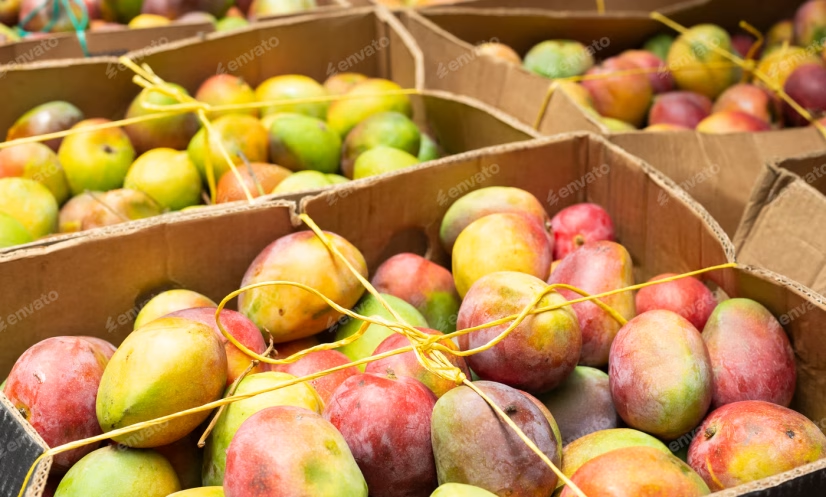
Nepal has imposed restrictions on the import of Indian mangoes after quarantine inspectors found pesticide residues exceeding permitted limits in consignments entering the country.
The restrictions, introduced by Nepal’s Ministry of Agriculture and Livestock Development, have reportedly been in effect since April and May.
The move comes as another setback for Indian mango exports, following Japan’s recent restrictions on several popular Indian mango varieties over concerns related to treatment and inspection procedures.
Nepali authorities said the measure is intended to improve food safety while boosting domestic fruit production. Officials believe the restrictions will encourage greater consumption of locally grown mangoes and provide additional support to domestic farmers during the harvest season.
According to government representatives, the decision is expected to strengthen the local fruit industry while ensuring consumers have access to produce considered safer and healthier.
However, fruit traders have voiced concerns over the impact of the restrictions on the market. Although Nepal produces and exports mangoes, domestic production is insufficient to meet demand throughout the year, with the local harvest lasting only about two months.
Traders warned that limiting imports could lead to supply shortages, higher prices for consumers and financial losses for businesses involved in cross-border fruit trade. They argued that strengthening inspection and quarantine measures would be a more effective solution than imposing broad restrictions on Indian mango imports.