Play store

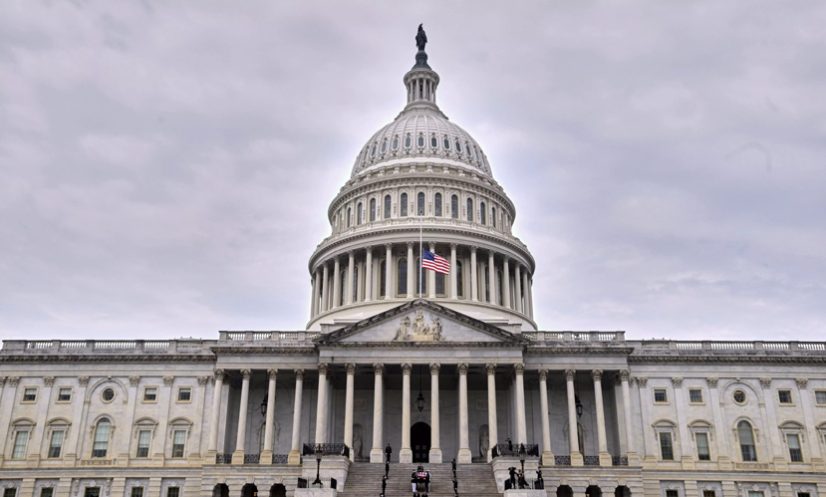
The United States has introduced stricter immigration processing rules, allowing officials to deny incomplete or insufficiently documented applications for visas, green cards and other immigration benefits without first requesting additional evidence.
In a statement, the US Citizenship and Immigration Services (USCIS) said applicants must establish their eligibility and submit all required supporting documents at the time of filing.
Under the updated policy, USCIS officers may deny an application immediately if it fails to demonstrate eligibility or does not include the required initial evidence. In such cases, officers are no longer required to issue a Request for Evidence (RFE) or a Notice of Intent to Deny (NOID) before making a decision.
The agency said its application forms and filing instructions clearly outline the documentation needed for each immigration benefit, enabling applicants to submit complete applications from the outset.
USCIS said the policy is consistent with the long-standing regulatory authority of the Department of Homeland Security (DHS) and is intended to strengthen the integrity of the US immigration system.
According to the agency, the change is also aimed at discouraging frivolous or incomplete benefit requests while improving the efficiency of application processing.
The new policy places greater responsibility on applicants to ensure their submissions are complete and properly documented before filing, as missing information or evidence could now result in an immediate denial rather than an opportunity to provide additional documentation later.