Play store

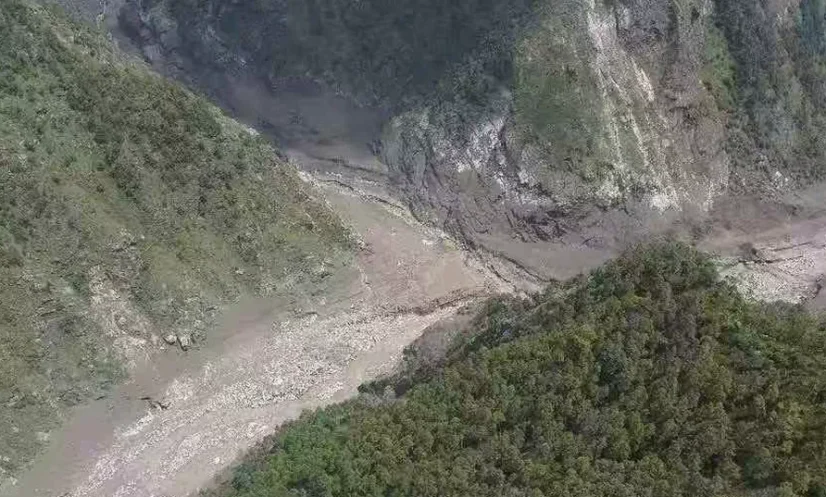
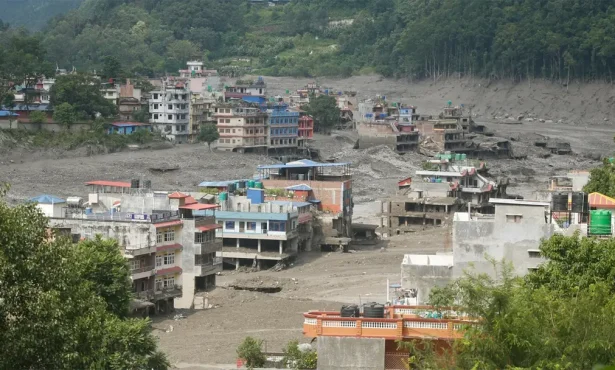
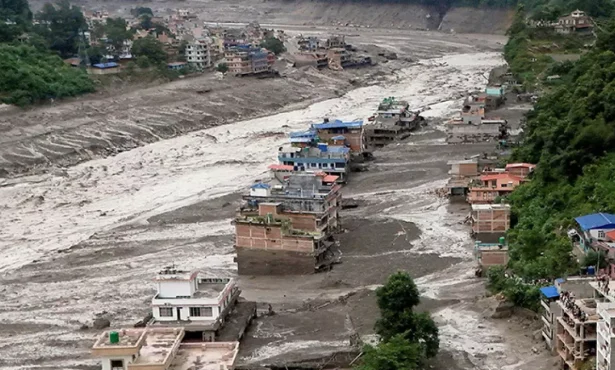
The deadly flash flood that swept through parts of Nepal on Wednesday is believed to have been triggered by the collapse of a massive section of a glacier, highlighting growing concerns over increasingly unstable mountain environments in the warming Himalayas.
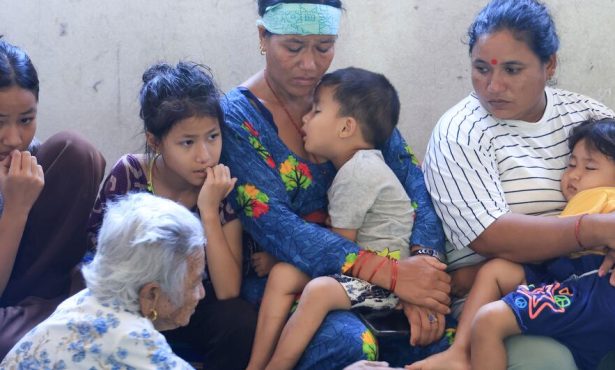
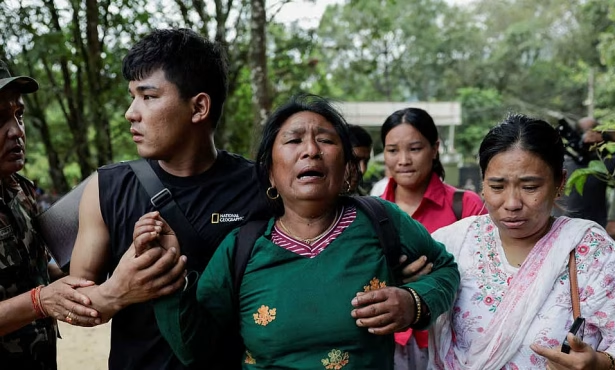
Scientists are still examining satellite imagery and ground data to determine the exact sequence of events. The disaster killed hundreds of people and left many others missing, including foreign nationals and pilgrims.
The US Geological Survey identified the event as a magnitude-5.2 glacier collapse, in which a huge mass of ice, rock and debris rushed downstream with devastating force.
Jakob Steiner, a geoscientist at Austria’s University of Graz, said satellite imagery suggested that a large lower section of the glacier had broken away and fallen.
Preliminary findings indicate that the collapse sent ice and rock into the Lhende Khola, a tributary of the Bhote Koshi River, triggering a powerful debris flow.
Scientists are also investigating whether the falling debris temporarily blocked the river, allowing water to build up before the blockage suddenly gave way and unleashed a destructive surge downstream.
Researchers said water levels in some rivers rose by as much as nine metres within just 30 minutes, leaving communities with little time to escape.
While experts have cautioned against directly attributing the disaster to climate change, they say rising temperatures are rapidly transforming the Hindu Kush Himalaya and increasing the risk of glacier-related hazards.
The region contains more than 63,000 glaciers and feeds at least 10 major Asian river systems, supporting the food, water and energy needs of billions of people.
ICIMOD research shows that glacier melt has accelerated sharply, with ice-loss rates doubling since 2000.
As glaciers retreat, glacial lakes can expand, while exposed mountain slopes become increasingly vulnerable to rainfall, warmer temperatures and repeated freezing and thawing.
Experts warn that a single glacier collapse can trigger a deadly chain reaction involving avalanches, debris flows, river blockages and flash floods.
The latest disaster has also renewed calls for stronger monitoring and early warning systems across the Himalayas. Steiner noted that about 10% of Nepal’s power generation capacity is located in the affected valley, highlighting the threat to critical infrastructure.
With more than a million tourists visiting Nepal annually in recent years, experts said improved warning systems are essential to protect both local communities and visitors.
However, monitoring thousands of glaciers, unstable slopes and remote river valleys remains a major challenge.
Experts stressed that authorities may have only minutes to respond once a chain of mountain hazards begins. They called for stronger regional cooperation, better monitoring and faster information sharing as climate change continues to make the Himalayan environment increasingly unstable.