Play store

Iran is set to bury its slain Supreme Leader Ali Khamenei in his hometown of Mashhad on Thursday, as fresh US airstrikes and Iranian retaliation fuel fears of a renewed escalation in the Middle East.
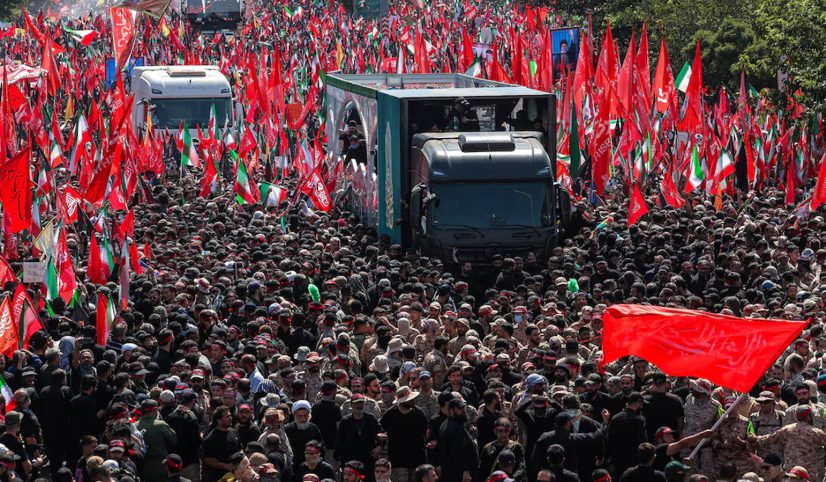
Khamenei’s burial follows several days of funeral ceremonies attended by millions of mourners across Iran and Iraq.
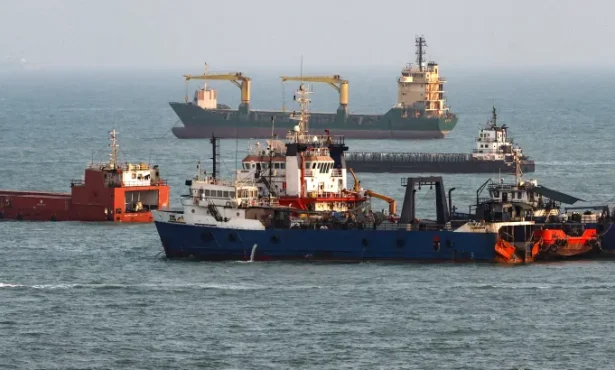
The funeral comes as the United States launched a new wave of airstrikes on Iranian targets in response to attacks on commercial shipping in the strategically vital Strait of Hormuz.
US President Donald Trump warned that Iran would face “much worse” if it continued targeting vessels in the waterway, after earlier declaring that the US-Iran ceasefire was effectively over.
Khamenei was killed on February 28, the opening day of the US-Israeli military campaign against Iran.
Following funeral processions through the holy Iraqi cities of Najaf and Karbala on Wednesday, his remains were returned to Iran for burial in Mashhad.
Attention has also focused on Khamenei’s son and designated successor, Mojtaba Khamenei, who has not appeared in public since the attack that reportedly killed his father and is said to have been injured in the same strike.
Mashhad Governor Hassan Hosseini said authorities expected around 15 million mourners to attend the funeral.
The burial ceremony, originally scheduled for early Thursday morning, was postponed until the afternoon after funeral events in Iraq ran longer than expected.
According to Iran’s official IRNA news agency, Khamenei will be laid to rest at the Shrine of Imam Reza, Iran’s holiest Shia shrine and the resting place of the eighth Shia Imam.
His chief of staff, Mohammad Mohammadi-Golpaygani, previously said Khamenei had personally expressed a wish to be buried in Mashhad.
The shrine has also become the burial place of several prominent Iranian figures over the centuries, including former President Ebrahim Raisi and several former Iranian monarchs.
Iranian authorities have portrayed the nationwide funeral ceremonies as a demonstration of national unity and resilience following weeks of conflict and months of domestic political tensions.
Khamenei, who led Iran for nearly 37 years after assuming office in 1989, was killed at the age of 86 alongside several members of his family and senior officials.
Meanwhile, the fragile ceasefire between Iran and the United States appeared increasingly uncertain after US Central Command said its latest strikes were aimed at degrading Iran’s ability to threaten freedom of navigation in the Strait of Hormuz.
The strikes followed recent Iranian attacks on commercial vessels in the waterway, while Tehran said it had also targeted US military bases in Bahrain and Kuwait.
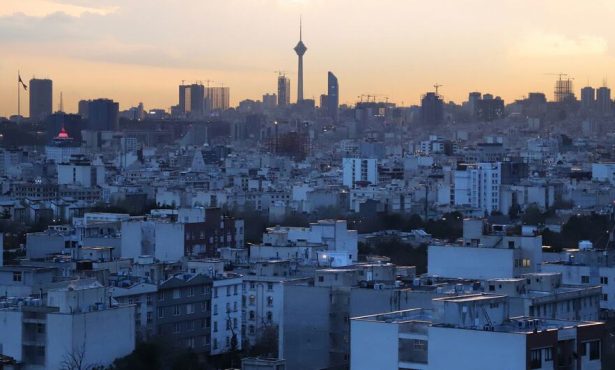
Before arriving in Mashhad, Khamenei’s remains were taken from Tehran to the religious city of Qom and then to Iraq for public mourning ceremonies before returning to Iran for burial.
According to Iranian media, he will be buried alongside several family members who were also killed in the February 28 strikes, including his infant granddaughter, daughter, son-in-law and Zahra Haddad Adel, the wife of Mojtaba Khamenei.