Play store

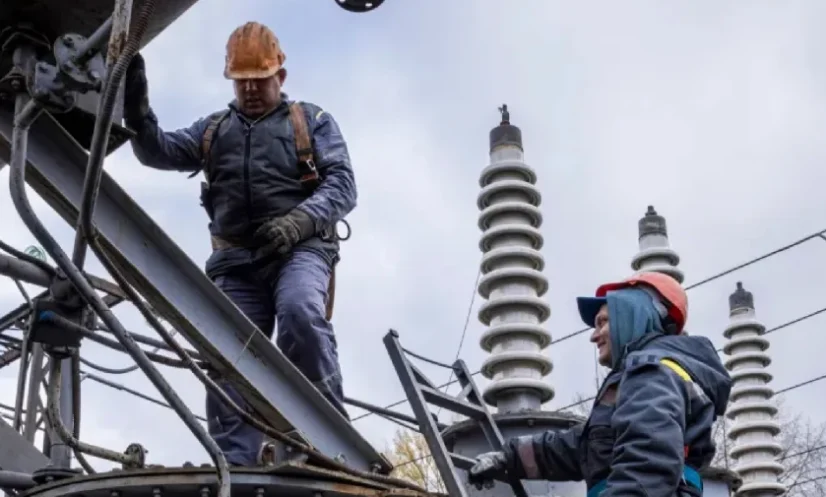
Russian attacks on Ukraine’s energy infrastructure have pushed the country’s electricity supply system to the brink of crisis, leaving millions of people facing prolonged power cuts as winter approaches.
In Kyiv and other parts of the country, electricity is being unavailable for long periods every day, disrupting heating, water supplies and daily life. Officials fear that life could become increasingly difficult for millions unless electricity can be supplied for at least four hours a day, the BBC reported.
Darina Kulchytska, a resident of a seven-storey apartment building in Kyiv who lives with her two children, has had to organise her daily routine around an unpredictable electricity schedule.
Power cuts shut down lights, internet connections and water supplies, as electricity is needed to pump water to the upper floors of the building.
She said her household had received only four to five hours of electricity a day in recent days. Sometimes power remains available for two hours before being cut off for another eight hours.
Russian attacks on Ukraine’s energy infrastructure have intensified since October, prompting authorities to introduce rolling power cuts. Ukraine has responded with attacks on Russian oil refineries.
Some families in Kyiv have been left without electricity for as long as 20 hours a day.
When the power went out at around 7:30pm one evening, Darina and her children were left in darkness. The lift stopped working and the water supply was interrupted. They spent the evening playing cards by torchlight and LED candles.
Major power plant severely damaged
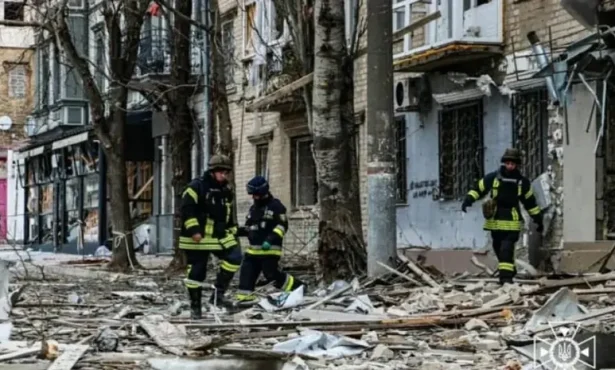
Kyiv has been among the worst-affected areas. Electricity shortages have occasionally disrupted metro and trolleybus services, while millions of people across Ukraine have experienced power outages in recent weeks.
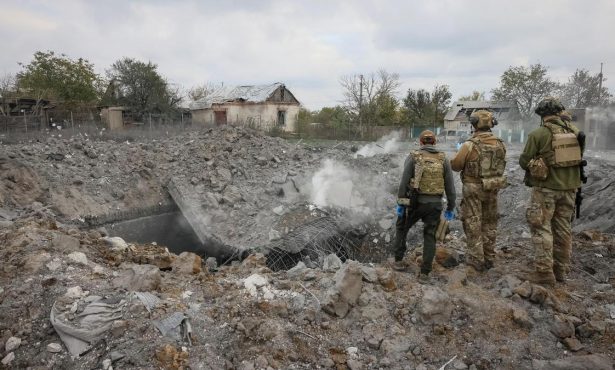
One of Ukraine’s largest power plants has been almost destroyed by a Russian ballistic missile strike. The facility’s name has been withheld for security reasons.
Turbines are buried beneath rubble, while pipes and other equipment have been damaged, bringing the plant’s electricity generation to a complete halt.
Volodymyr Kovalenko, who has worked at the facility for 25 years, was on duty in the control room when the attack took place at around 3am. He described it as the most devastating incident he had experienced.
Reconstruction work is also being hampered by repeated air raid alerts. Warning sirens sound every 15 to 30 minutes, forcing workers to stop repairs and seek shelter. During a four-hour inspection, alerts were issued seven times.
Winter repairs face major challenges
Ukrainian President Volodymyr Zelenskyy has said the country still has sufficient generating capacity to meet electricity demand. The main problem is that damaged power lines and substations are preventing electricity from reaching homes and businesses.
Russia is also using specialised drones that hide near electricity poles and cables, making them difficult to detect before they explode.
Maxim Timchenko, chief executive of DTEK, Ukraine’s largest private energy company, said the intensity of Russian attacks and the destructive power of the weapons used had increased compared with last year.
He warned that rebuilding damaged power plants could take until next summer. The threat of further attacks means repair crews can work effectively for only one or two hours a day.
Meanwhile, many Kyiv residents are considering leaving the capital before temperatures drop further.
Darina is also thinking about moving somewhere safer and warmer with her children but is reluctant to leave relatives and friends behind.
The psychological strain of living without electricity is taking its toll on her family, with her daughter experiencing nightmares during sleep.
Despite the difficulties, Darina said Ukrainians did not want to live without electricity. However, many would rather endure power cuts than live under Russian control.
Although they are afraid, she said, they do not want to surrender to Russia.