Play store

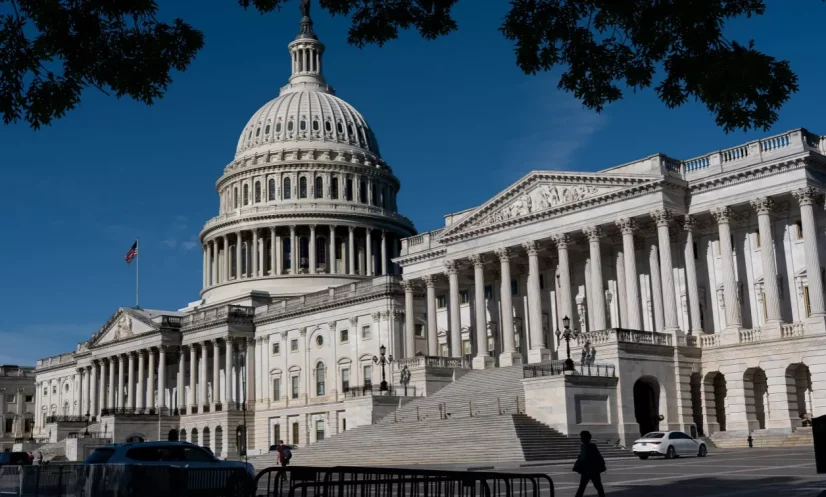
The US House of Representatives has passed a bill to make daylight saving time permanent, potentially ending the long-standing practice of changing clocks twice a year.
The legislation, known as the Sunshine Protection Act, was approved on Tuesday by a 308–117 vote. It now moves to the Senate, where its fate remains uncertain. If approved, it will require the signature of Donald Trump to become law.
Currently, most parts of the United States observe daylight saving time from spring to fall, shifting clocks forward by one hour. The proposed law would make that schedule permanent, although states could opt out if they act before implementation.
Supporters, including the White House, say the move would offer longer daylight hours in the evening—when most people are active—boosting outdoor activities and local economies.
Republican Congressman Gus Bilirakis said Americans are ready to “ditch the switch,” arguing that biannual clock changes disrupt daily life.
He added that in tourism-driven states like Florida, more predictable daylight hours would benefit workers, businesses and visitors alike.
However, critics warn that permanent daylight saving time could bring darker winter mornings, raising safety concerns for schoolchildren and commuters.
Democratic Congresswoman Mary Gay Scanlon cautioned that many Americans would start their day in near-total darkness during winter months.
Meanwhile, Jim McGovern expressed support for the proposal but questioned its urgency, noting that many Americans are grappling with rising living costs.
Public opinion appears divided. A 2025 survey by the Associated Press-NORC Center found that 56% of Americans favour permanent daylight saving time, while about 40% prefer standard time year-round.
The debate over daylight saving time dates back decades, having first been introduced in 1942 during wartime.
A similar bill previously passed the Senate but failed to advance in the House, leaving the issue unresolved—until now.